Expert analysis of Dmitry Levitzky’s Portrait of G. K. Levitzky, Artist s Father
Style: Rococo · Genre: portrait
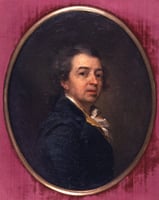
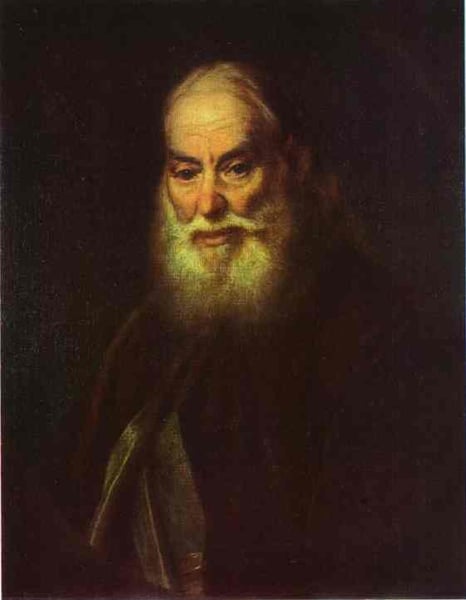
This portrait holds a unique place in the Rococo portrait tradition for its deeply personal subject matter and its quiet departure from the style’s typical aristocratic frivolity. Dmitry Levitzky, the most celebrated Russian portraitist of the 18th century, here immortalizes his own father, Grigory Kirillovich Levitzky, who was also a painter and engraver.
Significance within the Rococo Style:
While Rococo portraiture often emphasized decorative elegance, playful sensuality, and the status of sitters in powdered wigs and lavish silks, Levitzky’s work subverts these conventions. The painting is intimate rather than ostentatious. The father is depicted with a restrained dignity and a direct, contemplative gaze that suggests wisdom and creative introspection rather than courtly display. The soft, fluid brushwork and warm, muted palette are hallmarks of Rococo refinement, but they serve here to humanize the subject rather than to elevate him into a decorative ideal.
Artistic and Historical Significance:
- Personal narrative: This is one of the few major Rococo portraits of an artist by his son, offering a rare glimpse into the familial and artistic lineage that shaped Levitzky’s own celebrated career. The father, Grigory Levitzky, was a Ukrainian icon painter and engraver, grounding Dmitry in a tradition of devotional and folk imagery that he later transformed into high Rococo court portraiture.
- Psychological depth: Levitzky captures the elder artist’s age and experience—his weathered face, thoughtful expression, and simple attire—with a naturalism that contrasts with the idealized, often young and glamorous sitters typical of the era. This shift toward sincerity and individuality foreshadows the later Neoclassical interest in moral character and the Enlightenment’s celebration of the artist as a thoughtful creator.
- Technical mastery: The subtle modeling of the face, the careful rendering of light on the father’s wrinkled skin, and the controlled yet lively brushwork demonstrate Levitzky’s ability to adapt Rococo’s decorative charm to a sober, respectful homage.
In essence, this portrait is significant because it marries the Rococo aesthetic with genuine filial affection and a proto-Realist attention to the subject’s inner life, marking a personal and stylistic milestone within 18th-century Russian portraiture.
Museum / Gallery
Visually similar
20 works with related composition and palette
Portrait of An Elderly Bearded Man Head and Shoulders
Tintoretto
St Jerome
Tintoretto
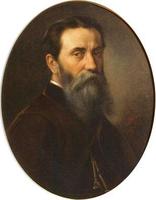
Self-Portrait
Gheorghe Tattarescu
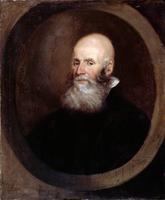
Head of a Bearded Man
John Greenhill
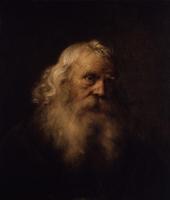
Head of an Old Man
Jan Lievens
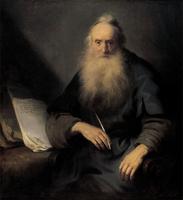
St. Paul writing to the Thessalonians
Jan Lievens
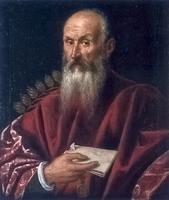
Portrait of a Doge
Tintoretto
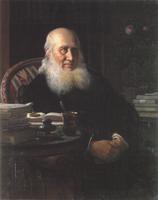
Portrait of N.F.S. Grundtvig
Wilhelm Marstrand
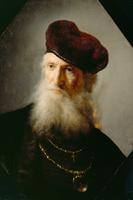
Bust of a Bearded Old Man
Rembrandt
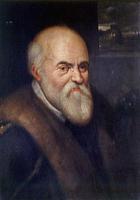
Italian scientist Ulisse Aldrovandi
Agostino Carracci
Portrait of Jacopo Sansovino
Tintoretto
Portrait of Charles Gounod
Carolus-Duran
Portrait of a Man
Tintoretto
Portrait of the sculptor Jacopo Sansovino
Tintoretto
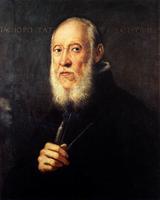
Portrait of Jacopo Sansovino
Tintoretto
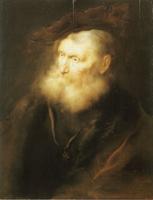
An Old Man
Salomon Koninck
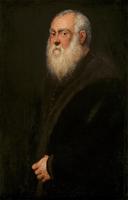
Portrait of a White Bearded Man
Tintoretto
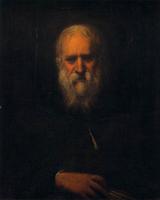
Self Portrait with a Book
Tintoretto
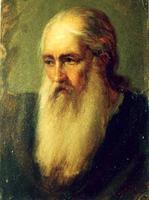
Old Monk
Gheorghe Tattarescu
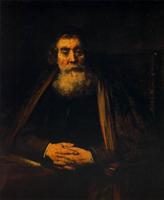
Portrait of an Old Man
Rembrandt