Analisi esperta di Nuthatch di Ohara Koson
Stile: Shin-hanga · Genere: bird-and-flower painting
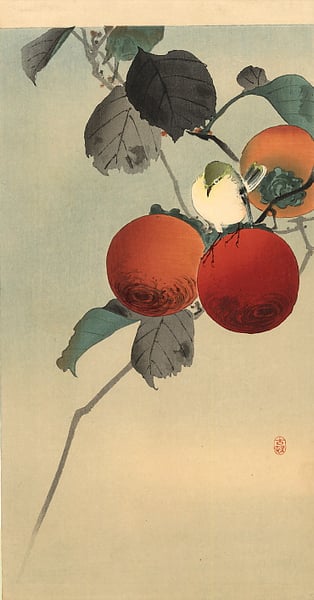
Expert Analysis: "Nuthatch" by Ohara Koson
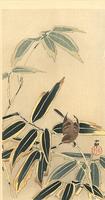
Ohara Koson’s Nuthatch is a masterful example of shin-hanga (“new prints”) and specifically of the kachō-e (bird-and-flower) genre, a tradition that Koson helped revitalize in early 20th-century Japan. The work’s significance lies in its seamless fusion of meticulous naturalistic observation with the refined decorative sensibility of classical ukiyo-e, updated through the technical innovations of shin-hanga.
Koson’s treatment of the nuthatch—likely the Eurasian or Japanese variant—demonstrates his deep study of avian anatomy and behavior. The bird is rendered with precise, soft brushwork and subtle gradations of color, capturing the delicate texture of its feathers and the alert, poised stillness typical of the species. This naturalism is heightened by the compositional choice: the nuthatch is shown clinging to a vertical branch, a posture that feels both spontaneous and perfectly balanced within the picture plane.
The painting’s significance also stems from its shin-hanga context. Unlike earlier ukiyo-e, which often relied on bold outlines and flat color areas, Koson works with a softer, more atmospheric palette. The background is typically a muted, subtly gradated wash (often a pale sky or misty void), which isolates the bird and branch and lends a sense of quiet, contemplative space. This technique was influenced by Western watercolor and by the shin-hanga movement’s emphasis on emotional mood and nuanced light.
Moreover, Koson collaborated closely with skilled carvers and printers—notably the publisher Watanabe Shōzaburō—to achieve exceptional color registration and surface texture. In Nuthatch, the interplay of matte ink and subtle embossing (if present in the original print) would have enhanced the tactile realism of the bark and plumage.
Ultimately, Nuthatch is significant because it represents the shin-hanga ideal: a revitalization of traditional Japanese subject matter through modern printmaking techniques, without losing the poetry and intimacy of the kachō-e genre. Koson elevates a simple wild bird into an icon of serene naturalism, embodying the early 20th-century Japanese quest to harmonize indigenous aesthetic values with global artistic currents.
Visivamente simili
20 opere con composizione e palette affini
Sparrows and Camellias in the Snow
Hiroshige
Bird
Ding Yanyong
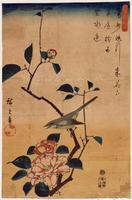
Camellia and Bush Warbler
Hiroshige
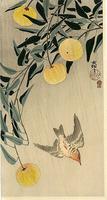
Cuckoo - Early Summer's Rain
Ohara Koson
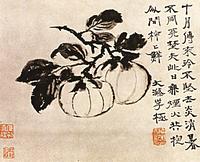
The Melons
Shitao
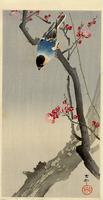
Bullfinch on Flowering Plum
Ohara Koson
Small Bird on a Branch of Kaidozakura
Hiroshige
Persimmon
Maki Haku
Songbird on plum blossom
Ohara Koson
Soshun (Early spring)
Okumura Togyu
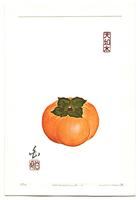
Kaki Z-4
Maki Haku
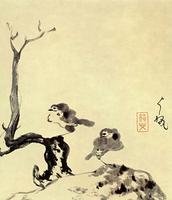
Two Birds
Bada Shanren
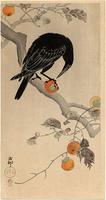
Crow eating a Persimmon
Ohara Koson
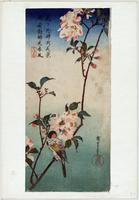
Small Bird on a Branch of Kaidozakura
Hiroshige
Swallow and begonia and strawberry pie
Katsushika Hokusai
Cherry blossom with birds
Ohara Koson
Wisteria Flowers and Small Bird
Hashimoto Kansetsu
Blue Bird and Magnolia
Ohara Koson
Wheatear and Bamboo
Ohara Koson
Untitled
Chang Dai-chien