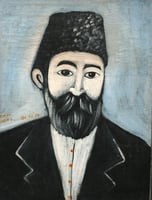
Analisi esperta di Dog di Niko Pirosmani
Stile: Naïve Art (Primitivism) · Genere: animal painting
Expert Analysis: "Dog" by Niko Pirosmani
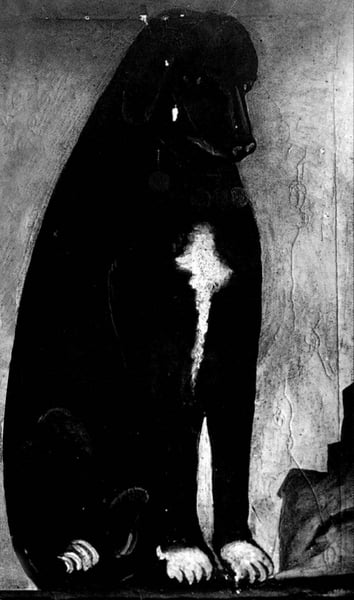
Niko Pirosmani’s Dog stands as a quintessential example of Naïve Art (Primitivism), a movement that deliberately rejects academic polish in favor of raw, intuitive expression. Painted in the early 20th century, this animal portrait embodies the artist’s singular vision—one that merges folk traditions with a profound emotional directness.
Significance within Naïve Art:
Pirosmani, a self-taught Georgian artist, worked outside established art institutions, creating works for local taverns and shop signs. His Dog is not a naturalistic study but a distilled essence of canine character. The animal is typically depicted frontally, with simplified forms, bold outlines, and a flat, unmodulated background—hallmarks of Primitivism. This approach strips away illusionistic depth, forcing the viewer to confront the subject’s presence and dignity. The dog’s large, dark eyes and slightly tilted head convey a quiet alertness, a moment of arrested attention that feels both universal and intimately observed.
Stylistic Characteristics:
Pirosmani often painted animals on black oilcloth or cheap board, using a limited palette of earthy tones—ochre, black, white, and deep browns. In Dog, the texture of the paint is visible, applied with a confident, unblended hand. There is no attempt at anatomical precision; instead, the dog’s silhouette is defined by simple curves and angular lines, evoking Georgian folk iconography or medieval frescoes. This lack of refinement is not a flaw but a deliberate choice, emphasizing sincerity over technical virtuosity.
Thematic Resonance:
Pirosmani’s animals—dogs, lions, deer, birds—occupy a world that is both real and mythic. His Dog is likely a stray or a working dog, a common sight in the rural life of Georgia, but Pirosmani elevates it to an emblem of loyalty and solitude. The painting’s flatness and frontal composition recall Byzantine icons, granting the animal a solemn, almost hieratic presence. This fusion of the everyday with the sacred is a defining trait of his work and of Primitivism’s ability to find profound beauty in the ordinary.
Legacy:
Pirosmani’s Dog exemplifies how Naïve Art can communicate emotion with startling clarity. His indifference to perspective, shadow, or anatomy strips painting down to its essential power: the ability to see and to feel. In the context of early 20th-century modernism, Pirosmani’s work resonated with artists like the Fauves and Expressionists, who sought to break free from naturalism. Today, Dog remains a touchstone for the unvarnished, heartfelt vision that defines Primitivism—a reminder that artistic genius can flourish outside the academy.
Visivamente simili
20 opere con composizione e palette affini
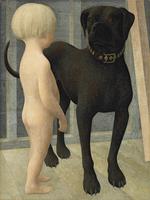
Child and Dog
Alex Colville
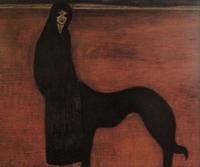
Young Woman and Dog
Leon Spilliaert
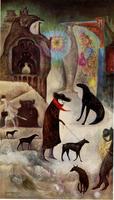
Around Wall Street or portrait of Pablo in NY
Leonora Carrington
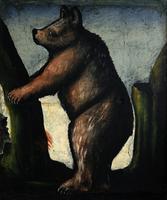
Bear cub
Niko Pirosmani
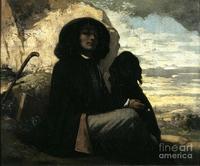
Self-Portrait with a Black Dog
Gustave Courbet
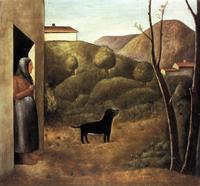
L'attesa
Carlo Carra
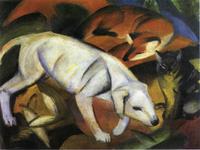
A Dog
Franz Marc
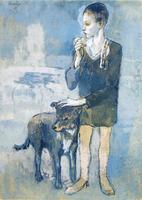
Boy with a Dog
Pablo Picasso
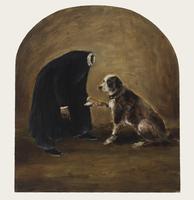
The Confession
Goran Djurovic
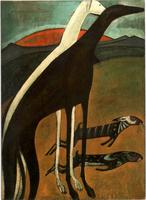
The Greyhounds
Amadeo de Souza-Cardoso
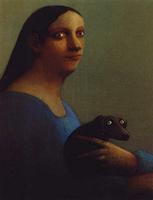
Herbert
Michael Sowa
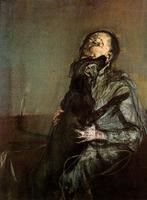
Man with dog
Alberto Sughi
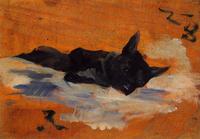
LIttle Dog
Henri de Toulouse-Lautrec
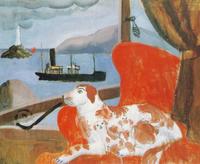
China dog in a St. Ives window
Christopher Wood
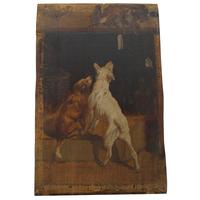
Dogs
William Henry Hamilton Trood
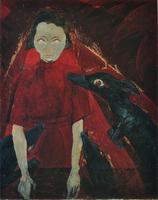
The Dreamer
Walter Gramatté
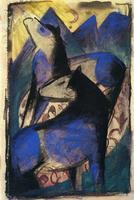
Two Blue Horses
Franz Marc
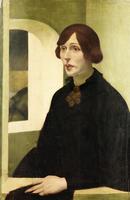
Portrait of Iren fon Radlov
Alexandre Jacovleff
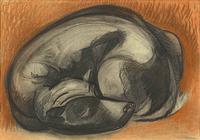
Sleeping Dog
Stanley Pinker
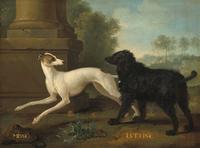
Missy and Luttine
Jean-Baptiste Oudry