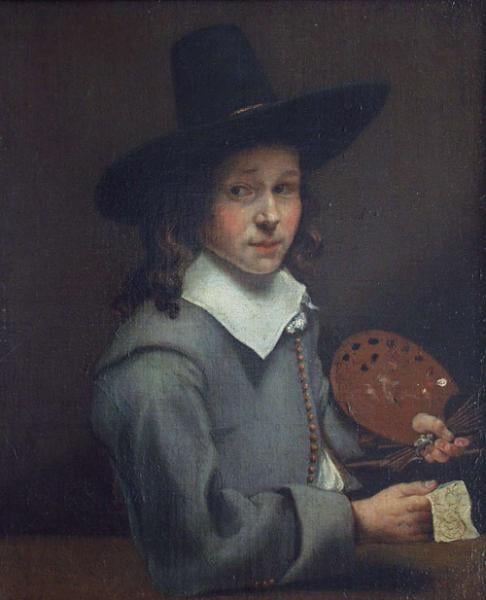
Self-Portrait as a Boy
Analyse experte de Self-Portrait as a Boy de Aelbert Cuyp
Style : Baroque · Genre : self-portrait
Expert Analysis: "Self-Portrait as a Boy" by Aelbert Cuyp
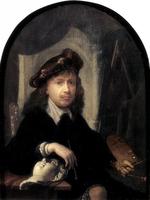
Aelbert Cuyp’s Self-Portrait as a Boy is a rare and revealing work within the Baroque period, distinguished by its intimate subject matter and the artist’s departure from his celebrated landscape genre. Painted during Cuyp’s youth—likely when he was still a student or early in his career—this self-portrait offers a direct glimpse into the artist’s self-fashioning, a practice that gained particular importance in Dutch Baroque art.
Baroque Significance:
The painting embodies key Baroque traits: a dramatic, focused illumination that models the young face with soft chiaroscuro, a direct engagement with the viewer through the subject’s gaze, and a psychological intensity that speaks to the era’s fascination with individual identity. Unlike the grand, theatrical self-portraits of many Italian or Flemish Baroque masters, Cuyp’s approach is restrained and naturalistic, typical of the northern Dutch Baroque, where intimacy and truth to life were prized over overt drama.
Genre and Self-Portraiture:
As a self-portrait, the work holds special significance. Cuyp chooses to depict himself as a boy, not as a mature artist—an unusual choice that may reflect a deliberate construction of youthful innocence or a personal meditation on beginnings. This emphasis on the artist’s own formative stage aligns with the Baroque interest in the interior self and the passage of time, tinged with a subtle melancholic or contemplative mood.
Artistic Legacy:
While Cuyp is best known for his luminous landscapes and tranquil river scenes, this self-portrait demonstrates his skill in capturing human likeness and emotion. Its modest scale and unpretentious treatment reveal the artist’s early command of light and texture, foreshadowing the golden, atmospheric effects that would define his mature landscapes. Within the context of Baroque art, Self-Portrait as a Boy stands as a personal, introspective counterpoint to the more extroverted works of the period, offering a rare key to understanding Cuyp’s artistic identity and the Dutch Baroque’s celebration of individual humanity.
Visuellement similaire
20 œuvres à la composition et à la palette proches
Portrait of a Gentleman with a Tall Hat and Gloves
Rembrandt
Portrait of Nicolas van Bambeeck
Rembrandt
Portrait of a Young Man with a Glove
Frans Hals
Bildnis eines Edelmanns
Anthonie Palamedesz.
Portrait d’homme à l’habit gris
Jacob Fransz. van der Merck
Portrait of a young man
Frans Hals
Portrait of a prelate
Sebastien Bourdon
Adriaen van Ostade
Frans Hals
Portrait of a Man
Frans Hals
Head of a Boy
Jan de Bray
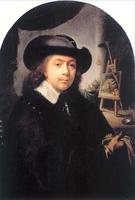
Portrait Of The Artist In His Studio
Gerrit Dou
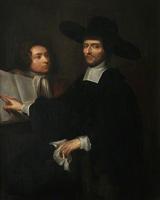
Richard Busby
John Riley
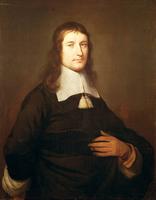
Self Portrait
Philippe de Champaigne
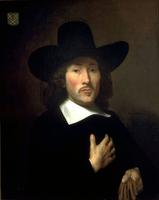
Portrait of a Man
Nicolaes Maes
John 'Crump' Dutton (1594–1656/1657), MP
Francis Cleyn
Portrait of a Man
Frans Hals
Portrait of Augustus Leopold Egg
Richard Dadd
A Young Man at a Table (possibly Govaert Flinck)
Rembrandt
Self Portrait
Gerrit Dou
Apolonius Veth
Cornelius Johnson