Analisi esperta di Dongo di Julius Bissier
Stile: Art Informel · Genere: abstract
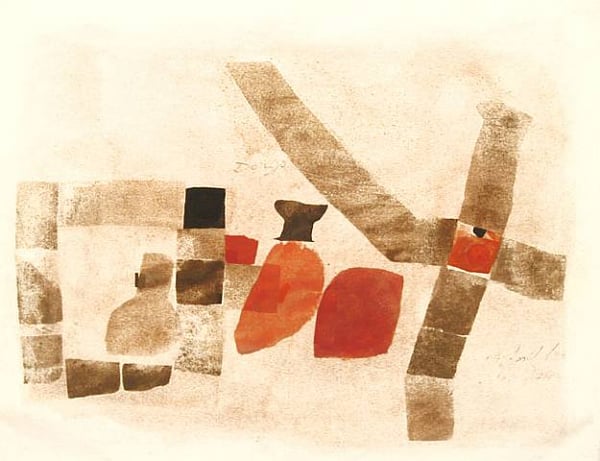
Analysis of "Dongo" by Julius Bissier
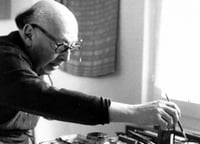
Julius Bissier’s Dongo stands as a compelling example of Art Informel, the European postwar movement that privileged spontaneity, gesture, and the rejection of formal composition. As an abstract work, it embodies the Informel ethos of “unformed” or informal expression, where the artist’s intuitive mark-making—often calligraphic or stained—takes precedence over representational or geometric order. Bissier’s practice frequently fused Eastern-inspired brushwork with a subdued, meditative palette, and Dongo likely reflects this cross-cultural synthesis.
The significance of Dongo within Art Informel lies in its ability to distill emotional and spiritual resonance through minimal, non-representational means. Unlike the aggressive energy of some Informel contemporaries (e.g., Wols or Dubuffet), Bissier’s abstraction leans toward the lyrical and the gestural—suggesting an intimate dialogue between the artist’s hand and the surface. This work underscores how Art Informel could embrace quiet, almost calligraphic restraint while still adhering to the movement’s core principle of unfettered creative impulse. By channeling this balance, Dongo exemplifies Bissier’s unique contribution to the style: a refined, poetic abstraction that remains perpetually open to interpretation.
Visivamente simili
20 opere con composizione e palette affini
Composição
Rodrigo Gontijo
Untitled
Charlotte Posenenske
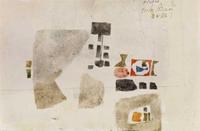
Komposition
Julius Bissier
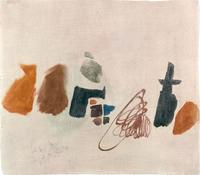
3.9.56 II
Julius Bissier
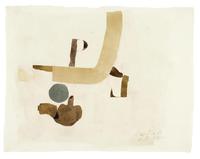
29.5.64
Julius Bissier
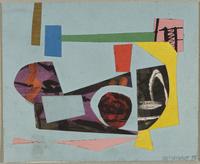
Study for a Painting
Ad Reinhardt
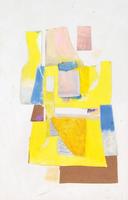
Sem título
Menez
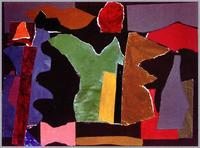
Application
Karlo Zvirynsky
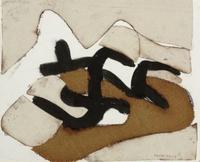
Untitled
Conrad Marca-Relli
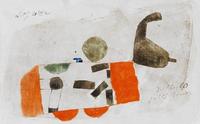
Komposition (3. März 60)
Julius Bissier
Wine, Women and Song
Will Barnet
Collage
Andre-Pierre Arnal
Heiter
Fritz Winter
F-S-6-59
Conrad Marca-Relli
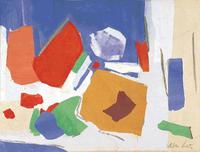
Untitled
Esteban Vicente
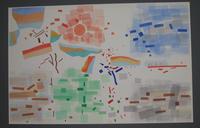
Composition
Hryhorii Havrylenko
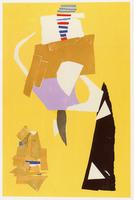
Diary of a Madman - 39
Andre Lanskoy
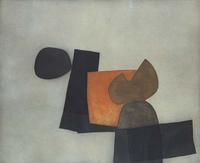
Feticcio
Afro
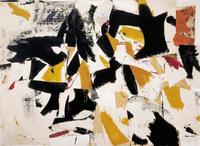
Pamplona
Conrad Marca-Relli
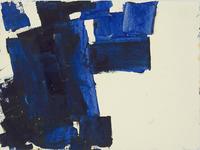
Untitled
Charlotte Posenenske