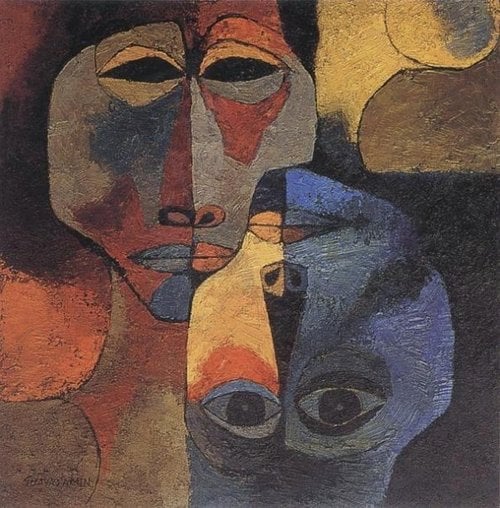
La Edad de La Ternura
Expert analysis of Oswaldo Guayasamin’s La Edad de La Ternura
Style: Expressionism · Genre: portrait
Expert Analysis: "La Edad de La Ternura" by Oswaldo Guayasamín
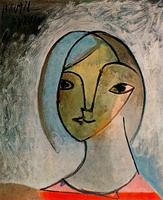
As an Expressionist portrait, Oswaldo Guayasamín's "La Edad de La Ternura" (The Age of Tenderness) achieves its significance by transforming the traditional genre of portraiture into a vehicle for raw emotional and psychological intensity. While the supplied facts limit us to the title, artist, style, and genre, we can still assess its importance within the Expressionist movement and within Guayasamín's broader oeuvre.
Significance Within Expressionism:
-
Emotional Priority Over Realism: True to Expressionism, this work likely distorts anatomical features, exaggerates proportions, and employs a dissonant, emotionally charged color palette. The portrait does not seek to capture a literal likeness but instead to externalize an inner state—tenderness itself—as a universal human emotion. This makes the painting a paradigm of the Expressionist goal: to transmit subjective feeling directly to the viewer.
-
Thematic Focus on Humanity: Guayasamín is renowned for his series La Edad de la Ira (The Age of Wrath) and La Edad de la Ternura, which explore the extremes of human experience. Within this specific portrait, tenderness is not sentimentalized but presented with the same visceral urgency as sorrow or rage. This juxtaposition of gentleness with the artist's signature angular, almost brutalist forms creates a powerful tension, elevating the portrait beyond mere likeness to a commentary on the fragility and depth of human connection.
Significance as a Portrait:
-
Psychological Depth: In the Expressionist portrait tradition, inner truth overrides external appearance. "La Edad de La Ternura" likely isolates the sitter's face or hands—the primary carriers of emotion—and distills them into a stark, almost iconic image. The result is a portrait that feels both intimate and universal, a face that could belong to any mother, child, or beloved figure, yet remains unmistakably Guayasamín's in its raw, painterly honesty.
-
Cultural and Political Resonance: Guayasamín's work frequently addressed the suffering and resilience of Latin American peoples. By titling this portrait "The Age of Tenderness," the artist affirms that even in a world marked by injustice and pain, gentleness remains a defining, potent human force. This imbues the portrait with a quiet but profound social significance—tenderness as an act of resistance and empathy.
In summary, "La Edad de La Ternura" is significant as a masterful Expressionist portrait because it harnesses the movement's formal distortions and emotional urgency to elevate a simple, affectionate moment into a timeless statement on the human condition. Its power lies not in decorative harmony, but in the unflinching honesty with which it renders the most delicate of feelings.
Genre
Style
Visually similar
20 works with related composition and palette
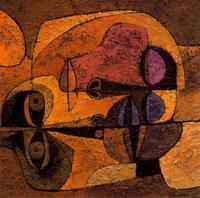
Dos Cabezas
Oswaldo Guayasamin
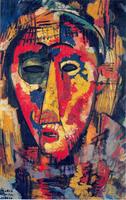
Green Eye Mask
Amadeo de Souza-Cardoso
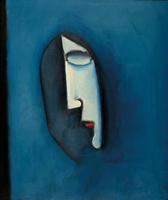
Face
Charles Blackman
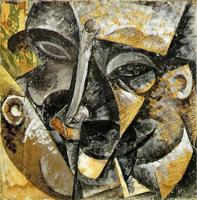
Dynamism of a man's head
Umberto Boccioni
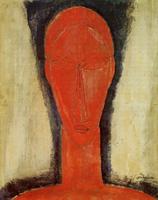
Study of a Head
Amedeo Modigliani
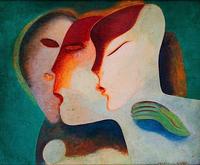
Heads and Hands
Marcelle Cahn
Woman with cap
Pablo Picasso
Mystischer Kopf: Frauenkopf auf blauem Grund
Alexej von Jawlensky
Detektiv
Josef Capek
Avetisian 473
Armen Avetisyan
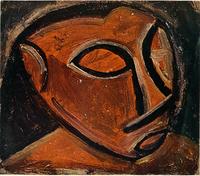
Head of a man
Pablo Picasso
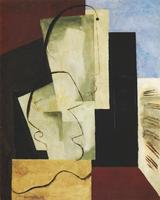
Concert
Louis Marcoussis
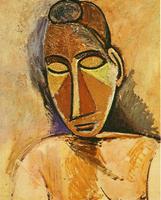
Nude (Bust)
Pablo Picasso
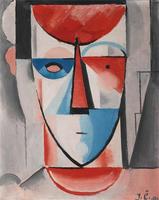
Hlava
Josef Capek
Face. Altai
Volodymyr Loboda
Philosopher
Minas Avetisyan
Portrait of woman
Pablo Picasso

Nanã
André Merez
Primitive heads
Constant Permeke
Bust of woman
Pablo Picasso