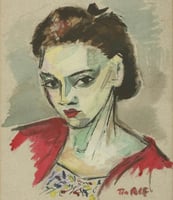
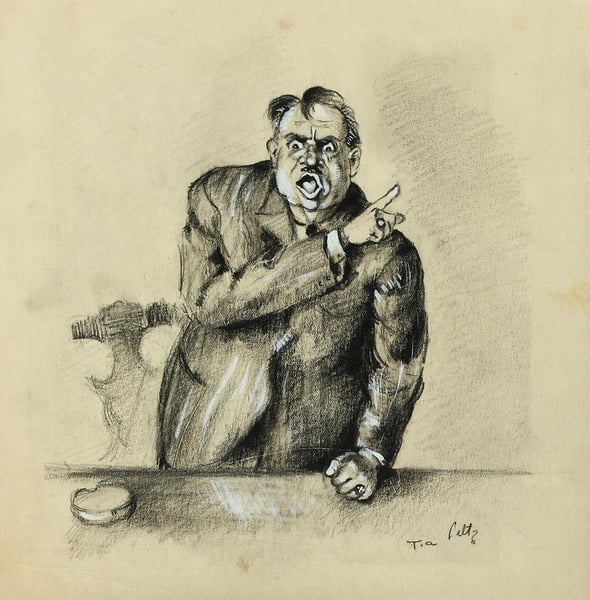
Analisi esperta di The Pleading di Tia Peltz
Stile: Expressionism · Genere: genre painting
Expert Analysis: “The Pleading” by Tia Peltz
Style: Expressionism | Genre: Genre Painting
In “The Pleading,” Tia Peltz masterfully fuses the raw emotional immediacy of Expressionism with the intimate narrative traditions of genre painting—a combination that makes the work a significant contribution to early 21st-century figurative expressionism. Where conventional genre scenes often present everyday life with detached observation, Peltz injects a visceral, psychological urgency that transforms a simple, domestic exchange into a universal metaphor for vulnerability and desire.
Emotional Intensity Through Distortion
The work’s power lies in its deliberate departure from naturalistic representation. Figures are elongated, their features compressed or exaggerated—the supplicant’s outstretched hands become the focal point, almost skeletal in their reach, while the facial expression is reduced to a stark, pleading mask of wide eyes and an open mouth. This distortion is not decorative; it channels the internal state of desperation, making the viewer feel the subject’s emotional weight rather than simply observe it. In this, Peltz aligns with the classic Expressionist ethos of conveying inner truth over outward appearance.
Color as Psychological Atmosphere
Peltz employs a deliberately discordant palette: muddy ochres and deep violets dominate the background, while the pleading figure’s skin is painted in unnerving, feverish reds and yellows. Such tonal dissonance creates a sensation of unease and heightened drama—the color itself becomes a character, suggesting the emotional temperature of the moment. This use of color to express a non-narrative emotional state is a hallmark of the mature Expressionist period, reminiscent of Edvard Munch’s “The Scream,” yet grounded in the domestic setting of genre painting.
Significance: Bridging the Ordinary and the Existential
What makes “The Pleading” particularly significant within both its style and genre is how it elevates a mundane pleading—perhaps for forgiveness, assistance, or connection—into a timeless, almost archetypal human condition. By applying Expressionist methods to a genre scene, Peltz challenges the traditional boundary between the everyday and the monumental. The work argues that the most profound dramas are not reserved for myth or history, but unfold in intimate, quiet moments. In doing so, it revitalizes genre painting for a contemporary audience, proving that Expressionism’s search for raw emotion remains powerfully relevant when anchored in recognizably human experiences.
Visivamente simili
20 opere con composizione e palette affini
Mihály Károlyi
Bertalan Por
Bethmann Hollweg
Max Liebermann
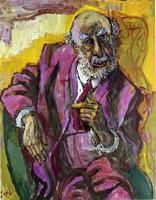
Fritz Perls
Otto Dix
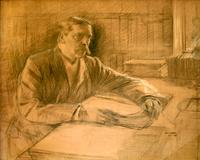
Viktor Rydberg
Albert Edelfelt
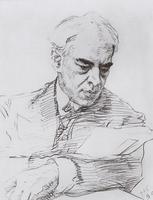
Portrait of Konstantin Stanislavski
Valentin Serov
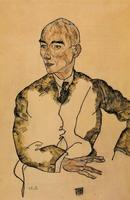
Portrait of Dr. Viktor Ritter von Bauer
Egon Schiele
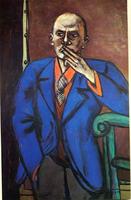
Self-Portrait in Blue Jacket
Max Beckmann
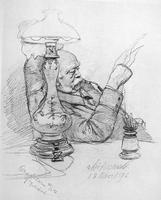
Portrait of Otto von Bismarck
Christian Wilhelm Allers
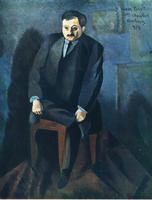
Portrait of Adolphe Basler
Moise Kisling
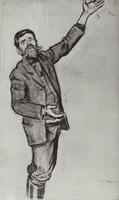
Agitator (Man with arm raised)
Boris Kustodiev
Aldous Huxley
Vanessa Bell
Portrait of K.S. Petrov-Vodkin
Boris Kustodiev
Portrait of A.S. Neverov
Boris Kustodiev
Edward Sackville West
Graham Sutherland
The Toast
Anders Zorn
Charles Gounod
Louise Abbéma
Somerset Maugham
Graham Sutherland
Lucjan Rydel
Stanisław Wyspiański
Portrait Of The Artis Lawrence Alexander Harrison
Giovanni Boldini
Portrait of Korney Chukovsky
Igor Grabar