Expert analysis of Edward Corbett’s White Provincetown
Style: Abstract Expressionism · Genre: abstract
Expert Analysis of Edward Corbett's "White Provincetown"
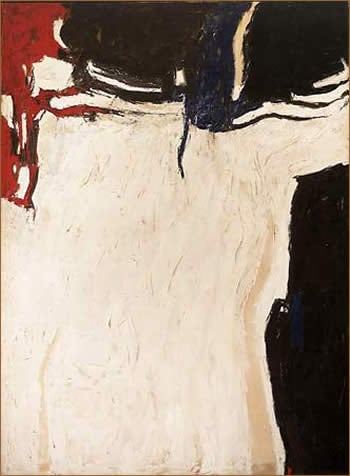
Edward Corbett’s White Provincetown occupies a distinctive place within Abstract Expressionism. While the movement is often associated with dramatic gesture and explosive color, Corbett’s work exemplifies a quieter, more meditative vein—sometimes called "lyrical abstraction" or a precursor to Color Field painting. The title anchors the piece to Provincetown, Massachusetts, a historic artist colony that fostered a more intimate, landscape-infused abstraction.
The significance lies in Corbett’s radical restraint. By focusing on white, he shifts attention from overt action to subtle tonal shifts, surface texture, and the play of light. This approach aligns with Abstract Expressionism’s core goal of conveying emotion directly through form, yet it replaces the bombast of painters like Pollock with a hushed, atmospheric sensibility. White Provincetown reflects how the movement could absorb the coastal light and quiet geometry of its locale, making the abstract deeply personal and place-specific. In doing so, it expands the expressive range of the period, proving that Abstract Expressionism’s power need not be loud—it can also be found in luminous stillness.
Genre
Visually similar
20 works with related composition and palette
Brake III
Jack Tworkov
Untitled (14B)
Mark Rothko
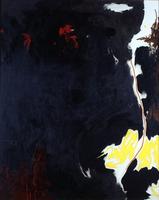
Untitled
Clyfford Still
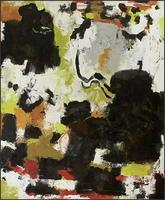
1 January 1949
Frank Lobdell
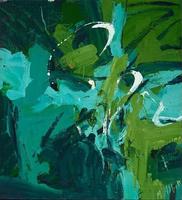
All Green
Mary Abbott
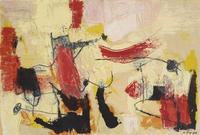
Il pendolo
Afro
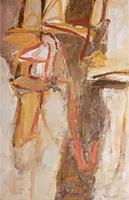
Après la pluie
Albert Bitran
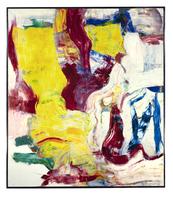
Untitled I
Willem de Kooning
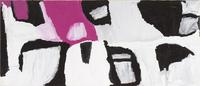
Ninjilki
Sally Gabori

Untitled
Luis Feito
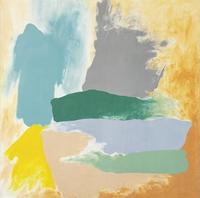
Renewal
Friedel Dzubas

Chock Full O' Nuts
Mark Lancaster
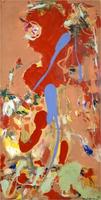
Aquatic Garden
Hans Hofmann
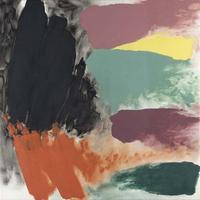
Brimrock
Friedel Dzubas
Untitled
Edward Corbett
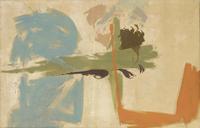
Sacrifice
Friedel Dzubas
Cominezo com magenta
Jose Guerrero
Red earth
Roger Raveel
Arrachement
Andre-Pierre Arnal
Dibirdibi Country
Sally Gabori