Analisi esperta di Chinese Cabbage and Crickets di Ding Yanyong
Stile: Ink and wash painting · Genere: animal painting
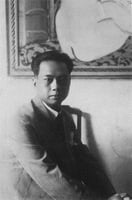
The artwork "Chinese Cabbage and Crickets" by Ding Yanyong is a striking example of how traditional ink-and-wash painting was revitalized in the 20th century through a fusion of Chinese literati conventions with modernist sensibilities. Ding Yanyong (1902–1978) was a pioneering figure in modern Chinese art, having studied in Japan and absorbed Western influences such as Fauvism and Post-Impressionism. He consistently sought to break free from rigid academicism, infusing classic subjects with spontaneous energy and expressive color.
Significance within style and period:
-
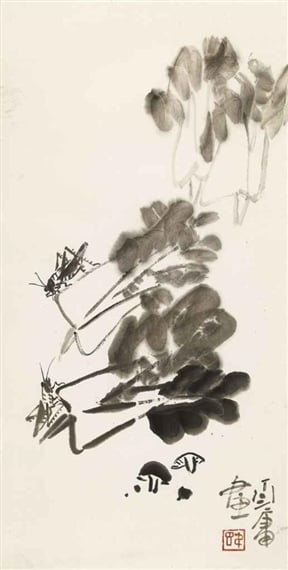
Subject and Symbolism: The pairing of a Chinese cabbage (a humble, everyday vegetable often associated with purity and simplicity) and crickets (insects emblematic of autumn, vitality, and even cricket-fighting culture) is quintessentially Chinese in its focus on small, lively creatures and natural forms. Ding elevates these mundane motifs into a meditation on life, seasonality, and spontaneity.
-
Brushwork and Ink Wash: Ding’s technique shows a masterful use of wet and dry brushstrokes. The cabbage leaves are rendered with bold, fluid washes that modulate between deep ink and pale tones, giving a sense of organic volume and translucency. In contrast, the crickets are drawn with crisp, energetic lines—almost calligraphic—conveying their skittering motion and alertness. This interplay of soft and sharp creates a dynamic visual rhythm.
-
Modernist Inflection: Unlike traditional literati painters who often subdued color, Ding introduces subtle hints of green or ochre within the washes, breaking from pure monochrome. His composition is asymmetrical and intentionally cropped, as if seen through a modern lens—favoring immediacy over formal balance. This reflects his broader project: merging Chinese ink tradition with Western modernist principles of direct expression and emotional force.
-
Cultural and Artistic Context: Ding Yanyong was active during a period of intense artistic reform in China (early to mid-20th century). He stood apart from both conservative ink painters and radical Westernizers. Works like Chinese Cabbage and Crickets exemplify his unique path: retaining the philosophical essence of xieyi (freehand brushwork) while injecting a bold, personal vitality. The painting is significant for demonstrating that ink painting could evolve without losing its cultural roots—a key achievement in modern Chinese art.
In summary, this artwork is not merely an animal or plant study; it is a confident statement of artistic identity, blending natural observation, calligraphic agility, and a modern sense of composition. It remains a testament to Ding Yanyong’s role as a bridge between tradition and modernity.
Visivamente simili
20 opere con composizione e palette affini
Tete de Chou
Shitao
Radish
Unichi Hiratsuka
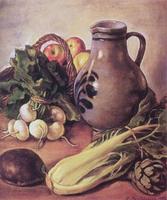
Still life with a jug
Zinaida Serebriakova
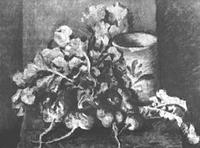
Radish
Ilya Mashkov
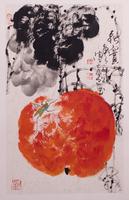
Harvest in the Autumn
Dayou Lu
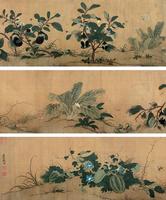
蔬果草虫
Qian Xuan
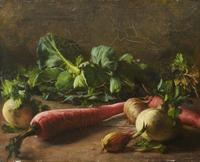
Kitchen Vegetables
Thomas Stuart Smith
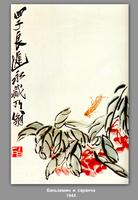
Impatiens and locusts
Qi Baishi
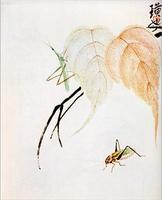
Praying Mantis on a branch
Qi Baishi
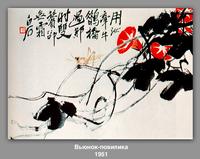
Bindweed, dodder
Qi Baishi
Chinese Vegetables
Avigdor Arikha
Pan
Cy Twombly
Two boats on Korana
Alfred Freddy Krupa
Grasshopper
Qi Baishi
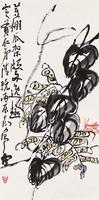
Idyllic Tranquility
Ding Yanyong
Grasshoper and Fool Moon
Ohara Koson
Peony
Qi Baishi
Flower and Bird
Ding Yanyong
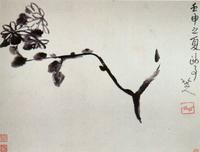
Chrysantheme
Bada Shanren
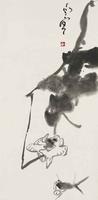
Fish and Lotus
Ding Yanyong