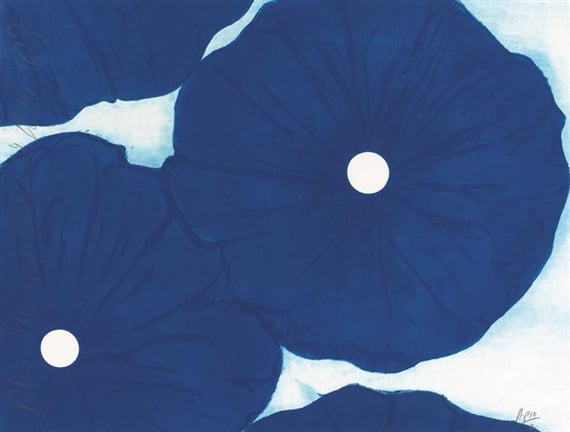
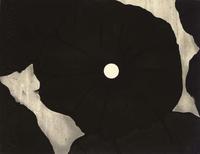
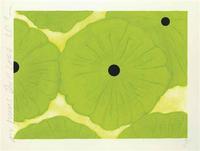
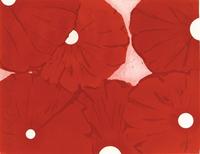
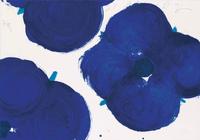
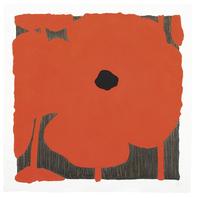
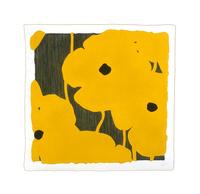
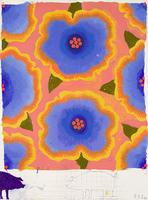
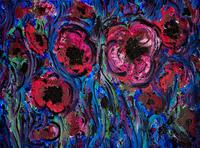
Donald Sultan's Four Blue Flowers, May 19, 1999 is a compelling example of Neo-Expressionism applied to the traditional genre of flower painting. Its significance lies in how it subverts the conventions of floral still life through the movement’s characteristic emotional intensity and bold, gestural handling. While flower painting often emphasizes delicacy and natural beauty, Sultan reimagines the subject with a stark, almost industrial force—the “four blue flowers” likely possess a vivid, saturated palette and a sense of raw immediacy. The date in the title (May 19, 1999) anchors the work in a specific moment, infusing the genre with a diaristic, personal urgency typical of Neo-Expressionist practice. By merging a timeless subject with a contemporary, expressive idiom, Sultan challenges viewers to see the familiar through a lens of heightened emotion and formal power, making the painting a key statement on the enduring relevance of still life within modernist upheaval.