Tea bowl
Expert analysis of Kasumi Bunsho’s Tea bowl
Style: Zen · Genre: calligraphy
Expert Analysis of "Tea bowl" by Kasumi Bunsho
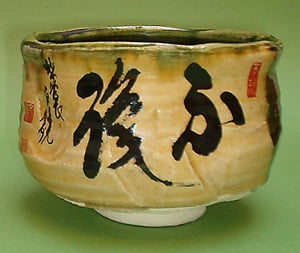
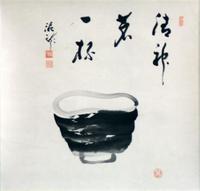
Structured within the Zen aesthetic tradition and executed in the genre of calligraphy, Kasumi Bunsho’s Tea bowl represents a profound synthesis of function and philosophy. Unlike a conventional painted or glazed vessel, this work is defined by the presence of calligraphic brushwork on its surface—a choice that immediately elevates the bowl from a mere utensil to a meditative object. In the Zen context, calligraphy is not merely decorative but an act of spontaneous, disciplined expression, often embodying the ideals of wabi-sabi (the beauty of imperfection, transience, and austerity) and mushin (no-mind, or the state of egoless flow).
The significance of this piece lies in its merging of two traditionally distinct Zen practices: the tea ceremony (chanoyu) and ink calligraphy (shodō). By inscribing a tea bowl with brushstrokes, Bunsho transforms the ware into a direct vehicle for the written word—likely a short Zen phrase, a single character, or a poetic line—thereby inviting the user to contemplate the meaning while drinking tea. This interplay foregrounds the Zen emphasis on mindfulness in everyday acts. The calligraphy itself, presumably loose and irregular (as is typical in Zen ink work), rejects technical perfection in favor of raw vitality, echoing the rough texture of the bowl’s clay. The “imperfections” in the brushwork and the bowl’s form become intentional markers of authenticity.
Within the broader history of Zen art, this work stands out for its conceptual audacity: it collapses the boundaries between craft and fine art, utility and contemplation. While Zen tea bowls like those of the Raku lineage are celebrated for their tactile simplicity, Bunsho’s addition of calligraphy introduces a new layer of intellectual and spiritual engagement. The bowl becomes both a tool for ritual and a canvas for enlightenment—a singular object that encapsulates the Zen ideal of finding the profound in the mundane. In this way, Tea bowl by Kasumi Bunsho is a significant contribution to the Zen tradition, expanding the possibilities of how a functional object can speak the language of the mind.
Visually similar
20 works with related composition and palette
Lotus Tea Bowl
Yamamoto Gempo
Tea Bowl
Phil Sims
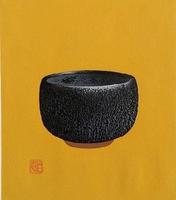
Collection - 18
Maki Haku
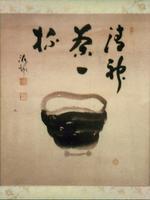
Tea Bowl
Deiryu
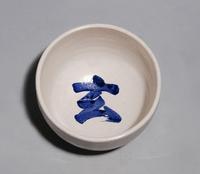
Profundity
Yamamoto Gempo
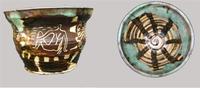
Birds, Flowers and Figures
Walter Battiss
Hanging Scroll (Tea Bowl)
Deiryu
Bowl
Louis Comfort Tiffany
Poem-5
Maki Haku
Collection 85-8
Maki Haku
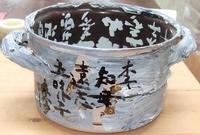
Untitled
Nam June Paik
Bowl
Louis Comfort Tiffany
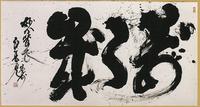
Ten Thousand Years
Kasumi Bunsho
Vase
Louis Comfort Tiffany
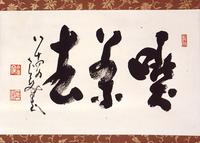
Calligraphy
Nakahara Nantenbo
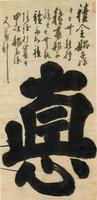
Virtue
Hakuin Ekaku
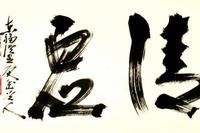
Calligraphy
Keido Fukushima
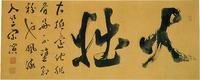
Calligraphy, Dai-setsu
Soen Kogaku
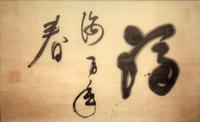
Calligraphy
Kogan Gengei
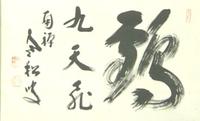
鶴置字
Zenkei Shibayama