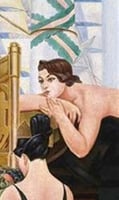
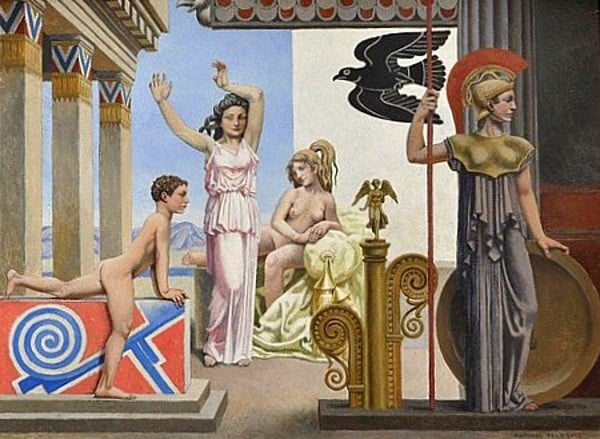
Scène mythologique
Expertenanalyse zu Raphael Delormes Scène mythologique
Stil: Art Deco · Genre: mythological painting
Expert Analysis: "Scène mythologique" by Raphael Delorme
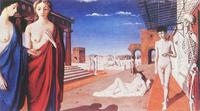
Raphael Delorme’s "Scène mythologique" stands as a compelling example of how Art Deco artists reimagined classical narratives through the lens of modernity. Though the painting’s specific mythological episode is unnamed in the available records, its significance lies in the synthesis of two distinct impulses: the timeless allure of Greco-Roman myth and the sleek, decorative geometry that defines the Art Deco style.
Art Deco Context:
Art Deco (c. 1920–1940) celebrated luxury, craftsmanship, and forward-looking design. In painting, it often merged traditional subject matter—especially mythological or allegorical themes—with stylized forms, sharp contours, and flattened perspectives. Delorme’s work would have embraced these principles: crisp lines, bold color contrasts (likely metallic accents or jewel tones), and a sense of streamlined elegance. The mythological genre allowed artists to inject ancient drama into a modern visual vocabulary, making the past feel contemporary and glamorous.
Significance of This Work:
- Fusion of Classic and Avant-Garde: Delorme’s Scène mythologique likely employs the same “machine-age” precision found in Art Deco architecture or furniture, applied to gods, heroes, or nymphs. This elevates a traditional academic genre into a statement of modern taste.
- Symbol of Cultural Aspiration: During the Roaring Twenties, mythological scenes in an Art Deco mode appealed to patrons seeking both cultural pedigree and chic modernism. Delorme’s painting would have functioned as a sophisticated conversation piece, bridging erudition and style.
- Decorative Unity: The work’s strong composition and rhythmic patterning—hallmarks of Art Deco—would have allowed it to integrate seamlessly into an interior scheme (e.g., a hotel lobby or a private salon), reinforcing the period’s ideal of total design.
While specific details of pose, palette, or narrative are unavailable, the pairing of Raphael Delorme’s name with an Art Deco mythological subject marks the painting as a representative artifact of an era that sought to domesticate antiquity into sleek, harmonious spectacle.
Visuell ähnlich
20 Werke mit ähnlicher Komposition und Farbpalette
Die Gartenlaube
Henri-Paul Motte
The Flute Concert
Gustave Boulanger
Cleopatra Testing Poisons on Those Condemned to Death
Alexandre Cabanel
Sirens
Paul Delvaux
The Jewel Casket
John William Godward
Theatrical Rehearsal in the House of an Ancient Roman Poet
Gustave Boulanger
Queen Zenobia's Last Look Upon Palmyra
Herbert Gustave Schmalz (Herbert Carmichael)
Innocent Amusements
John William Godward
Socrates seeking Alcibiades in the House of Aspasia
Jean-Leon Gerome
Musical afternoon in Pompeii
Enrico Nardi
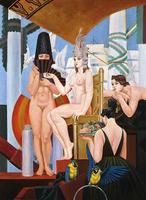
Nu aux armures
Raphael Delorme
Flower seller at the Parthenon
Théodore Ralli
Illustration Of The Petronius Satyricon. Meeting De Pannychis With Giton (chapter xxv)
Georges Rochegrosse
Joseph Dwelleth in Egypt
James Tissot
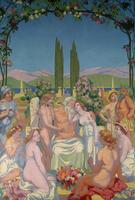
The Story of Psyche: panel 5. In the Presence of the Gods Jupiter Bestows Immortality on Psyche and Celebrates Her Marriage to Eros
Maurice Denis
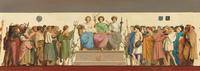
The four parts of the world - Frieze intended to be reproduced on a commemorative vase at the London exhibition
Jean-Leon Gerome
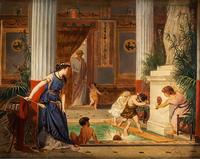
The Bath
Ettore Forti
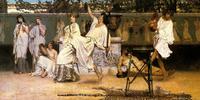
Bacchanale
Sir Lawrence Alma-Tadema
Red city
Paul Delvaux
Les Paons
Raphael Delorme