Trollkjerringen I Bergskorten
Theodor Severin Kittelsen sanatçısının Trollkjerringen I Bergskorten eseri hakkında uzman analizi
Tarz: Neo-Romanticism · Tür: mythological painting
Expert Analysis: Trollkjerringen I Bergskorten (The Troll Witch in the Mountain Crevice) by Theodor Severin Kittelsen
Style & Period Context
This work belongs to Neo-Romanticism, a late-19th and early-20th-century movement that revived Romanticism’s emphasis on emotion, nature, and the sublime, but infused it with a more introspective, often nationalistic spirit. In Scandinavia, Neo-Romanticism became a vehicle for exploring folklore, wilderness, and cultural identity—especially in Norway, then seeking to define a distinct artistic voice after centuries of union with Denmark and Sweden.
Significance Within Neo-Romanticism
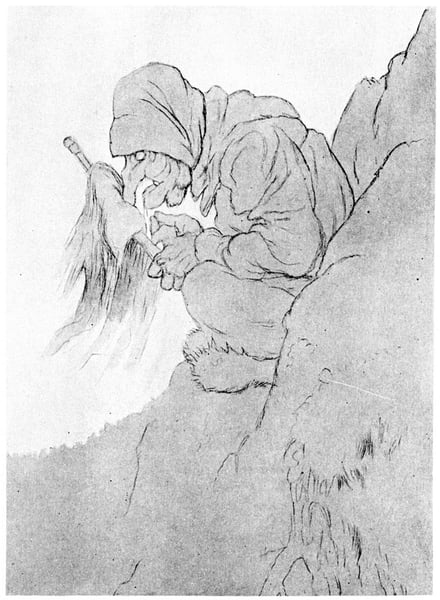
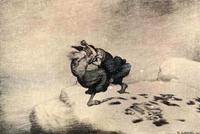
Kittelsen’s Trollkjerringen I Bergskorten is a quintessential example of how Neo-Romantic painters merged mythological subjects with a deep reverence for the untamed landscape. The painting depicts a troll witch lurking in a rocky crevice, half-emerging from the raw, jagged mountain. The composition blurs the boundary between the supernatural creature and the geological forms: the witch’s gnarled limbs echo the fissures in the rock, suggesting that trolls are not merely inhabitants of the wild but are born from it—ancient, elemental forces tied to Norway’s primeval terrain.
Artistic Techniques and Mood
Kittelsen uses a muted, earthy palette—deep browns, grays, and mossy greens—and a restrained, almost chalky application of paint to evoke the cold, damp atmosphere of a northern mountain. The lighting is dim and directional, casting the witch’s face in shadow while illuminating the frosty edge of the crevice. This chiaroscuro heightens the tension between the familiar (rock, moss) and the uncanny (a hunched, witch-like figure with a long nose and piercing eyes). The mood is one of eerie stillness: the witch is caught mid-motion, as if she has just noticed the viewer.
Mythological & Cultural Significance
In Norwegian folklore, trolls are shape-shifting, dangerous beings tied to the mountains—often guardians of hidden treasure or bringers of misfortune. Kittelsen, who illustrated Asbjørnsen and Moe’s collection of Norwegian folktales, humanizes the troll witch without neutering her menace. She is not a caricature but a believable presence, embodying the fears and mysteries of a rural population living at the mercy of harsh geography. The painting thus serves as both a supernatural portrait and a meditation on the sublime terror of nature—a core Neo-Romantic theme.
Legacy
This piece is significant because it perfects the fusion of national Romanticism and dark fantasy. Kittelsen’s trolls, especially this witch, influenced later Scandinavian horror and fantasy art (e.g., John Bauer’s trolls, Edvard Munch’s landscapes of anxiety). Trollkjerringen I Bergskorten remains a touchstone for how Neo-Romanticism could render folklore with psychological depth, turning the Norwegian mountain into a stage for ancient magic that still feels immediate and unsettling.
Görsel olarak benzer
İlişkili kompozisyon ve renk paletine sahip 20 eser
Troll wonders how old he is - Trollet som grunner på hvor gammelt det er,
Theodor Severin Kittelsen
Troll wonders how old he is - Trollet som grunner på hvor gammelt det er
Theodor Severin Kittelsen
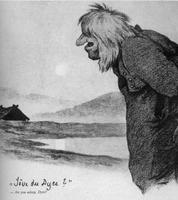
Dyre Vaa
Theodor Severin Kittelsen
A Beggar Warming his Hands over a Chafing Dish
Rembrandt
The Bird of Shadow and the Sunbird - illustration to Fairies I Have Met
Edmund Dulac
In Hiding
Martin Benka
Tchitchikov at the customs
Marc Chagall
Folk Og Trold
Theodor Severin Kittelsen
Illus. for A Little Boy Lost by Hudson
Dorothy Lathrop
Troll Som Vasker Ungen Sin
Theodor Severin Kittelsen
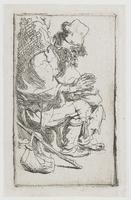
Beggar seated warming his hands at a chafing dish
Rembrandt
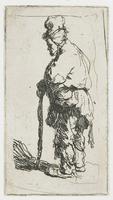
Beggar leaning on a stick, facing left
Rembrandt
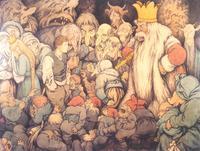
Peer Gynt In the Hall of the Mountain King
Theodor Severin Kittelsen
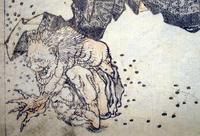
Oni pelted by beans
Katsushika Hokusai
Saint Christopher
Hieronymus Bosch
Troll Som Vasker Ungen Sin
Theodor Severin Kittelsen
Sittende Viking I Kystlandskap
Knud Baade
the Daoist Immortal Huang Chuping
Kanō Motonobu
Washing place Bbalraeteo
Kim Hong-do
Troldkjaerringer
Theodor Severin Kittelsen