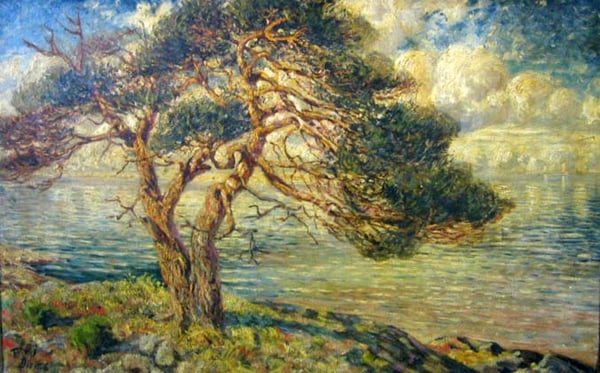
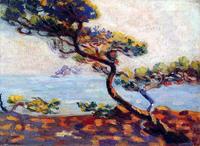
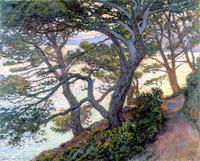
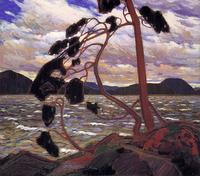
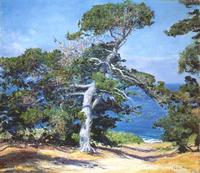
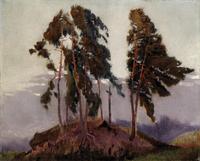
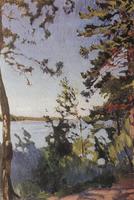
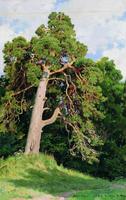
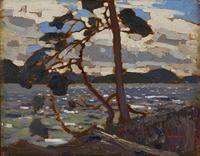
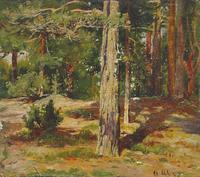
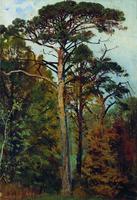
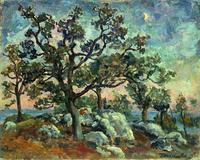
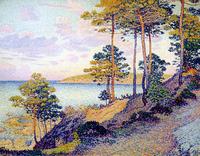
This artwork, "Pin au bord de la mer" by Karl Edvard Diriks, is significant as an Impressionist landscape that exemplifies the movement’s core ambition: to capture the fleeting effects of light, atmosphere, and natural form. Within Impressionism, landscapes were elevated to a primary subject, and Diriks’ depiction of a solitary pine by the sea—a quintessentially Impressionist motif—demonstrates the style’s shift from detailed realism to the suggestion of sensory experience. The painting’s importance lies in how it uses the Impressionist emphasis on plein-air observation to distill the essential character of a coastal scene: the interaction between a static pine tree, the dynamic sea, and the ever-changing play of light. As a landscape, it contributes to the broader Impressionist project of documenting contemporary, unidealized nature, making it a notable example of the artist’s engagement with the movement’s principles.