Expert analysis of Moshe Kupferman’s Untitled
Style: Abstract Expressionism · Genre: abstract
Expert Analysis: "Untitled" by Moshe Kupferman
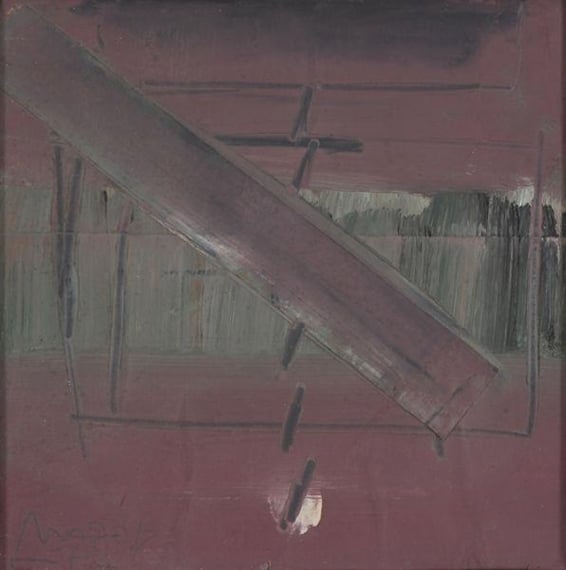
Moshe Kupferman’s Untitled stands as a compelling contribution to Abstract Expressionism, yet it resists the gestural, high-energy dynamism often associated with the movement. Instead, Kupferman forges a distinct path within the style—one marked by rigorous structure, muted tonalities, and an almost meditative repetition of line.
Formal and Compositional Significance
The work is characteristic of Kupferman’s mature abstract vocabulary: a dense network of vertical and horizontal lines—often scratched or drawn with restraint—forming a grid-like lattice. This grid is not rigid or geometric in a hard-edge sense; rather, it appears organic, built up through layers of erasure and re-inscription. The surface suggests a palimpsest, where past marks remain faintly visible beneath the present composition. This process-driven approach aligns with the Abstract Expressionist emphasis on the artist’s hand and the materiality of paint, but Kupferman replaces explosive spontaneity with deliberate, repetitive gesture.
Placement Within Abstract Expressionism
Kupferman’s oeuvre is significant precisely because it expands the definition of Abstract Expressionism. While American Abstract Expressionists like Pollock or de Kooning celebrated chaos and catharsis, Kupferman—an Israeli artist deeply informed by the landscape of memory and displacement—introduces a contemplative, almost architectural calm. His abstraction is not about emotional release but about constructing order from historical and personal fragments. The muted palette (grays, whites, earth tones) further distances his work from the vibrant color fields of Rothko or Still, placing him closer to a European tradition of lyrical abstraction and the meditative reductivism of artists like Agnes Martin, though Kupferman’s grid is more tactile and less pristine.
Artistic Legacy
Untitled exemplifies Kupferman’s unique synthesis: the existential intensity of Abstract Expressionism filtered through a disciplined, almost calligraphic sensibility. The work’s significance lies in its quiet insistence that abstraction can be both deeply personal and universally resonant—a language of memory built not through explosive marks, but through the patient accumulation of lines that seem to breathe on the canvas. In this, Kupferman enriches the canon of Abstract Expressionism by demonstrating its capacity for introspection, structure, and a subdued yet profound emotional weight.
Genre
Visually similar
20 works with related composition and palette
Peinture 21 Juillet 1958
Pierre Soulages
Untitled
Moshe Kupferman
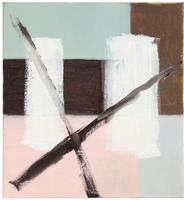
At the End of the Way
Ilse D'Hollander
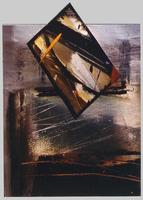
El reverso de mi ventana.
Aldo Menéndez
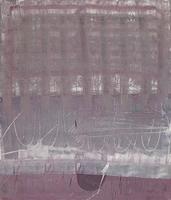
Untitled
Moshe Kupferman
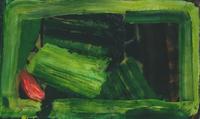
Clean Sheets
Howard Hodgkin
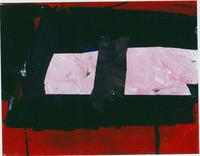
Untitled (for "Cool" Series)
Perle Fine
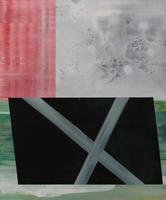
Mesh
Daniel Sambo-Richter
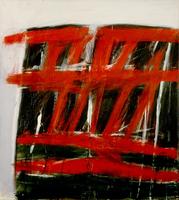
Thursday
Jack Tworkov
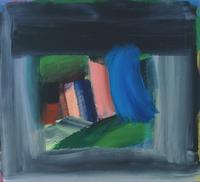
Rain
Howard Hodgkin
Who knows the beginning and who knows the end I
Blinky Palermo
Here We are in Croydon
Howard Hodgkin
Autumnal Brown Gesture
Stanley Boxer
Untitled
Edward Avedisian
Untitled
Abdul Qader Al Raes
Untitled (Bastian 38)
Cy Twombly
Peinture 23 avril 1963
Pierre Soulages
Low Sun
Jack Bush
Överlagrat
Rune Jansson
Paisaje
eDgar gRau