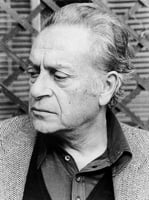
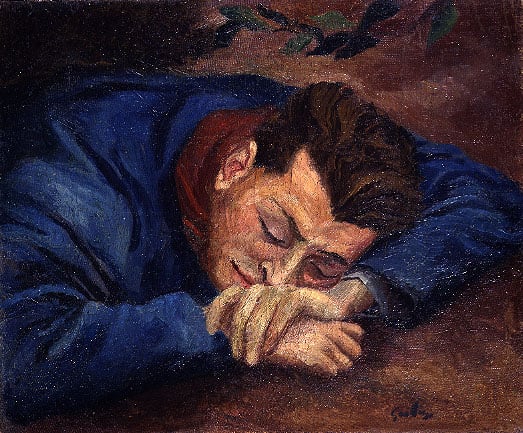
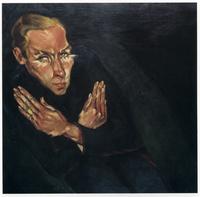
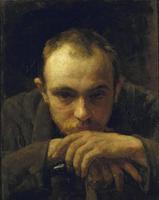
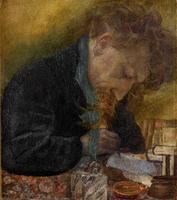
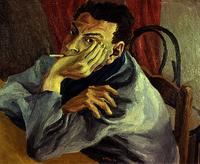
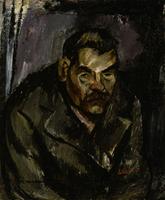
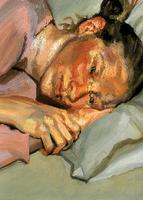
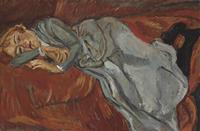
Renato Guttuso’s Miliziano a riposo (ritratto di Antonello Trombadori) is a compelling portrait that encapsulates the core tenets of Italian Social Realism. Executed in that style, the work moves beyond mere likeness to document a specific political and human subject: Antonello Trombadori, a prominent anti-fascist intellectual and partisan. By depicting a militiaman at rest, Guttuso elevates the everyday heroism of the Resistance, presenting not an abstract warrior but a pensive, grounded individual. The portrait’s significance lies in its fusion of personal identity with collective struggle—Trombadori is both a named historical figure and a symbol of the working-class fighter. Guttuso’s Social Realist approach strips away idealization, focusing on the subject’s weary humanity, a deliberate choice to affirm dignity and political consciousness. This work stands as a key example of how Italian Social Realism used portraiture to memorialize resistance and challenge art’s traditional detachment from contemporary social realities.