The Bullfighter of Seville
Analisi esperta di The Bullfighter of Seville di Jose Guadalupe Posada
Stile: Modernismo · Genere: caricature
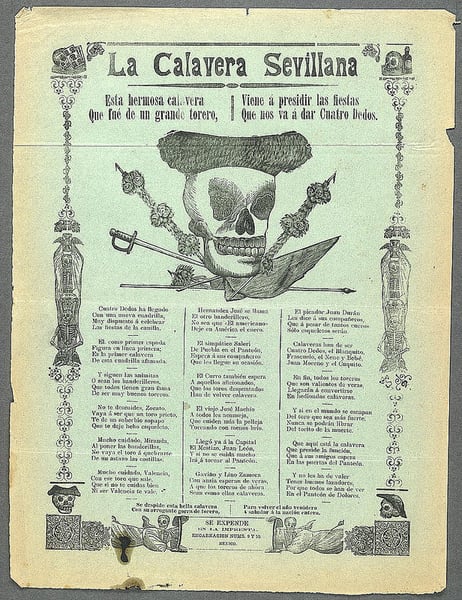
This artwork is a powerful example of how Modernismo—the Mexican modernist movement that flourished around the turn of the 20th century—used popular art forms to deliver sharp social commentary. Jose Guadalupe Posada, best known for his satirical calaveras (skeleton prints), brings the same incisive wit to "The Bullfighter of Seville," a caricature that is both a celebration and a critique of Spanish-influenced spectacle.
Significance within Modernismo and the Caricature Genre:
- Democratizing Art Through Print: Posada worked primarily for penny presses and broadsides, making his work widely accessible. This caricature exemplifies Modernismo’s break from academic elitism by elevating a popular, ephemeral genre into a vehicle for biting social observation.
- Exaggeration as Social Critique: The piece likely distorts the bullfighter’s features—exaggerating his costume, posture, or expression—to reveal the vanity, bravado, and artificiality of the spectacle. In Posada’s oeuvre, bullfighters often represent the corruption and absurdity of imported Spanish traditions in Mexican society.
- Visual Economy and Line: Posada’s masterful, energetic line work captures movement and character with minimal detail. The stark, high-contrast composition typical of his engravings emphasizes the caricature’s punchline, making the social message immediate and unforgettable.
- Foreshadowing the Muralists: This work anticipates the political art of Rivera, Orozco, and Siqueiros. Posada’s blend of folk humor, macabre imagery, and incisive satire laid the groundwork for Mexican modernism’s commitment to addressing class, power, and identity.
In "The Bullfighter of Seville," Posada does not merely mock an individual; he holds a mirror to a society obsessed with ritualized violence and empty heroism. The piece remains significant as a vivid document of how Modernismo used caricature to critique tradition while inventing a new, distinctly Mexican visual language.
Visivamente simili
20 opere con composizione e palette affini
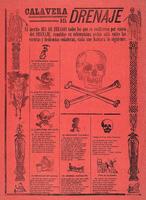
Drainage Calavera. Those who retired exactly on the Day of the Dead due to the drainage
Jose Guadalupe Posada
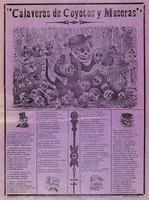
Coyotes (conmen) and waitress calavera
Jose Guadalupe Posada
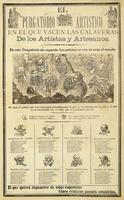
The artistic purgatory, where the calaveras of artists and craftsmen lie
Jose Guadalupe Posada
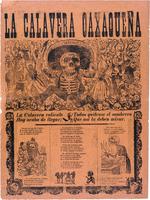
Calavera from Oaxaca
Jose Guadalupe Posada
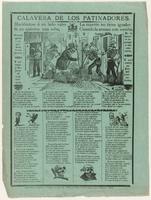
Street Cleaner Calavera
Jose Guadalupe Posada
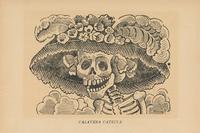
La Calavera Catrina
Jose Guadalupe Posada
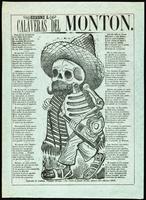
Calaveras from the Heap
Jose Guadalupe Posada
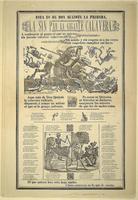
This is Don Quixote the first, the giant calavera without equal
Jose Guadalupe Posada
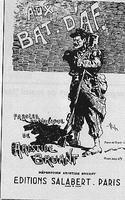
Aux Bat-d'Af
Theophile Steinlen
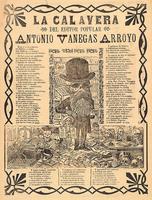
The calavera of popular editor Antonio Vanegas Arroyo
Jose Guadalupe Posada
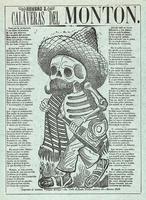
Calaveras from the heap
Jose Guadalupe Posada
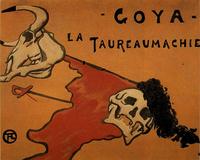
Tauromaquia
Henri de Toulouse-Lautrec
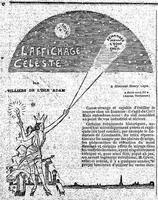
L'Affichage Celeste
Theophile Steinlen
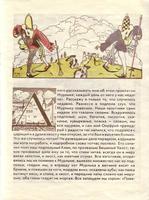
Illustration for the book 'How mice buried the cat' by Zhukovsky
Heorhiy Narbut
Illustration for the book 'How mice buried the cat' by Zhukovsky
Heorhiy Narbut
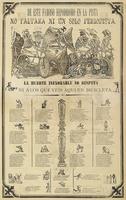
From this famous hippodrome on the racetrack, not even a single journalist is missing. Death is inexorable and doesn’t even respect those that you see here on bicycle
Jose Guadalupe Posada
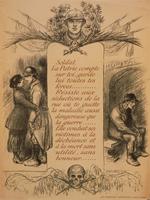
Soldier Health
Theophile Steinlen
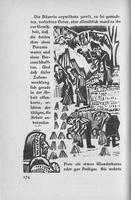
Book illustration side of the military road
Ernst Ludwig Kirchner
Les Femmes de France
Theophile Steinlen
V'La L'Cholera Qu-arrive
Theophile Steinlen