Notes
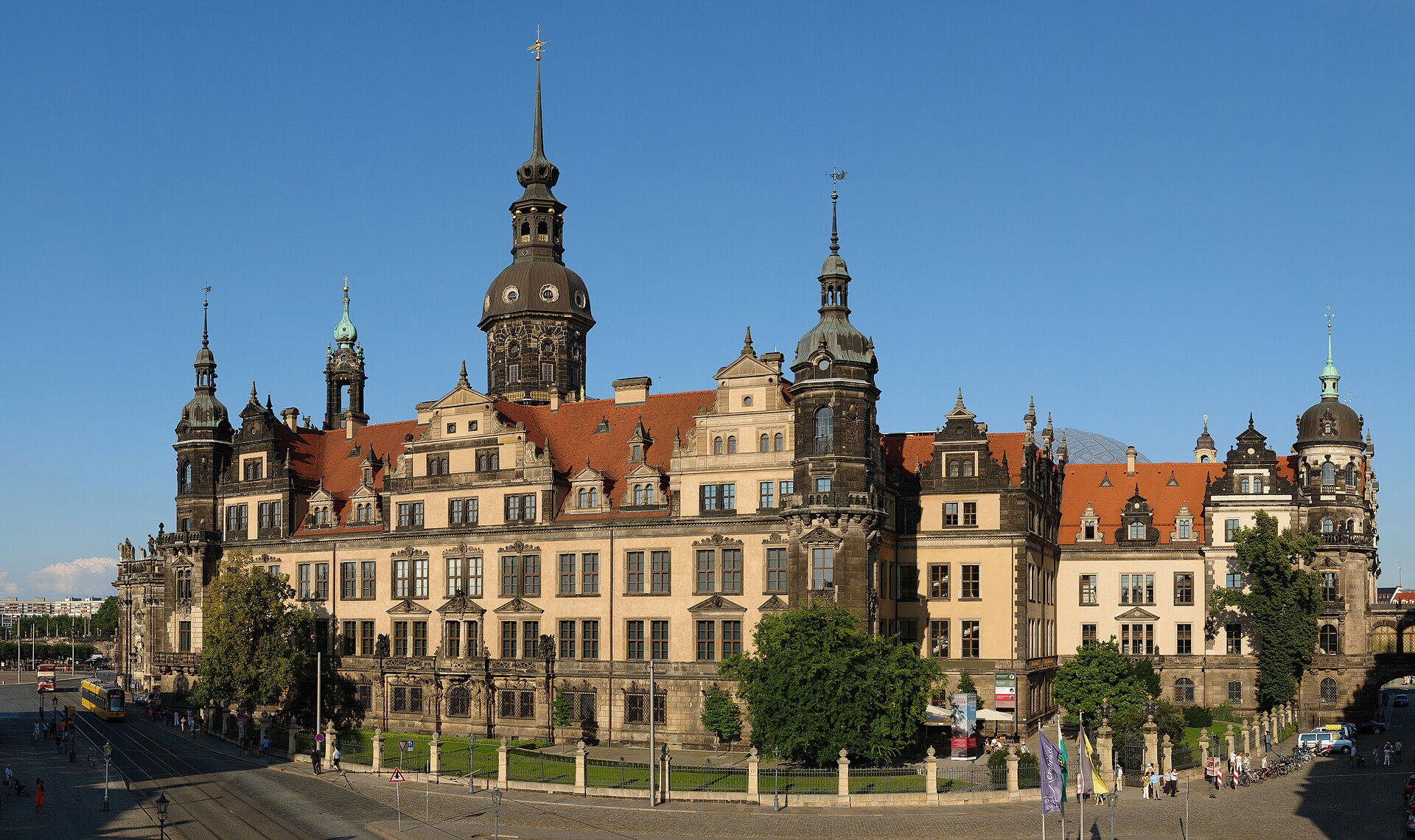
Kupferstichkabinett Dresden is a print and drawings museum in Dresden's Residenzschloss (Royal Palace), founded in 1720 by Elector Friedrich August I and holding more than 500,000 drawings, prints, and photographs spanning the Middle Ages to the present. Its roots reach further back still, into the 16th-century Saxon court Kunstkammer assembled under Elector August (1526–1586), from which the paper-based holdings were eventually separated into their own collection. A defining early acquisition came in 1728, when the museum purchased the Leipzig alderman Gottfried Wagner's collection of more than 10,000 drawings, a single transaction that dramatically expanded its depth. Among its most significant works is Jan van Eyck's silverpoint Portrait of an Old Man, recognized as the earliest surviving portrait drawing from life securely attributed to a named artist in Northern Europe.
The collection today represents more than twenty thousand artists, ranging from Old Masters such as Albrecht Dürer, Lucas Cranach, van Eyck, and Rembrandt, through later figures including Piranesi, Fragonard, Caspar David Friedrich, and Toulouse-Lautrec, to twentieth- and twenty-first-century names such as Gerhard Richter and Wolfgang Tillmans. Because works on paper are light-sensitive, the museum shows its holdings through rotating exhibitions and a dedicated study room rather than permanent open display, a format that rewards visitors seeking close, changing encounters with drawings and prints rather than a fixed gallery circuit. It also maintains the Josef-Hegenbarth Archive in the Dresden-Loschwitz district as an additional site tied to the collection. For art enthusiasts, the appeal lies in its status as one of Europe's oldest museums devoted specifically to works on paper, its unbroken line back to Saxon princely collecting, and the chance to see drawings and prints by figures spanning five centuries within the historic setting of the Dresden Residenzschloss.
Details
Standort
Taschenberg 2, 01067 Dresden, DE