Notes
The Dutch Museum of Freemasonry: Where Symbolism Meets History
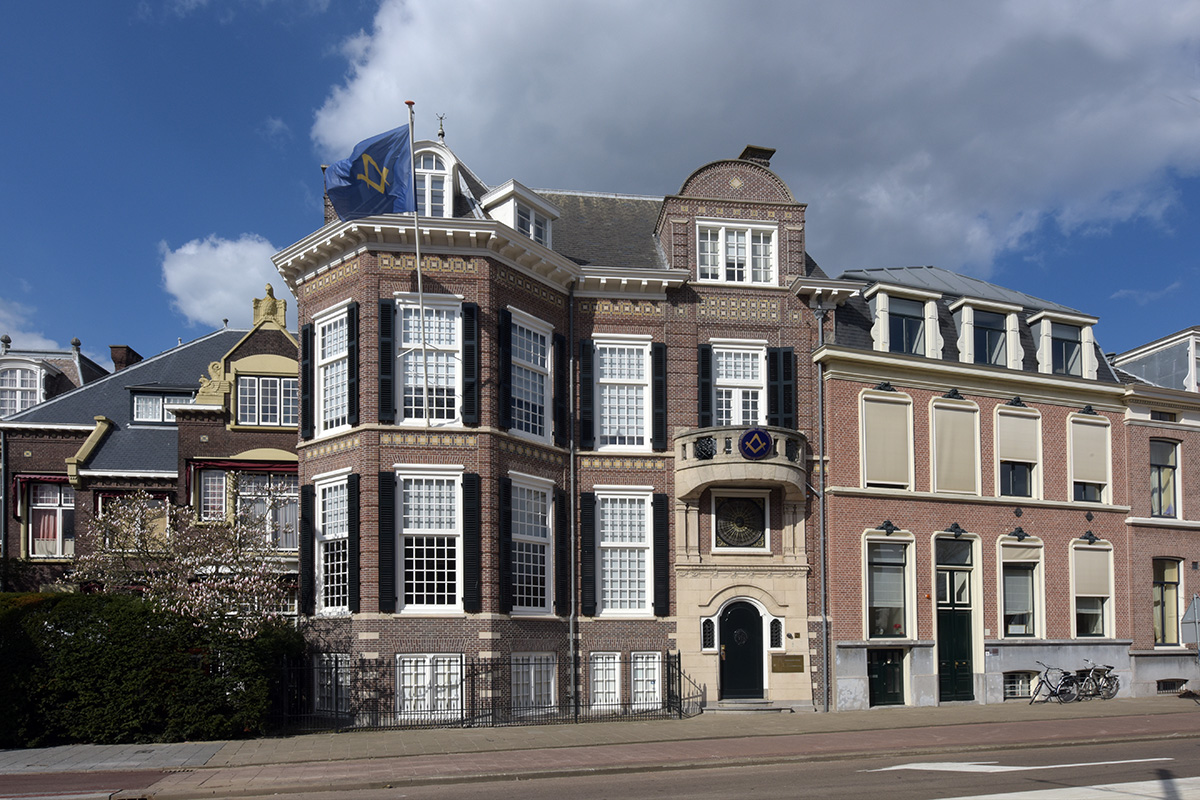
Set within the stately Javastraat in The Hague, the Dutch Museum of Freemasonry (Museum van de Vrijmetselarij) occupies a resonant spot at number 2B, 2585 AM. As a museum dedicated exclusively to the history, artifacts, and esoteric traditions of Freemasonry, it offers something rare in the cultural landscape: a precision-focused lens on a society that has shaped Dutch intellectual life for centuries.
Cultural significance rooted in data
The museum’s type—a specialized institution devoted to a single fraternal order—tells us immediately that this is not a broad survey of art or history, but a deep dive into a closed world. Freemasonry has long been intertwined with the Netherlands’ Enlightenment heritage, fostering ideals of tolerance, rationality, and brotherhood. The museum’s location in The Hague, the country’s political and diplomatic heart, underscores the order’s historical influence among Dutch elites, artists, and thinkers. By presenting material culture—ritual objects, manuscripts, medals, paintings, and regalia—the museum transforms abstract symbols into tangible history.
What visitors experience
Stepping inside, visitors encounter a curated journey through Masonic iconography. Expect to see intricately embroidered aprons, ceremonial swords, and rare printed works that explain the degrees of initiation. The space itself, housed in a former Masonic lodge, may resonate with architectural symbolism—compasses, squares, the all-seeing eye—that rewards careful looking. Though the structured facts do not specify collection size, the very existence of a stand-alone museum in a capital city signals a wealth of material. For the curious observer, the exhibition interprets how allegory, geometry, and charity inform both the lodge and broader Dutch society.
Why art enthusiasts should visit
Art lovers will find particular value in the museum’s focus on symbolic visual language. Freemasonry has inspired painters, printmakers, and decorative artists for centuries, and the museum displays objects that blur the line between functional tool and aesthetic object. The craftsmanship of 18th- and 19th-century Masonic furniture, the precision of engraved certificates, and the often striking use of eye-like motifs and geometric patterns offer a distinct chapter in applied art history. Moreover, understanding Masonic symbolism enriches one’s reading of many Dutch Golden Age and later works—Rembrandt, for instance, or the allegorical still lifes that hint at hidden codes.
In essence, the Dutch Museum of Freemasonry is a specialized gem that illuminates a secretive yet culturally influential movement. It invites the visitor to decode rituals, admire fine craftsmanship, and consider how a society built on discretion has left a visible mark on the art and history of the Netherlands. For the cultural traveler in The Hague, it is a compelling stop that proves a museum need not be vast to be deeply meaningful.
Details
Location
Javastraat 2B, 2585 AM Den Haag, NL