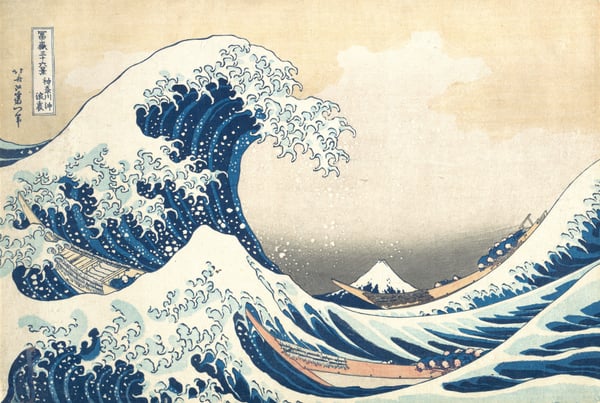
Katsushika Hokusai · Ukiyo-e · marina
La grande onda di Kanagawa è una xilografia in stile ukiyo-e del pittore giapponese Katsushika Hokusai realizzata tra il 1830 e il 1833.
30 capolavori della xilografia giapponese dal mondo fluttuante
Ukiyo-e, che significa 'immagini del mondo fluttuante,' è una delle forme d'arte più influenti del Giappone. Fiorendo durante il periodo Edo (1603-1868), queste stampe su legno hanno catturato il vivace mondo degli attori kabuki, delle cortigiane, dei lottatori di sumo, dei paesaggi leggendari e delle scene della vita quotidiana. La maestria tecnica necessaria per intagliare, inchiostrare e stampare queste immagini multicolori rimane una delle grandi conquiste dell'arte della stampa.
La Grande Onda di Kanagawa di Hokusai è tra le immagini più riconosciute dell'arte mondiale, mentre i paesaggi atmosferici di Hiroshige ispirarono direttamente Van Gogh, Monet e Whistler. I sensuali ritratti femminili di Utamaro e i drammatici ritratti di attori di Sharaku completano una tradizione che ha profondamente plasmato l'Impressionismo e l'Art Nouveau.
Usa la checklist per tenere traccia dei capolavori ukiyo-e che hai visto di persona.
Katsushika Hokusai · Ukiyo-e · marina
La grande onda di Kanagawa è una xilografia in stile ukiyo-e del pittore giapponese Katsushika Hokusai realizzata tra il 1830 e il 1833.
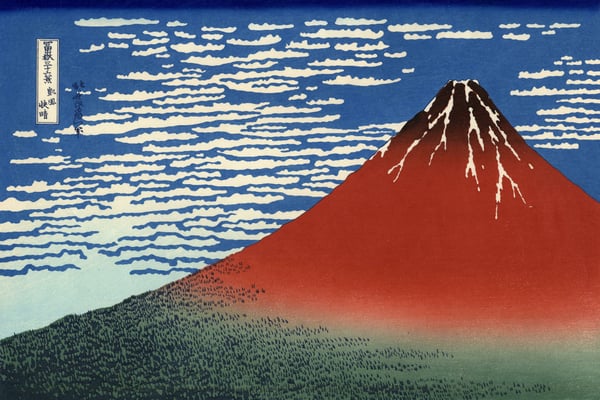
Katsushika Hokusai
Vento leggero, mattinata serena nota anche come Red Fuji, è una xilografia dell'artista giapponese Hokusai (1760-1849), facente parte della serie delle Trentasei vedute del Monte Fuji, databile tra il 1830 e il 1832 circa. L'opera è stata descritta come "una delle più semplici e allo stesso tempo una delle più eccezionali di tutte le stampe giapponesi".
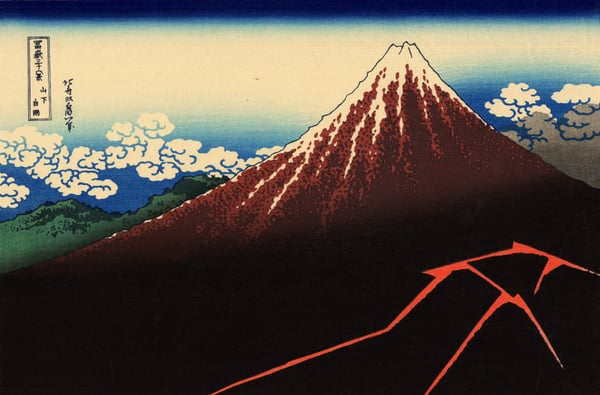
Katsushika Hokusai
Thunderstorm Beneath the Summit , also known as Rainstorm Beneath the Summit, or sometimes Black Fuji is a woodcut print by the Japanese ukiyo-e master Hokusai (1760–1849). It is one of the most famous prints from his celebrated Thirty-six Views of Mount Fuji series, published c. 1830–1832.
Katsushika Hokusai
Kirifuri Waterfall is a woodblock print by Katsushika Hokusai.
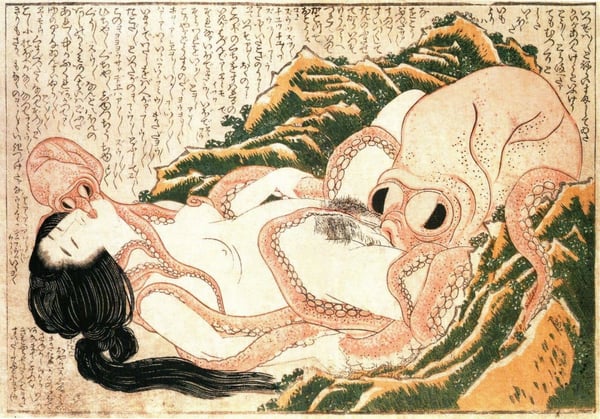
Katsushika Hokusai
Il sogno della moglie del pescatore è il titolo con cui è nota in Occidente una xilografia in stile ukiyo-e, realizzata dall'artista giapponese Hokusai, conosciuta in patria come Tako to ama . La xilografia è inclusa all'interno dell'opera Kinoe no Komatsu, costituita da tre volumi di shunga, ossia di stampe erotiche, e pubblicata per la prima volta nel 1814, ed è diventata lo shunga più famoso...
Katsushika Hokusai
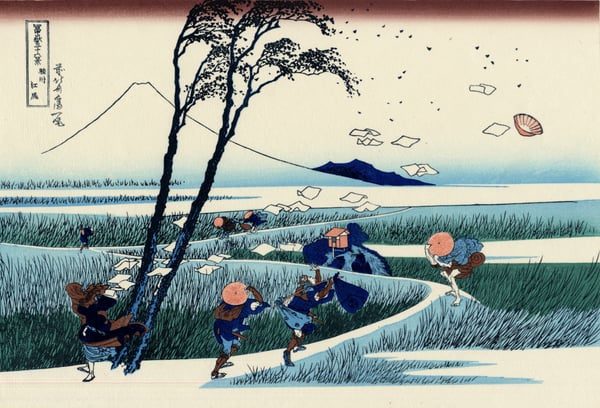
Travellers Caught in a Sudden Breeze at Ejiri is a woodblock print by Katsushika Hokusai depicting the moment its title names—figures overtaken by wind at the location of Ejiri. The work belongs to Hokusai's series of landscape prints and demonstrates the characteristic formal conventions of that tradition.
Katsushika Hokusai
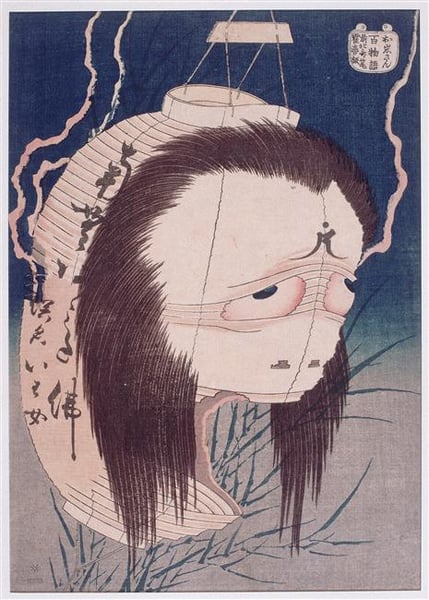
Katsushika Hokusai's The Ghost of Oiwa is a work by the artist known for his woodblock prints and landscape compositions of the Edo and early Meiji periods.
Utagawa Hiroshige
Sudden Shower over Shin-Ōhashi bridge and Atake is a woodblock print in the ukiyo-e genre by the Japanese artist Hiroshige. It was published in 1857 as part of the series One Hundred Famous Views of Edo and is one of his best known prints.
Utagawa Hiroshige
Utagawa Hiroshige's Plum Park in Kameido depicts the plum park at Kameido, a subject rendered in the woodblock print tradition of Edo-period Japan.
Utagawa Hiroshige
Night Snow at Kambara depicts a snow-covered landscape in the style of Japanese woodblock printing. The work is part of Hiroshige's documented body of art.
Utagawa Hiroshige
Hōeidō Edition: Nihonbashi is a woodblock print by Utagawa Hiroshige from his series depicting Japanese locations. The work belongs to the ukiyo-e tradition of Japanese printmaking.
Utagawa Hiroshige
Moon over the Sumida River by Utagawa Hiroshige depicts a nocturnal landscape featuring the Sumida River under moonlight. The work belongs to the ukiyo-e tradition of Japanese woodblock printing.
Kitagawa Utamaro · Ukiyo-e · portrait
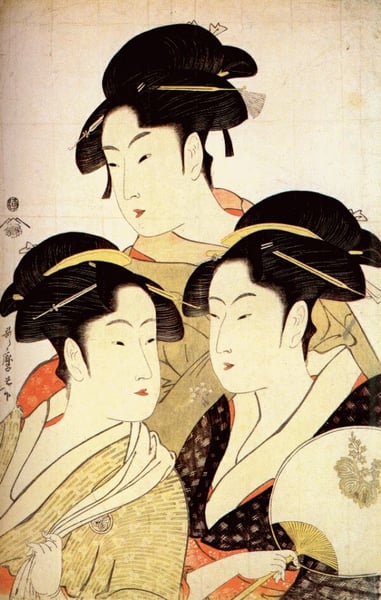
Tre bellezze del nostro tempo è una xilografia in stile nishiki-e del disegnatore giapponese Kitagawa Utamaro, pubblicata la prima volta tra il 1792 ed il 1793, durante il periodo Edo della storia del Giappone. La composizione, di dimensioni 37,9 cm × 24,9 cm, raffigura tre famose bellezze del tempo: sono la geisha Tomimoto Toyohina e le cameriere Naniwa Kita e Takashima Hisa.
Kitagawa Utamaro
Lovers in an Upstairs Room is a woodblock print by Kitagawa Utamaro.
Gabriel Metsu · Baroque · genre painting
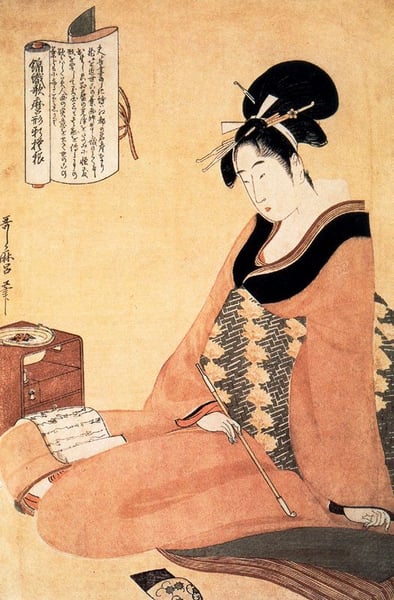
Woman Reading a Letter is a Baroque genre painting by Gabriel Metsu from 1666. The work depicts a woman engaged in the act of reading a letter, a subject characteristic of Dutch Golden Age painting's interest in domestic interiors and everyday moments.
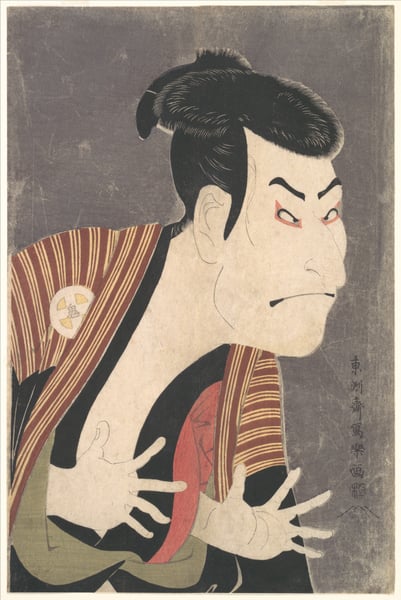
Tōshūsai Sharaku
Tōshūsai Sharaku's Ōtani Oniji III as Yakko Edobei is a woodblock print depicting the actor Ōtani Oniji III in the role of Yakko Edobei. The work belongs to the ukiyo-e tradition of Japanese printmaking.
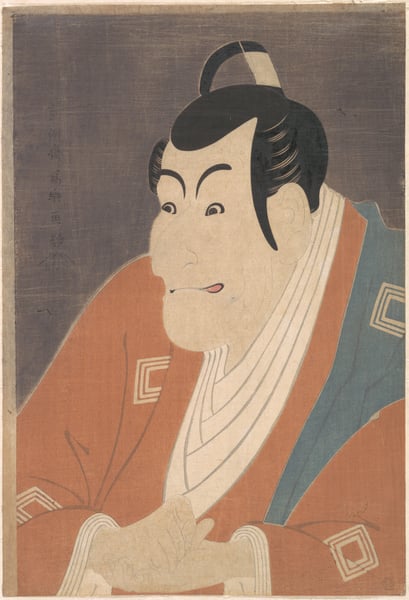
Tōshūsai Sharaku
Ichikawa Ebizō as Takemura Sadanoshin is a woodblock print by Tōshūsai Sharaku depicting the actor Ichikawa Ebizō in the role of Takemura Sadanoshin. Sharaku's work belongs to the ukiyo-e tradition of Japanese prints, which specialized in portraying kabuki actors and theatrical scenes.
Hishikawa Moronobu
Beauty Looking Back by Hishikawa Moronobu depicts a female figure turning to glance over her shoulder. The work exemplifies the ukiyo-e tradition of bijin-ga, or pictures of beautiful women, a genre in which Moronobu was a pioneering figure during Japan's Edo period.
Utagawa Kuniyoshi
Fuji from Gotenyama is a work by Utagawa Kuniyoshi.
Suzuki Harunobu
The Courtesan Hinazuru is a woodblock print by Suzuki Harunobu depicting a courtesan identified by that name.
Suzuki Harunobu
Crow and the Moon is a woodblock print by Suzuki Harunobu, a Japanese artist of the Edo period. The work depicts a crow and the moon, rendered in the ukiyo-e tradition that Harunobu helped pioneer as one of the first practitioners of full-color woodblock printing.
Utagawa Kunisada
Tōshōgū Shrine at Ueno is a woodblock print by Utagawa Kunisada depicting the shrine located at Ueno. The work belongs to the ukiyo-e tradition of Japanese printmaking.
Utagawa Kuniyoshi
Night Attack on the Faithful Samurai is a woodblock print by Utagawa Kuniyoshi.
Torii Kiyomasu
The Actor Ichikawa Danjūrō is a work by Torii Kiyomasu depicting a kabuki performer. The print belongs to the ukiyo-e tradition of Japanese woodblock art, in which Kiyomasu was a pioneering figure during the early 18th century.
Suzuki Harunobu
Suzuki Harunobu's Geisha and Attendant in Snow depicts two figures in a snowy setting. The work belongs to the ukiyo-e tradition, a genre of Japanese woodblock prints that flourished during the Edo period.
Utagawa Hiroshige
Views of Edo: Nihonbashi is a woodblock print by Utagawa Hiroshige depicting the Nihonbashi (Japan Bridge) in Edo. The work belongs to Hiroshige's series documenting views of the city, rendered in the ukiyo-e tradition of Japanese printmaking.
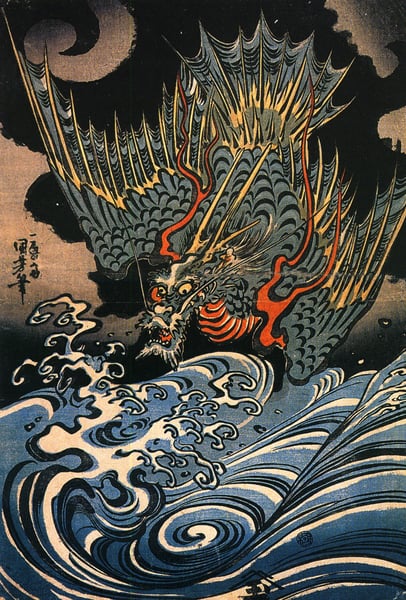
Utagawa Kunisada II · Ukiyo-e · mythological painting
The Dragon is a mythological painting by Utagawa Kunisada II executed in the ukiyo-e style.
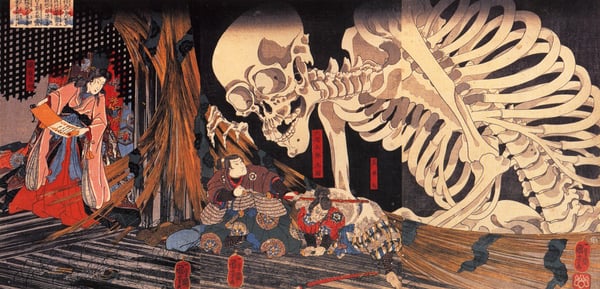
Utagawa Kuniyoshi
Skeleton Spectre is a work by Utagawa Kuniyoshi, the nineteenth-century Japanese woodblock printmaker known for his dynamic compositions and supernatural subjects. The title identifies the subject as a skeletal apparition, consistent with Kuniyoshi's interest in the dramatic and otherworldly themes that distinguished his career in the ukiyo-e tradition.
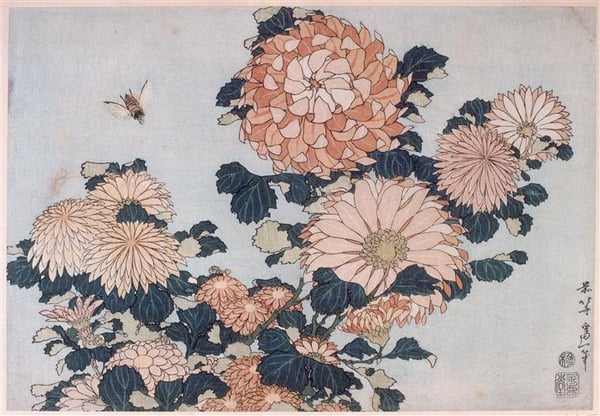
Katsushika Hokusai
Chrysanthemum and Bee is a work by Katsushika Hokusai.
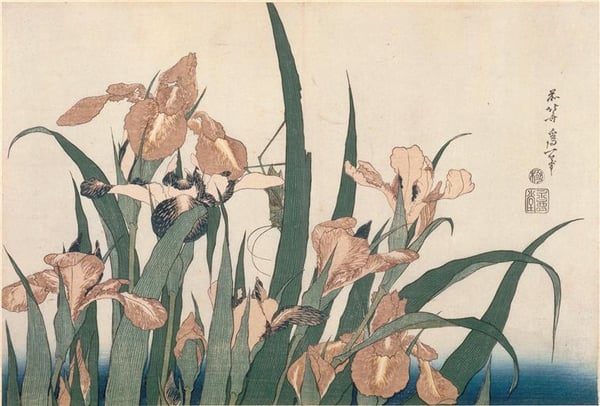
Katsushika Hokusai
Iris and Grasshopper is a work by Katsushika Hokusai.
Ancora nessun commento — scrivi il primo.