Expert Analysis: Number 29 by Jackson Pollock
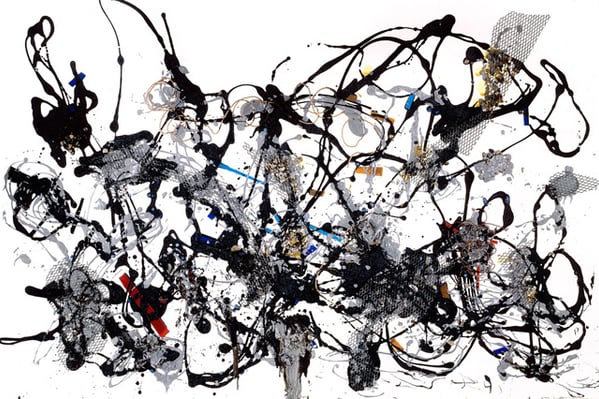
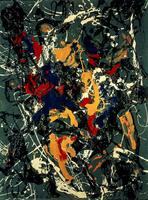
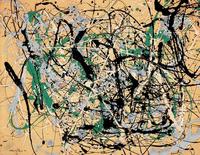
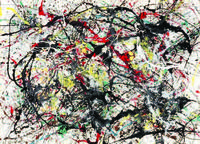
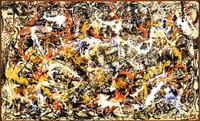
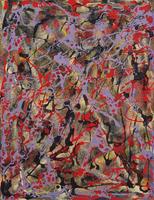
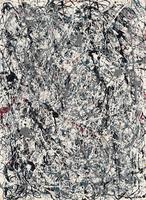
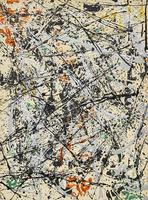
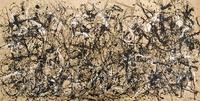
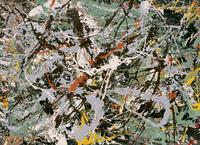
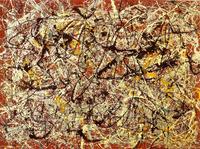
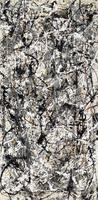
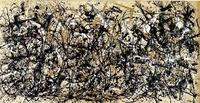
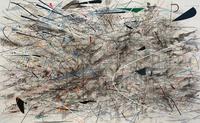
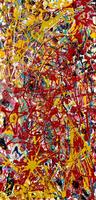
Executed during Pollock’s revolutionary Drip period, Number 29 stands as a landmark of Action painting—a style in which the canvas becomes an arena for the artist’s physical gesture. Rather than depicting a recognizable subject, Pollock’s abstract composition emphasizes the raw energy of creation itself.
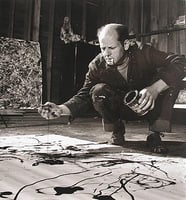
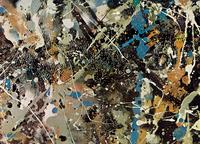
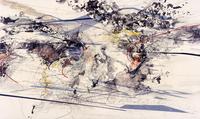
The work’s significance lies in its radical process: Pollock laid the canvas on the floor, then dripped, poured, and flung paint in rhythmic, all-over patterns. This method eliminated traditional brushwork and instead recorded the artist’s movements, making the act of painting the true subject. Number 29 exemplifies how Pollock transformed the canvas into a field of tension, where layered skeins of color create depth without perspective, and every drip holds the evidence of a spontaneous, bodily decision.
Within the Drip period, this piece illustrates the transition from pictorial space to pure optical energy—a hallmark that redefined abstract art and cemented Pollock’s role as a pioneer of post-war American modernism.