50 essential books from world literature that every reader should experience
CE
Caleido Editorial Team2026年6月1日読了 35 分2 回表示
Some books transcend their time and place to become part of our shared human heritage. They challenge us, move us, and change the way we see the world. From the windswept moors of Wuthering Heights to the magical streets of One Hundred Years of Solitude, these are the books that define literature.
This collection spans four centuries of storytelling, from Cervantes' groundbreaking Don Quixote to contemporary masterpieces like The Road. Together, they represent the diversity of human experience captured in prose — love, war, identity, justice, and the eternal search for meaning.
Use the checklist below to track your progress through this essential reading list.
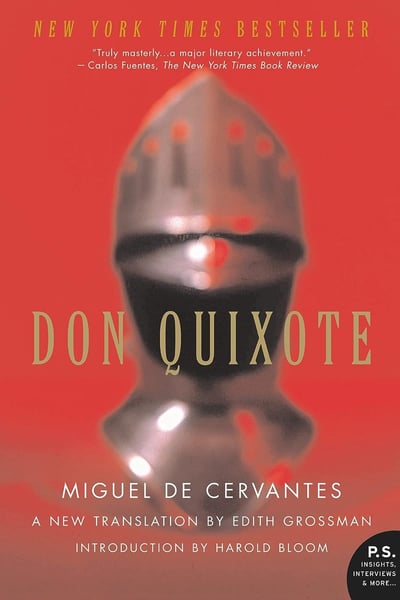
Miguel de Cervantes · Fiction, Knights and knighthood, Classic Literature
Cervantes's two-part novel follows an aging gentleman who, intoxicated by chivalric romances, sets out as a knight-errant with his squire Sancho Panza. Widely regarded as the first modern novel, it blends comedy and pathos to probe idealism, illusion, and reality.
Austen's novel traces the spirited Elizabeth Bennet and her evolving relationship with the proud Mr. Darcy. Through wit and irony it examines marriage, class, and reputation in Regency England, satirizing the social pressures placed on women.
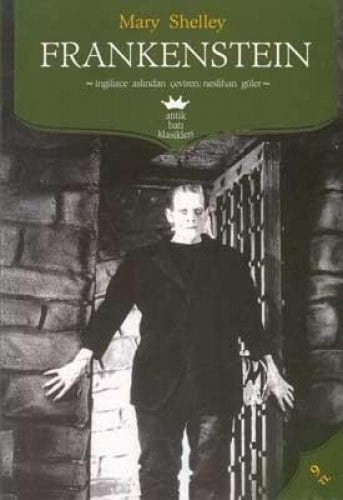
Shelley's novel recounts Victor Frankenstein's creation of a living being and the catastrophe that follows when he abandons it. Often considered an early work of science fiction, it explores ambition, creation, and the moral responsibility of the maker toward the made.
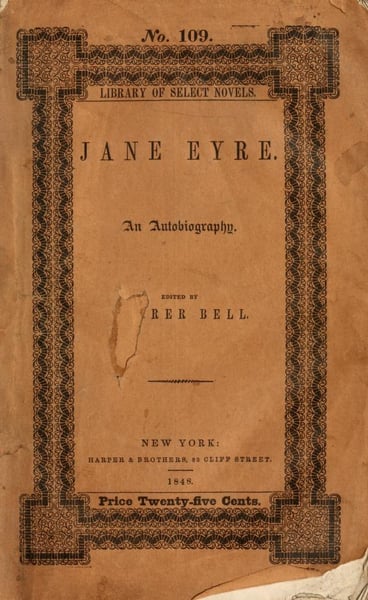
Brontë's novel follows the orphaned Jane from a harsh childhood to her work as a governess at Thornfield and her fraught love for Mr. Rochester. A landmark of first-person narration, it asserts a woman's moral independence, conscience, and desire for equality.
Brontë's only novel charts the destructive passion between Heathcliff and Catherine Earnshaw across two generations on the Yorkshire moors. Its layered narration and bleak intensity explore obsession, revenge, and the corrosive effects of thwarted love.
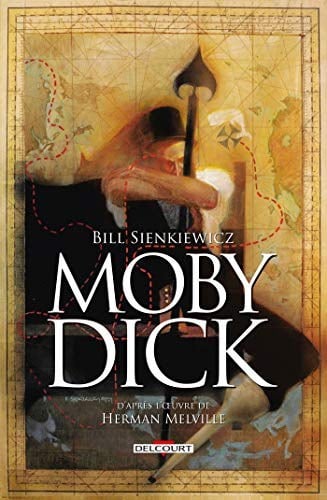
Melville's novel follows the sailor Ishmael aboard the Pequod as Captain Ahab pursues the white whale that maimed him. Combining adventure, philosophy, and digressions on whaling, it examines obsession, fate, and humanity's struggle against nature.
Gustave Flaubert · literary fiction, French literature, Fiction
Charles Bovary, médecin de campagne, veuf d'une mégère, fait lors d'une tournée la rencontre du père Rouault et de sa fille, Emma. Après leur mariage, Emma reste insatisfaite et rêve d'une nouvelle vie. Son premier amant lui donne le goût du luxe et fait miroiter un avenir à deux avant de l'abandonner. Une fois remise, Emma continue à faire de folles dépenses, qui peu à peu la mènent à la ruine...
Charles Dickens · Fiction, Orphans, Social classes
Dickens's novel follows the orphan Pip from a humble forge to genteel society after a mysterious benefactor funds his rise. It examines ambition, social class, guilt, and the meaning of being a gentleman in Victorian England.
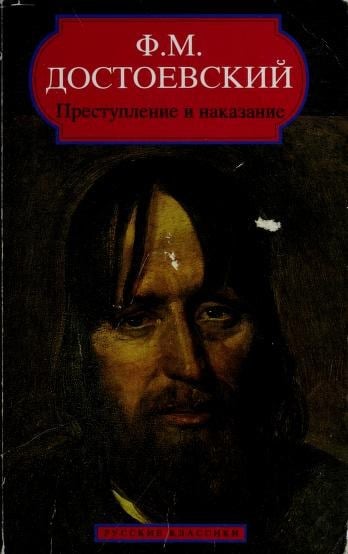
Dostoevsky's novel follows the impoverished ex-student Raskolnikov, who murders a pawnbroker to test his theory of the extraordinary man, then grapples with guilt and conscience. It is a foundational work of psychological fiction and moral philosophy.
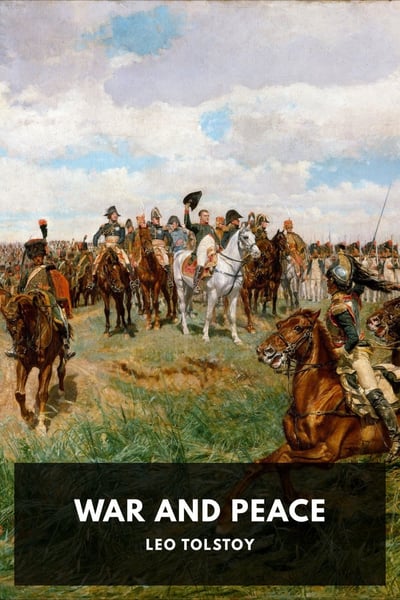
Tolstoy's epic follows several aristocratic families through Russian society during the Napoleonic Wars and the 1812 French invasion. Interweaving private lives with sweeping history, it reflects on war, free will, and the forces that shape human events.
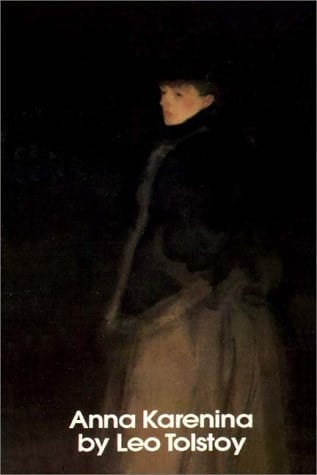
Tolstoy's novel of nineteenth-century Russian society interweaves the tragic adulterous affair of Anna with Count Vronsky and the spiritual searching of Konstantin Levin, probing love, marriage, faith, and social hypocrisy.
Fyodor Dostoevsky · Russian literature, Classics, Fathers and sons
Dostoevsky's final novel centers on the murder of a father and the entangled guilt of his sons, dramatizing conflicts of faith, doubt, free will, and morality in nineteenth-century Russia.
Oscar Wilde · British and Irish fiction, Conduct of life, Fantasy fiction
Wilde's only novel follows a young man whose portrait ages and bears the marks of his corruption while he stays outwardly youthful, exploring aestheticism, hedonism, and moral decay.
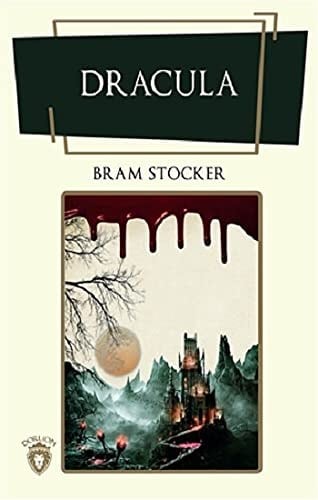
Stoker's epistolary novel chronicles Count Dracula's move from Transylvania to England and the group who hunt him, shaping the modern vampire myth and Gothic horror tradition.
Joseph Conrad · Fiction, Imperialism, Colonization
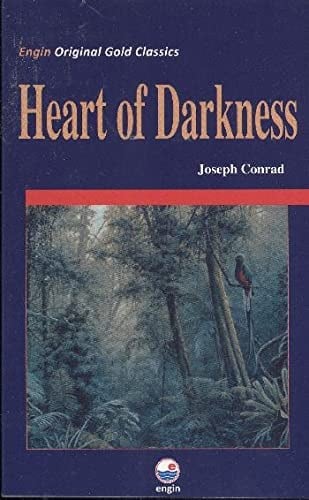
Conrad's novella follows Marlow's journey up the Congo to find the trader Kurtz, offering a dark meditation on European imperialism, moral corruption, and the limits of civilization.
James Joyce · Fiction, Psychological fiction, Male friendship
Joyce's landmark modernist novel traces a single day in Dublin through Leopold Bloom, Stephen Dedalus, and Molly Bloom, paralleling Homer's Odyssey with stream-of-consciousness narration.
E. M. Forster · Fiction, Race relations, Imperialism
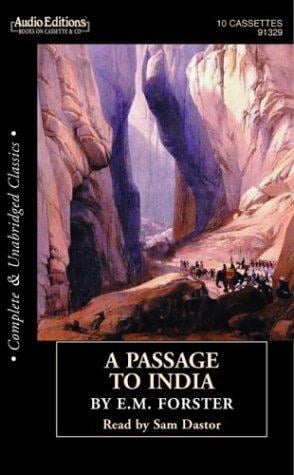
Forster's novel examines British colonial rule in India through the accusation against Dr. Aziz after an incident in the Marabar Caves, exposing the strains of racial and cultural division.
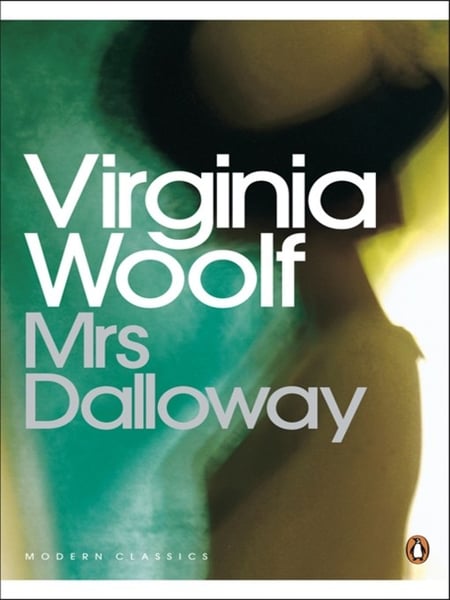
Woolf's novel follows a single day as Clarissa Dalloway prepares for a party in postwar London, using stream of consciousness to weave together memory, time, and the shadow of Septimus Smith's trauma.
F. Scott Fitzgerald · American fiction, Rich people, Psychological fiction
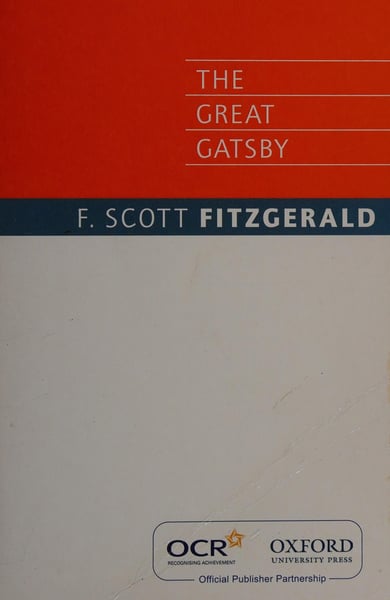
Fitzgerald's novel, narrated by Nick Carraway, follows the wealthy Jay Gatsby's obsessive pursuit of Daisy Buchanan, dissecting the American Dream and disillusionment in the Jazz Age.
Franz Kafka · Fiction, Allegorical fiction, Trials
Kafka's unfinished novel follows Josef K., arrested and prosecuted by an inscrutable authority for an unnamed crime, a defining portrait of bureaucratic absurdity, alienation, and existential dread.
William Faulkner · Death, Brothers and sisters, Aristocracy (Social class)
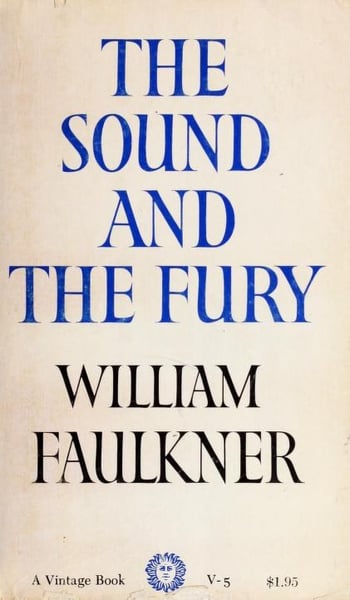
Faulkner's modernist novel recounts the decline of the Compson family through four fragmented narratives, employing stream-of-consciousness and shifting time to explore memory, loss, and the disintegration of the old American South.
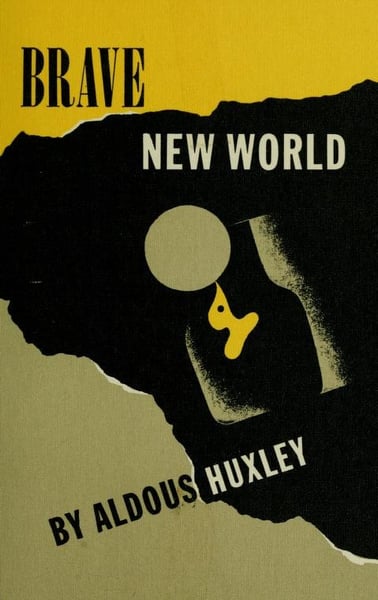
Aldous Huxley · Utopias, Brainwashing, Science and state
Huxley's dystopia imagines a future World State that engineers contentment through genetic conditioning, consumerism, and the drug soma, raising questions about freedom, individuality, and the cost of a society organized for stability and pleasure.
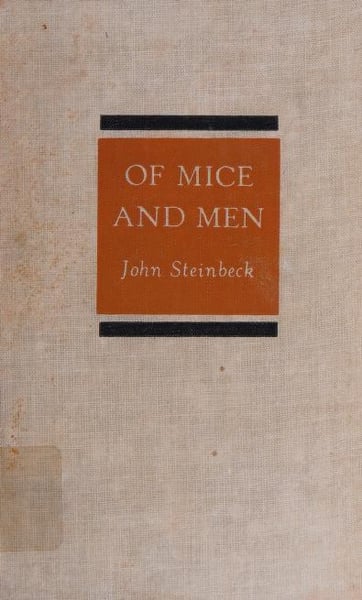
John Steinbeck · Psychological fiction, Male friendship, Classics
Steinbeck's novella follows migrant workers George and Lennie during the Great Depression as they chase a dream of land of their own, exploring friendship, loneliness, and the fragility of hope amid hardship.
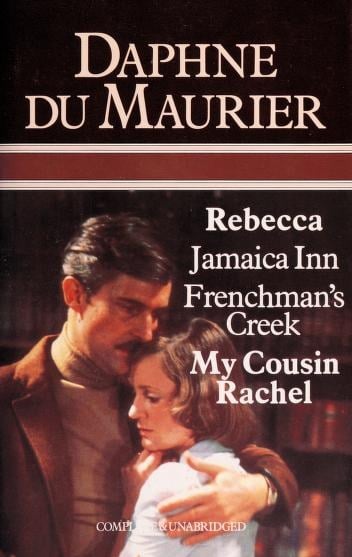
Daphne du Maurier · Married women, Cornwall (England), Remarriage
Du Maurier's gothic novel follows a young second wife haunted by the lingering presence of her husband's first wife, Rebecca, at the Manderley estate, weaving suspense, jealousy, and psychological tension.
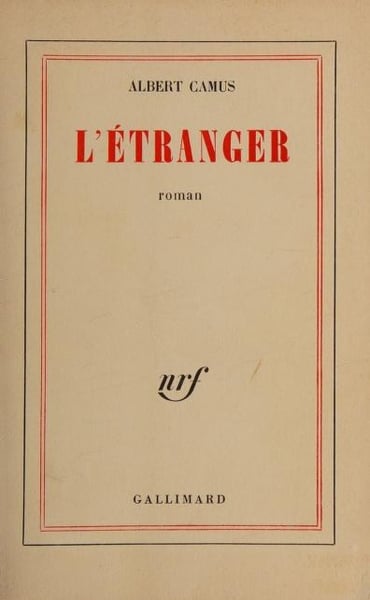
Albert Camus · Philosophical novels, Murder, Fiction
Camus's novel of the absurd follows Meursault, an emotionally detached Algerian Frenchman whose indifference and a senseless killing lead to his trial, dramatizing themes of alienation, mortality, and the meaninglessness of existence.
George Orwell · Censorship, Surveillance, Totalitarianism
Orwell's dystopia depicts Winston Smith's rebellion against a totalitarian regime that controls truth, language, and thought through perpetual surveillance, exploring power, freedom, and the manipulation of reality.
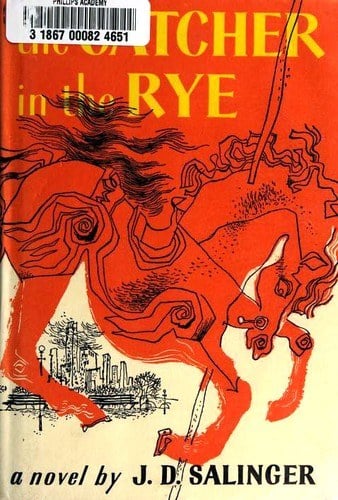
J. D. Salinger · Runaway teenagers, Adolescence, Teenage boys
Salinger's novel follows disaffected teenager Holden Caulfield over a few days in New York City after his expulsion from prep school, capturing adolescent alienation, grief, and the search for authenticity.
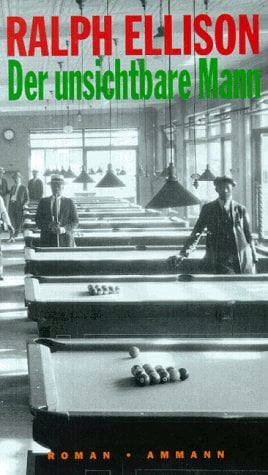
Ralph Ellison · African American men, African Americans, Race relations
Ellison's novel follows an unnamed Black narrator's journey through racism and ideological betrayal in mid-century America, using the metaphor of invisibility to examine identity, race, and the struggle for individual recognition.
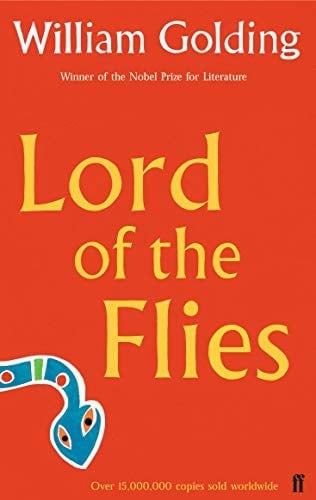
Golding's novel strands a group of British schoolboys on an uninhabited island, where their attempt at self-government collapses into savagery, offering a grim allegory about human nature and the fragility of civilization.
J. R. R. Tolkien · Fantasy fiction, Middle Earth (Imaginary place), Epic fiction
Tolkien's epic fantasy chronicles the quest to destroy the One Ring and defeat the dark lord Sauron, following hobbits, men, and allies across Middle-earth in a sweeping tale of friendship, sacrifice, and the struggle against evil.
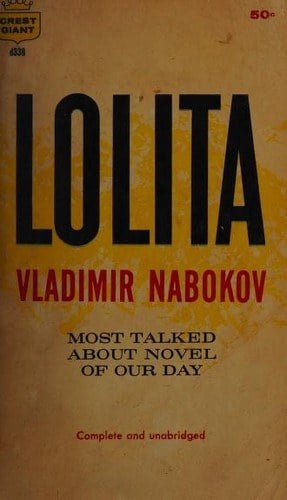
Vladimir Nabokov · Fiction, Literary fiction, Love stories
Vladimir Nabokov's novel narrated by Humbert Humbert, a European émigré whose obsessive fixation on twelve-year-old Dolores Haze drives the plot, renowned for its stylistic virtuosity and morally disturbing, unreliable narration.
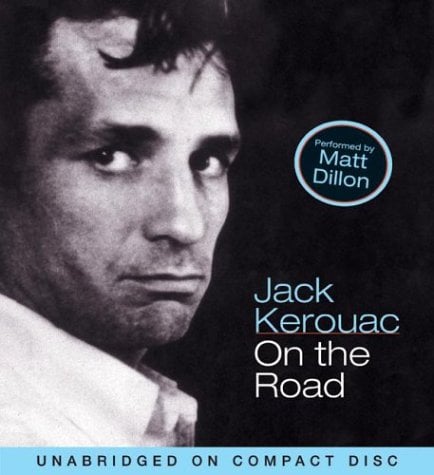
Jack Kerouac · Beat generation, Autobiographical fiction, American literature
Jack Kerouac's defining Beat Generation novel follows Sal Paradise and Dean Moriarty on restless journeys across America, capturing postwar youth's search for freedom, experience, and meaning in spontaneous prose.
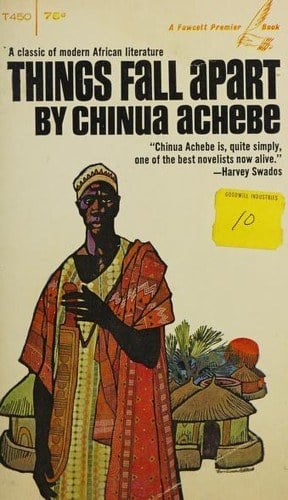
Chinua Achebe · Igbo (African people), British colonialism, Nigeria
Chinua Achebe's debut novel portrays Okonkwo, a leader in a pre-colonial Igbo community, as British colonialism and Christian missionaries disrupt traditional life, offering an influential African perspective on cultural collision.
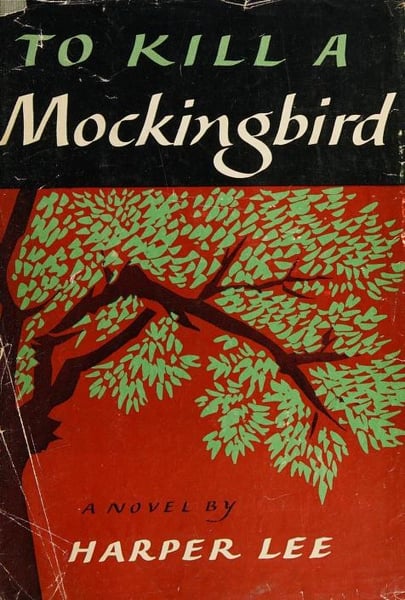
Harper Lee · Fiction, Racial injustice, Southern life
Harper Lee's novel, set in 1930s Alabama, follows young Scout Finch as her father Atticus defends a Black man falsely accused of rape, examining racial injustice and moral conscience in the American South.
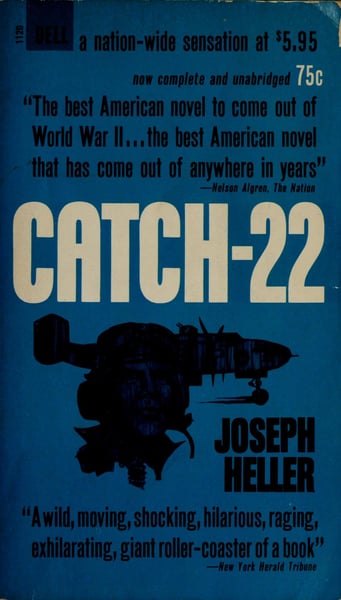
Joseph Heller · Satire, War stories, World War, 1939-1945
Joseph Heller's satirical novel follows bombardier Yossarian on a WWII air base, where absurd military bureaucracy—epitomized by its self-contradicting 'catch-22' logic—traps airmen in a darkly comic struggle for survival.
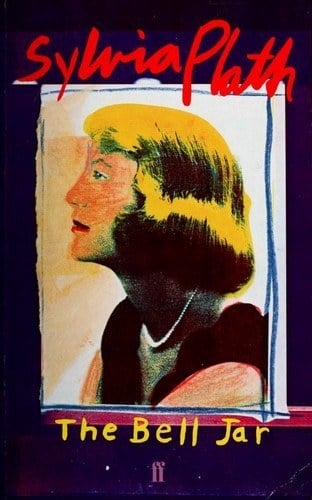
Sylvia Plath · women college students, summer, Classics
The Bell Jar is the only novel written by American poet Sylvia Plath. It is an intensely realistic and emotional record of a successful and talented young woman's descent into madness.
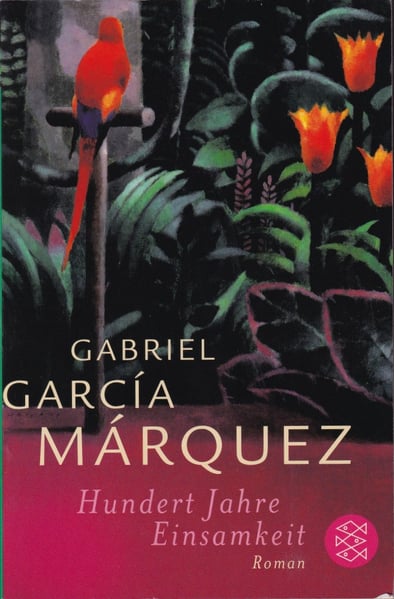
Gabriel García Márquez · Magic realism, Latin American literature, Macondo (Imaginary place)
Gabriel García Márquez's landmark of magical realism chronicles seven generations of the Buendía family in the fictional town of Macondo, weaving the marvelous and the historical into a sweeping meditation on solitude and cyclical fate.
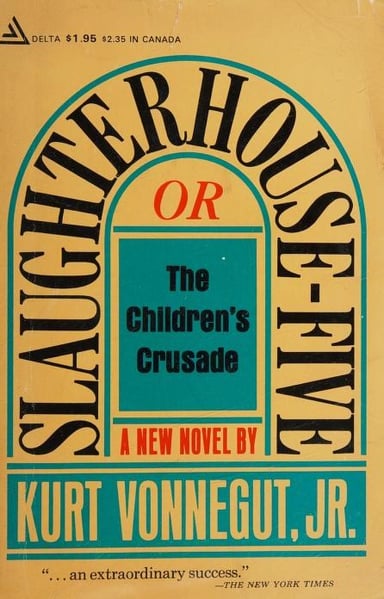
Kurt Vonnegut · War stories, World War, 1939-1945, Bombing of Dresden
Kurt Vonnegut's anti-war novel follows Billy Pilgrim, 'unstuck in time,' through his survival of the Dresden firebombing and encounters with alien Tralfamadorians, blending science fiction with reflection on war and mortality.
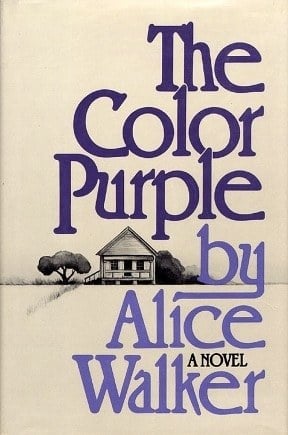
Alice Walker · African American women, Epistolary fiction, Social life and customs
Alice Walker's Pulitzer Prize-winning epistolary novel follows Celie, a poor Black woman in the early 20th-century American South, as she endures abuse and gradually finds self-worth, love, and independence.
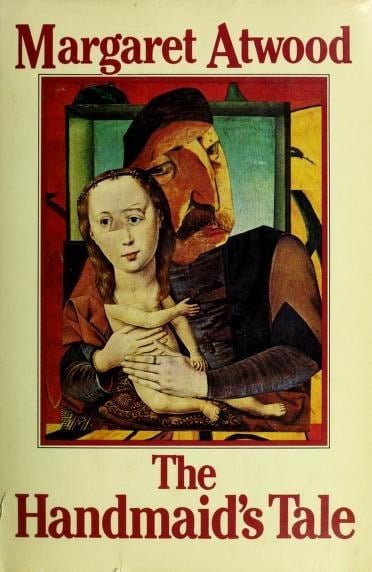
Margaret Atwood · Dystopias, Christian fundamentalism, Women's rights
Margaret Atwood's dystopian novel is narrated by Offred, a handmaid in the theocratic Republic of Gilead, where women are stripped of rights and valued for reproduction, exploring power, gender, and resistance.
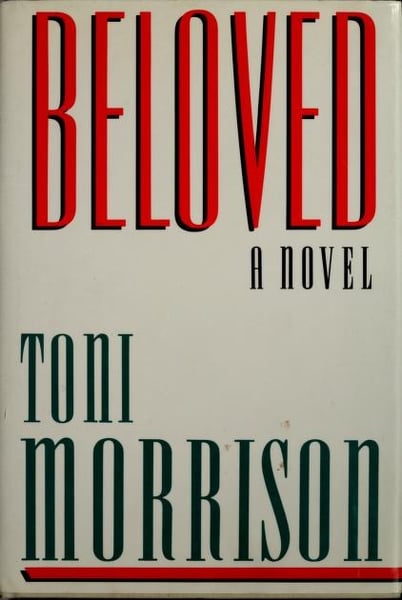
Toni Morrison · African American fiction, Slavery, Historical fiction
Set after the American Civil War, Toni Morrison's novel follows a formerly enslaved woman haunted by the ghost of her dead daughter, confronting the lasting trauma of slavery, memory, and motherhood. It won the 1988 Pulitzer Prize for Fiction.
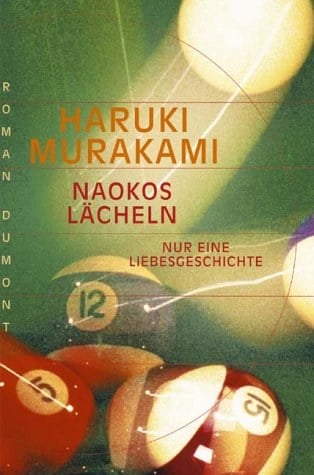
Haruki Murakami · Japanese fiction, College students, Man-woman relationships
Haruki Murakami's coming-of-age novel follows a Tokyo student in the late 1960s navigating love, loss, and mental illness among those close to him. Its nostalgic realism brought Murakami mass popularity in Japan.
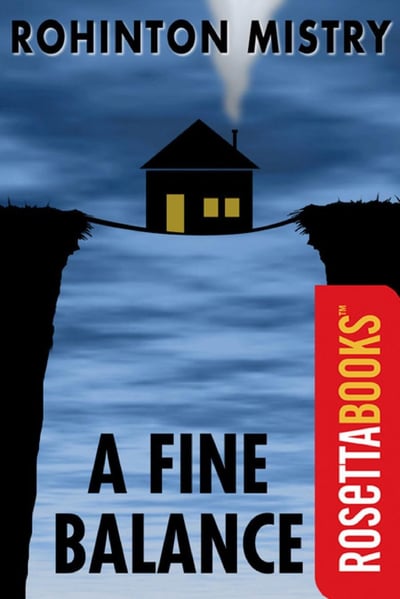
Rohinton Mistry · Indian fiction, Caste, The Emergency (India)
Set in 1970s India during the State of Emergency, Rohinton Mistry's novel interweaves the lives of four strangers sharing a flat, depicting endurance amid caste oppression, poverty, and political upheaval.
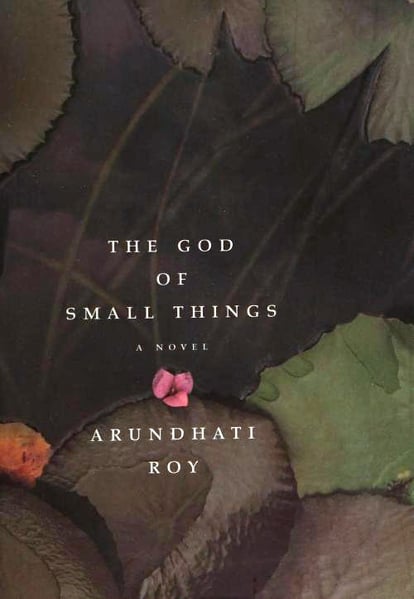
Arundhati Roy's debut traces fraternal twins in Kerala whose childhood is shattered by family tragedy and the rigid social and caste rules governing love. It won the 1997 Booker Prize.
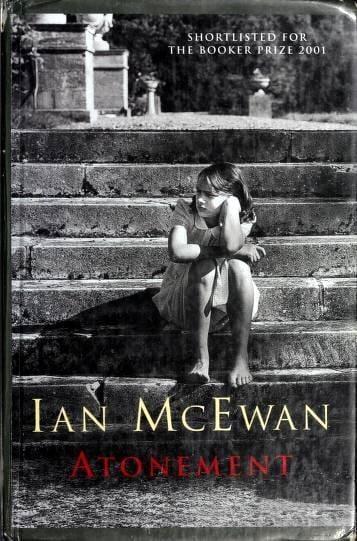
Ian McEwan's novel turns on a young girl's misinterpretation of an event that destroys two lovers' lives, then examines guilt, memory, and the redemptive and deceptive power of fiction across decades including World War II.
Yann Martel · Canadian fiction, Survival at sea, Shipwrecks
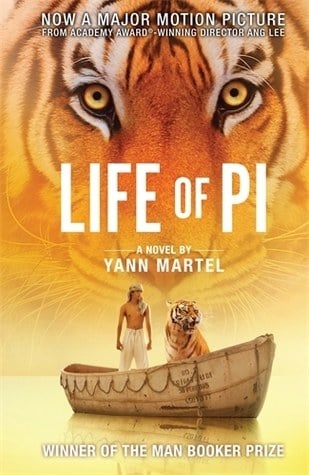
Yann Martel's novel recounts an Indian boy stranded on a Pacific lifeboat with a Bengal tiger, exploring faith, storytelling, and the will to survive. It won the 2002 Man Booker Prize.
Carlos Ruiz Zafón · Spanish fiction, Barcelona, Books and reading
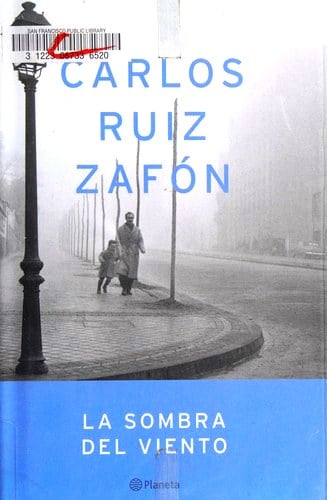
Carlos Ruiz Zafón's novel, set in post-Civil War Barcelona, follows a boy who discovers a forgotten book and is drawn into a mystery surrounding its author. It opens his Cemetery of Forgotten Books cycle.
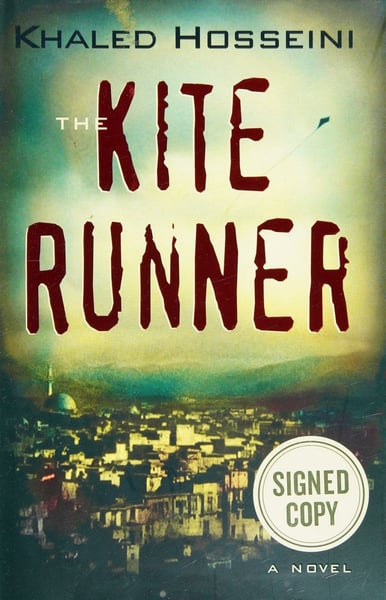
Khaled Hosseini · New York Times bestseller, nyt:trade_fiction_paperback=2008-10-26, Male friendship
The unforgettable, heartbreaking story of the unlikely friendship between a wealthy boy and the son of his father’s servant, The Kite Runner is a beautifully crafted novel set in a country that is in the process of being destroyed. It is about the power of reading, the price of betrayal, and the possibility of redemption; and an exploration of the power of fathers over sons—their love, their sa...
Kazuo Ishiguro · English fiction, Science fiction, Cloning
Kazuo Ishiguro's dystopian novel narrates the lives of students at an English boarding school who gradually learn their grim purpose, probing memory, mortality, and what it means to be human.
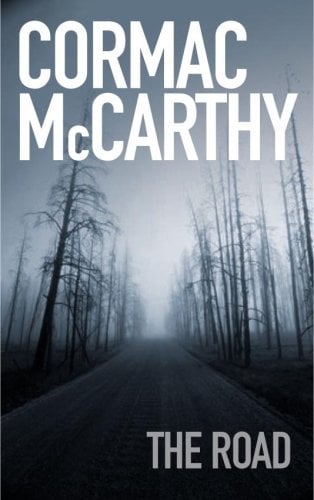
Cormac McCarthy's spare novel follows a father and son journeying across a devastated, post-apocalyptic America, dramatizing survival, love, and moral endurance. It won the 2007 Pulitzer Prize for Fiction.







まだコメントはありません — 最初に投稿しましょう。