Seven books about surveillance, wellness and the houses we inherit
CE
Caleido Editorial Team2026年7月25日読了 8 分0 回表示
Horror's preoccupation in the first half of 2026 is being watched — and the particular modern horror of being watched by someone who thinks they are improving you.
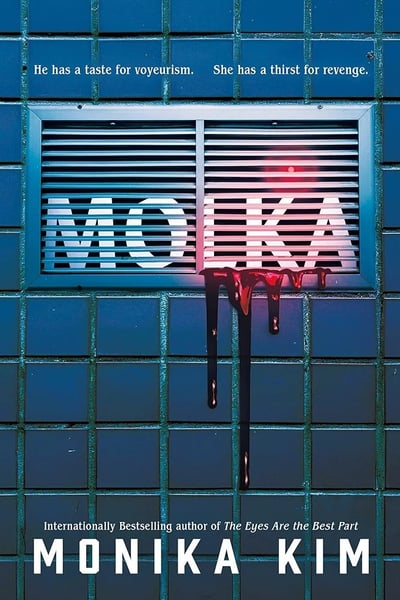
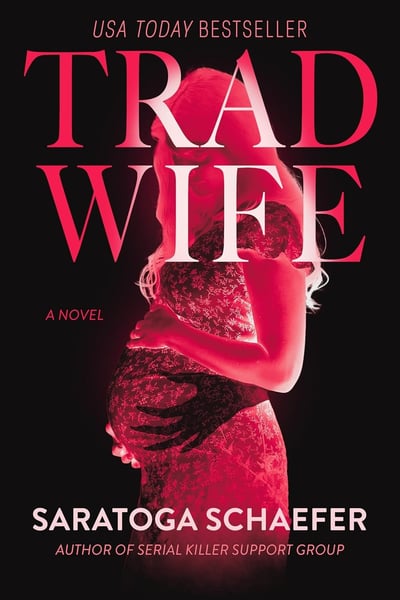
Monika Kim's Molka takes its title from the South Korean term for spy-camera crime and follows both the man installing the cameras and the woman he fixes on. Saratoga Schaefer's Trad Wife gives a wellness influencer the pregnancy she wished for and lets it progress far too quickly. Sarah Gailey's Make Me Better sends a lonely woman into a community promising transformation without suffering, which is never a promise anyone keeps.
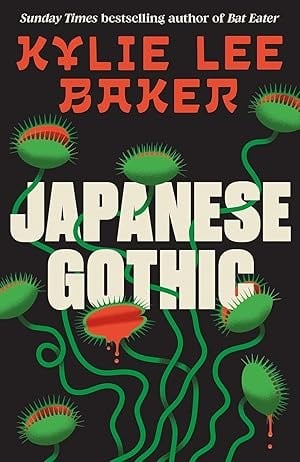
The rest is inheritance. Johanna van Veen and Marcus Kliewer both write houses with prior claims on their occupants; Kylie Lee Baker relocates the gothic to Meiji-era Japan; T. Kingfisher does what T. Kingfisher does, which is make something with too many teeth genuinely funny before it stops being funny.
An IT technician installs hidden cameras in the women's facilities at work and fixes on one of them; the novel refuses to let you look away from either side of the lens. Kim writes feminine rage as a response with its own logic, and the ending is not cathartic in the way you expect.
An influencer whose entire brand is domestic submission makes a wish at an old well and gets pregnant. The pregnancy progresses far too fast and the cravings are wrong. Body horror aimed squarely at a very current internet aesthetic, and it does not miss.
Kingfisher's reliable trick — practical, funny, unglamorous protagonists confronted with something biologically appalling — applied to a folk horror about what is under the ground. The comedy is what makes the dread land.
The gothic relocated to Meiji-era Japan, where the Western house and the Western marriage are themselves the foreign intrusions. Baker uses the genre's furniture — the isolated estate, the unreliable husband — to write about cultural occupation.
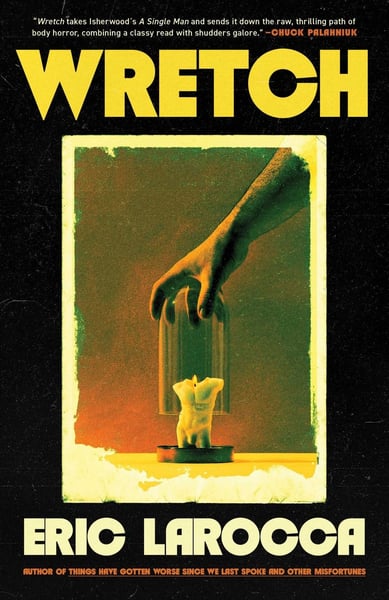
LaRocca continues to write the most transgressive horror currently being published by a major house — intimate, epistolary, interested in the point where devotion becomes degradation. Not for everyone, entirely deliberately.
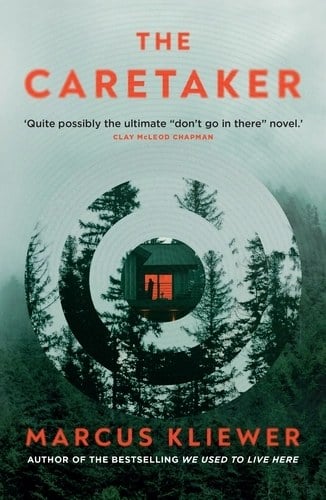
Kliewer's follow-up to We Used to Live Here, and the same instinct for domestic wrongness: a house, a job looking after it, and a set of rules that sound reasonable until you notice what they are protecting.
Van Veen writes gothic horror in which the haunting is a relationship rather than an event — two people bound by something that is not quite love and not quite possession. Lush, claustrophobic, and unusually good on consent.
How this list was made
Compiled from Book Riot's scariest horror books of 2026 and its mid-year fiction selection, plus horror coverage at Bloody Disgusting and in the genre press. Only books published on or before 26 July 2026 with an Open Library record are included.


まだコメントはありません — 最初に投稿しましょう。