20 essential works exploring freedom, meaning, and the human condition
CE
Caleido Editorial Team2026年6月1日読了 20 分0 回表示
Existentialism — the philosophical movement that swept through Europe in the 20th century — grapples with the most fundamental questions of human existence: What gives life meaning? Are we truly free? How do we face the absurdity of existence?
From Kierkegaard's leap of faith to Camus's embrace of the absurd, from Sartre's radical freedom to Beauvoir's ethics of ambiguity, these 20 works represent the essential canon of existentialist literature. They include novels, plays, and philosophical essays that have shaped modern thought and continue to resonate with readers confronting the challenges of contemporary life.
Use the checklist below to track your journey through existentialist thought.
Søren Kierkegaard · Christianity, Faith and reason, Self-denial
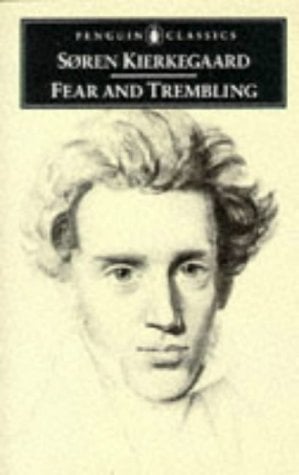
Published in 1843 under the pseudonym Johannes de Silentio, Kierkegaard's meditation on Abraham's binding of Isaac introduces the 'teleological suspension of the ethical' and the 'leap of faith,' arguing that authentic faith transcends universal moral reason.
Søren Kierkegaard · Ethics, Philosophy, Danish philosophy
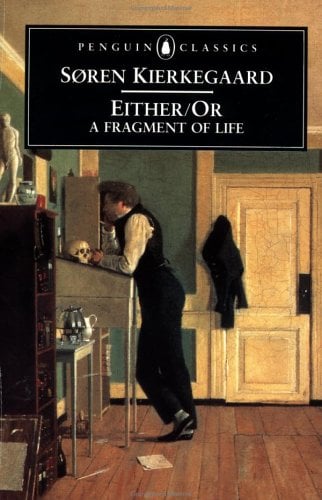
Kierkegaard's two-volume work stages a confrontation between the aesthetic and ethical modes of life through contrasting pseudonymous papers, posing the existential choice between immediate pleasure and committed moral responsibility.
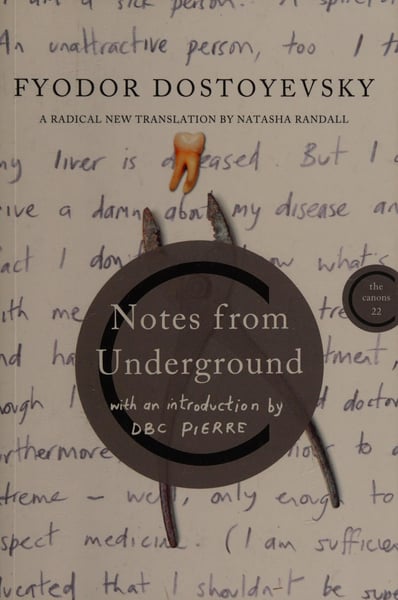
Narrated by an alienated, spiteful civil servant, this novella attacks rationalist utopianism and the idea that humans act in their own interest, anticipating existentialist themes of irrationality, freedom, and self-conscious paralysis.
Fyodor Dostoevsky · Psychological fiction, Fathers and sons, Brothers
Dostoevsky's final novel follows the Karamazov brothers amid their father's murder, weaving a drama of faith, doubt, and moral freedom that includes the parable of the Grand Inquisitor and a searching examination of God and human responsibility.
Friedrich Nietzsche · German philosophy, Philosophy, Übermensch
Through the prophet Zarathustra's speeches, Nietzsche develops the ideas of the Übermensch, the death of God, the will to power, and eternal recurrence, calling for a revaluation of values after the collapse of traditional morality.
Hamsun's novel traces the spiraling thoughts of a starving young writer wandering Kristiania, pioneering an interior, stream-of-consciousness psychology that broke with realist convention and influenced modernist and existential fiction.
Hermann Hesse · Psychological fiction, Alienation, German literature
Hesse's novel portrays Harry Haller, a middle-aged man torn between his human and 'wolf' natures, whose crisis of isolation and despair gives way to a surreal exploration of the multiplicity of the self and the possibility of transformation.
Martin Heidegger · Ontology, Existentialism, Dasein
Heidegger's foundational treatise reframes the question of the meaning of Being through an analysis of human existence (Dasein), examining temporality, being-toward-death, and authenticity as central to fundamental ontology.
Jean-Paul Sartre · Existentialism, Fiction, French literature
Written as the diary of Antoine Roquentin, Sartre's first novel dramatizes the experience of 'nausea' before the brute contingency of existence, giving narrative form to existentialist themes of freedom, absurdity, and the groundlessness of being.
Albert Camus · French literature, Absurdism, Alienation
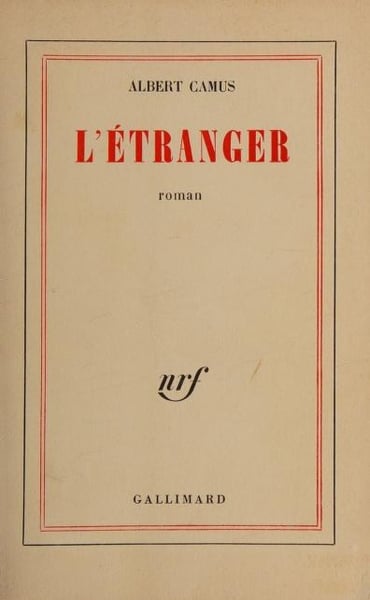
Camus's novel follows Meursault, an emotionally detached Algerian Frenchman whose indifference and a senseless killing lead to his condemnation, illustrating the philosophy of the absurd and the confrontation between human indifference and society's demand for meaning.
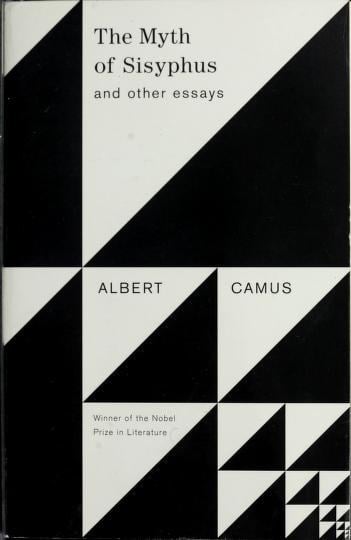
Albert Camus · Absurd (philosophy), Existentialism, Suicide
Camus's philosophical essay confronts the absurd—the conflict between humanity's search for meaning and a silent, indifferent universe—and argues that one can live without appeal, embracing revolt, freedom, and passion rather than suicide or false hope.
Sartre's foundational treatise of phenomenological ontology distinguishes being-in-itself from being-for-itself and develops his account of radical freedom, bad faith, and the nothingness consciousness introduces into the world.
Jean-Paul Sartre · French drama, Existentialism, Hell
Sartre's one-act play traps three strangers together in a windowless room that turns out to be hell, dramatizing his idea that 'hell is other people' as each becomes the tormentor of the others through the inescapable gaze of consciousness.
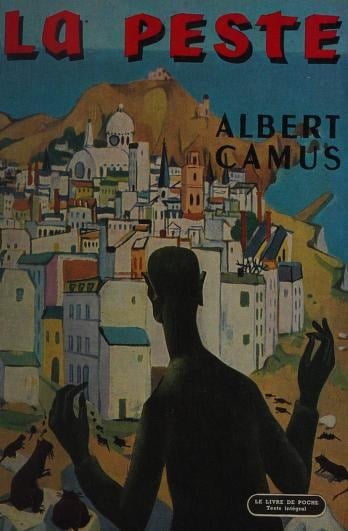
Camus's novel chronicles an outbreak of plague in the Algerian city of Oran, using the epidemic as an allegory for human suffering and for collective resistance, in which characters find meaning through solidarity and persistent, unheroic struggle against the absurd.
Beauvoir's two-volume study examines how women have been constructed as the 'Other' across biology, history, myth, and lived experience, arguing that 'one is not born, but rather becomes, a woman'—a founding text of existentialist feminist thought.
Samuel Beckett · Irish drama, Theatre of the Absurd, Drama
Beckett's tragicomedy follows Vladimir and Estragon as they wait endlessly for the never-arriving Godot, a landmark of the Theatre of the Absurd that distills human existence into repetition, uncertainty, and the search for meaning amid inaction.
Albert Camus · Existentialism, Conscience, French fiction
Camus's final completed novel takes the form of a monologue by Jean-Baptiste Clamence, a former Parisian lawyer turned 'judge-penitent' in an Amsterdam bar, whose confession exposes guilt, hypocrisy, and the impossibility of innocence in modern life.
Albert Camus · Revolution, Philosophy, Existentialism
Camus's extended essay analyzes metaphysical and historical rebellion, tracing how revolt can curdle into murderous ideology, and argues for an ethics of measure and limits that affirms human solidarity while rejecting both nihilism and revolutionary terror.
Sartre's lecture defends existentialism against its critics, asserting that existence precedes essence, that humans are condemned to be free, and that in choosing for oneself one chooses for all humanity, making the philosophy a humanism of responsibility.
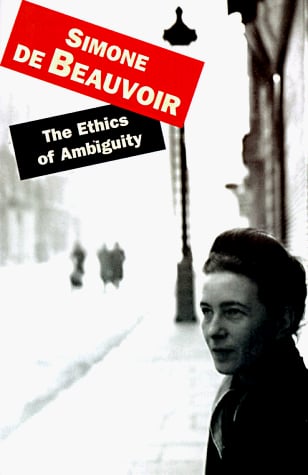
Simone de Beauvoir · Ethics, Existentialism, Ambiguity
Beauvoir's essay builds an existentialist ethics on the ambiguity of the human condition, arguing that genuine freedom requires willing the freedom of others and confronting moral choice without recourse to absolute values.













まだコメントはありません — 最初に投稿しましょう。