25 meesterwerken van magisch realisme, revolutionair proza en de Latijns-Amerikaanse literaire explosie
CE
Caleido Editorial Team1 juni 202622 min lezen0 weergaven
Halverwege de twintigste eeuw deed een literaire aardbeving de wereld schudden vanuit Latijns-Amerika. Bekend als de Boom, produceerde deze buitengewone beweging enkele van de meest inventieve, gepassioneerde en politiek geladen literatuur ooit geschreven. Schrijvers als García Márquez, Borges en Cortázar doorbraken de grenzen tussen werkelijkheid en fantasie.
Maar het verhaal van de Latijns-Amerikaanse literatuur reikt veel verder dan de Boom. Van de gaucho-poëzie van de Argentijnse pampa's tot de feministische stemmen van Brazilië, deze traditie is even uitgestrekt als het continent zelf.
Gebruik de checklist om deze essentiële werken van de Latijns-Amerikaanse literatuur te verkennen.
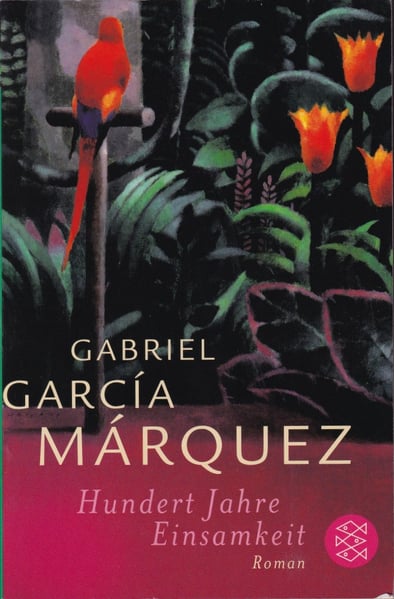
Gabriel García Márquez · Fiction, Magic realism, Macondo (Imaginary place)
Honderd jaar eenzaamheid is een roman van de Colombiaanse Nobelprijswinnaar Gabriel García Márquez, in het Nederlands vertaald door C.A.G. van den Broek. Het boek is een kroniek van de familie Buendía, waarvan de stamvader het stadje Macondo stichtte. Over verschillende generaties heen wordt de familiegeschiedenis van de Buendía's verteld, waarbij realistische elementen vermengd worden met magi...
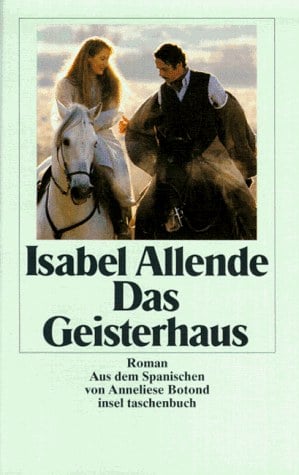
Allende's debut novel follows three generations of the Trueba family, blending domestic saga with the political upheaval of twentieth-century Chile. It interweaves spiritualism and realism to examine memory, patriarchy, and social struggle.
Juan Rulfo · Fiction, Mexican literature, Spanish language
Rulfo's fragmented novel follows Juan Preciado to the ghost town of Comala in search of his father, Pedro Páramo, only to find it peopled by the dead. Its nonlinear structure and blurring of life and death deeply influenced later magical realism.
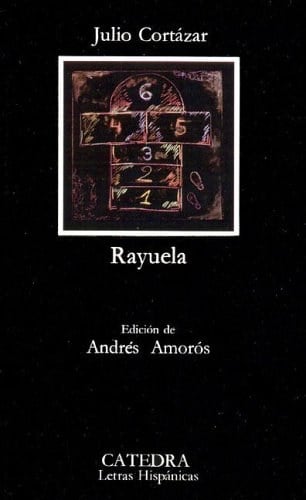
Julio Cortázar · Argentine fiction, Fiction, Spanish fiction
Cortázar's experimental novel can be read sequentially or by following a 'table of instructions' that hops between chapters. Centered on Horacio Oliveira between Paris and Buenos Aires, it interrogates love, chance, and the nature of the novel itself.
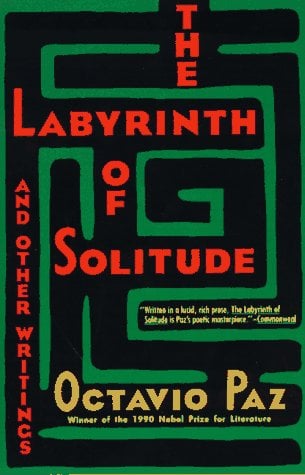
Octavio Paz · Essays, Mexican national characteristics, Social life and customs
Paz's book-length essay analyzes Mexican identity, history, and psychology, exploring themes of solitude, masks, and the legacy of conquest. It remains a defining interpretive work on the national character of Mexico.
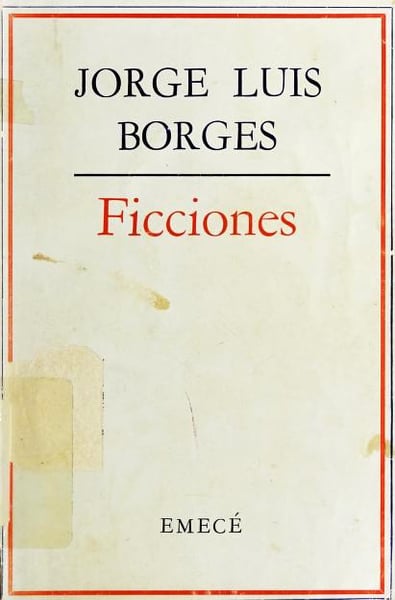
Jorge Luis Borges · Short stories, Speculative fiction, Argentine fiction
Fantastische verhalen is een verhalenbundel van de Spaanstalige Argentijnse schrijver Jorge Luis Borges. Het geldt als een van de belangrijkste werken in Spaans-Amerikaanse fantastische literatuur van de twintigste eeuw en volgens menigeen in de wereldliteratuur. ‘Le Monde’ koos het boek in 1996 in een overzicht van de beste literaire werken uit de twintigste eeuw en in 2002 werd het opgenomen ...
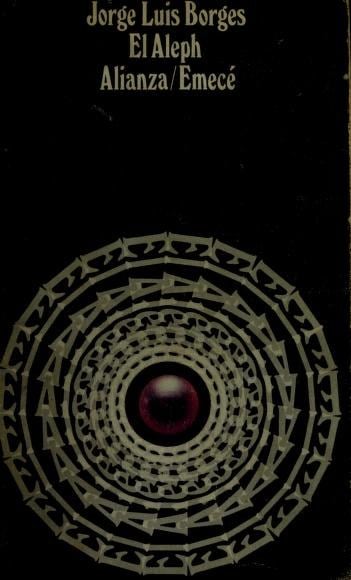
Jorge Luis Borges · Short stories, Argentine fiction, Fantastic fiction
Borges's story collection takes its title from a point in space containing all other points, allowing one to see everything at once. Its tales explore infinity, memory, and metaphysics through compact, philosophically charged narratives.
Gabriel García Márquez · Fiction, Love stories, Family life
Liefde in tijden van cholera is een roman van de Colombiaanse Nobelprijswinnaar Gabriel García Márquez die het verhaal vertelt van een man die eenenvijftig jaar, negen maanden en vier dagen wacht om bij de vrouw te zijn van wie hij houdt. Deze periode geldt vanaf het moment dat zij hem – na een eerste platonische liefdesrelatie – afwijst.
Bolaño's posthumous novel in five parts converges on the fictional Mexican border city of Santa Teresa, where serial killings of women unfold alongside the search for a reclusive German author. It links violence, literature, and the twentieth century.
Bolaño's novel follows the 'visceral realist' poets Arturo Belano and Ulises Lima as they search for a vanished writer, then disperse across continents. Told through many voices, it portrays youthful literary ambition and its long aftermath.
A landmark Boom novel in which a dying former revolutionary turned powerful tycoon recalls pivotal days of his life, using shifting first-, second-, and third-person narration to indict the corruption of post-revolutionary Mexico.
Mario Vargas Llosa · Peruvian fiction, Political corruption, Dictatorship
Vargas Llosa's sprawling novel built around a bar conversation, anatomizing moral decay and political repression in Peru under the Odría dictatorship through fragmented, interwoven dialogue and timelines.
Mario Vargas Llosa · Historical fiction, Canudos Campaign (Brazil: 1893-1897), Brazil
An epic historical novel reimagining the late-19th-century Canudos rebellion in northeastern Brazil, following a messianic preacher and his followers as fanaticism and state violence collide in tragedy.
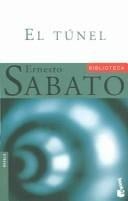
An early existentialist novel narrated by a painter who recounts his obsessive love for a woman and the jealousy that drives him to murder, confined entirely to his isolated, distorted consciousness.
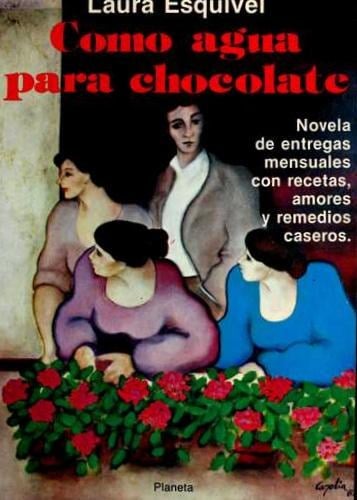
Laura Esquivel · Mexican fiction, Magical realism, Food
A novel in monthly installments with recipes, blending magical realism and cooking to tell of Tita, forbidden by family tradition to marry, who channels her thwarted passion into food that magically affects those who eat it.
Alejo Carpentier · Historical fiction, Haitian Revolution (1791-1804), Haiti
Set during the Haitian Revolution and the reign of Henri Christophe, this novel is a foundational text of 'lo real maravilloso' (marvelous realism), articulated in Carpentier's prologue, exploring slavery, power, and Afro-Caribbean belief.
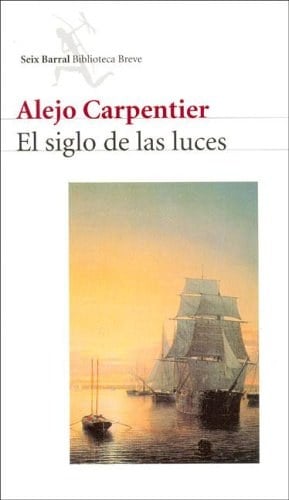
Alejo Carpentier · Historical fiction, Caribbean area, French Revolution
A historical novel tracing the merchant Victor Hugues and a Caribbean family as the ideals of the French Revolution—and its guillotine—reach the New World, examining how Enlightenment promise curdles into terror.
Adolfo Bioy Casares · Science fiction, Argentine fiction, Translations into English
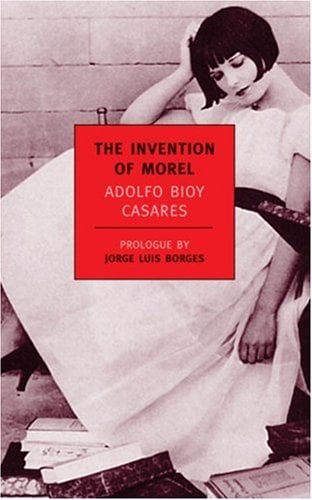
An influential science-fiction novella in which a fugitive on a deserted island falls in love with a woman who, with the other visitors, proves to be a projection of a strange recording machine—a meditation on image, reality, and immortality.
Carlos Fuentes · Mexican fiction, Man-woman relationships, Second-person narration
A gothic novella narrated in the second person, in which a young historian is hired by an aged widow and becomes entangled with her enigmatic niece Aura, blurring identity, time, and desire in a Mexico City mansion.
Clarice Lispector · Brazilian fiction, Psychological fiction, Rio de Janeiro
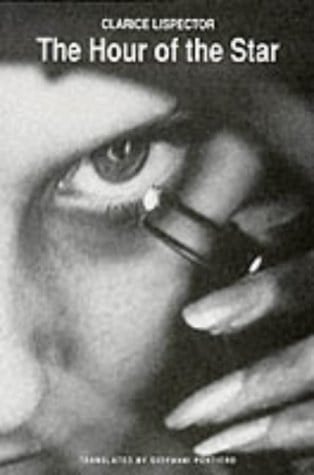
Lispector's final novel, narrated by the self-conscious Rodrigo S.M., tells of Macabéa, a poor, unremarkable typist from Brazil's northeast living in Rio, using their contrast to probe existence, identity, and the limits of narration.
Clarice Lispector's mystical novel in which a Rio sculptress, G.H., crushes a cockroach in her maid's room and undergoes a vertiginous spiritual crisis. A landmark of Brazilian modernism, it probes consciousness, language, and the dissolution of the self.
José Lezama Lima · Cuban fiction, Spanish fiction, Romance literature
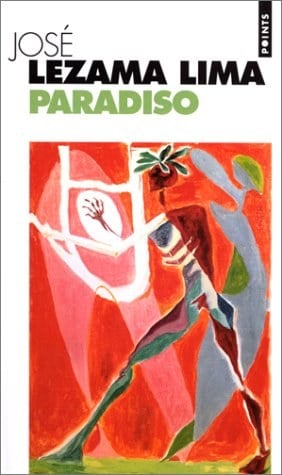
The only novel published in José Lezama Lima's lifetime, tracing José Cemí's growth from childhood through university. A dense, baroque work that embodies the Cuban poet's neobaroque aesthetic and is a touchstone of Latin American literature.
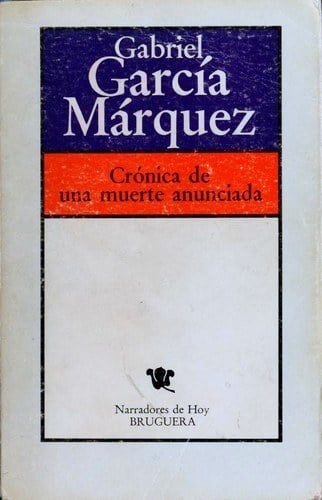
Gabriel García Márquez · Colombian fiction, Spanish fiction, Magic realism
García Márquez's novella reconstructing, in nonlinear fashion, the foretold killing of Santiago Nasar over a question of family honor. It examines collective complicity, fate, and the codes of honor in a Caribbean town.
Ricardo Güiraldes's classic of Argentine literature, narrating a boy's coming of age under the tutelage of an idealized gaucho. The novel elegizes the vanishing gaucho way of life on the Pampas.
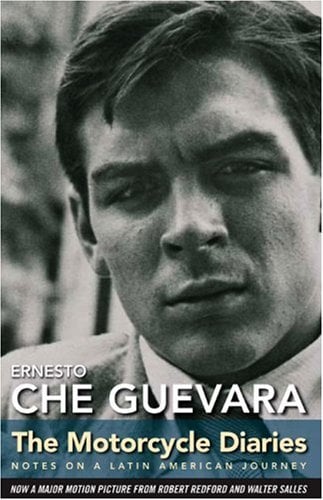
Ernesto Che Guevara · South America, Description and travel, Diaries
Ernesto 'Che' Guevara's youthful travel diary of his 1952 motorcycle journey across South America with Alberto Granado. The encounters with poverty and injustice shaped his emerging political consciousness.


Nog geen reacties — wees de eerste.