Ten novels that went back for something the record left out
CE
Caleido Editorial Team25 июля 2026 г.10 мин чтения0 просмотров
The best historical novels of 2025 were mostly about complicity and erasure — what people agreed to do, and what got left out of the account afterwards.
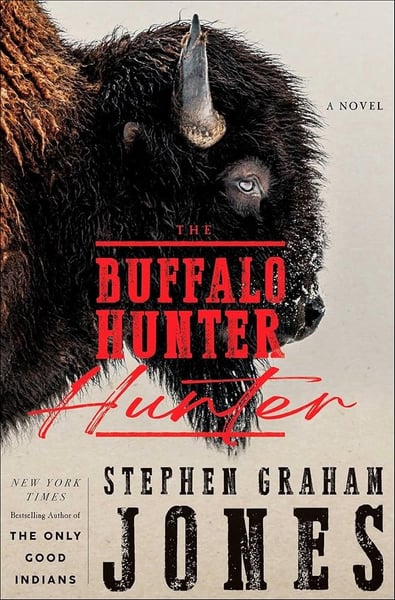
Daniel Kehlmann's The Director follows G. W. Pabst, one of the great Weimar filmmakers, back into Austria in 1939 and then into making pictures for the Reich, one reasonable decision at a time. Karen Russell's prairie witch stores the memories her Dust Bowl neighbours would rather not keep, including the ones about how they got the land. Victoria Redel gives a seventeenth-century still-life painter's story to the servant who was also her model and lover. Stephen Graham Jones tells the Marias Massacre as a confession by the thing it created.
At the other end of the register, Thomas Pynchon returned at eighty-eight with a 1932 Milwaukee private-eye novel, and Sarah Hall wrote a book narrated in part by England's only named wind. Historical fiction, it turns out, is where the formal risk-taking went.
G. W. Pabst fails in Hollywood, returns to Austria for a family visit in 1939, cannot get out, and begins making films for the Reich. Kehlmann writes collaboration as a sequence of small, defensible, individually forgivable choices. One of the New York Times's ten best books of the year.
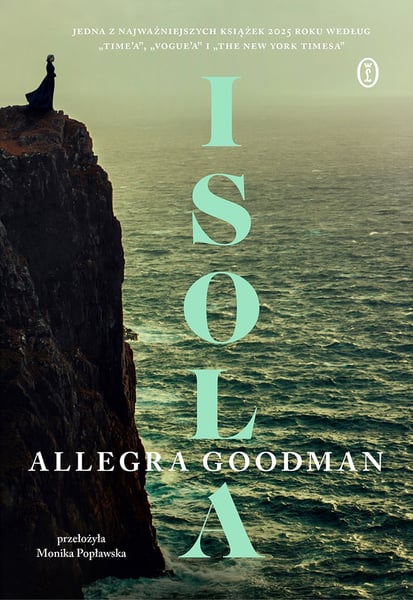
Marguerite de la Rocque, a French noblewoman marooned on an island in the Gulf of St Lawrence in 1542 for the crime of falling in love on the voyage. Goodman keeps the survival material unsentimental and lets the injustice speak for itself. Nine best-of lists.
Nebraska, 1935: a 'prairie witch' holds her neighbours' unwanted memories in trust, and Black Sunday empties her. Russell adds a New Deal photographer whose pictures show what should have happened instead. Eleven best-of lists and her most disciplined novel.
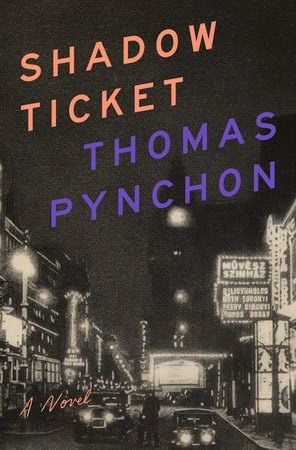
Thomas Pynchon · Eastern Europe, espionage, Milwaukee (Wisconsin)
Pynchon at eighty-eight, writing a 1932 Milwaukee private eye sent after a cheese heiress and ending up somewhere considerably stranger. Shorter and more affable than the big books, and unmistakably his — nine best-of lists for a novelist who has not needed them in fifty years.
Patrick Ryan · Historical Fiction, Fiction, Literary Fiction
An Ohio family followed from the 1950s onward, with the century's changes arriving as household events rather than headlines. Ryan is very good at the silences families build around a single unspoken fact, and eight best-of lists agreed.
A Blackfeet man turned predator confesses to a Lutheran pastor in 1912, working through the men responsible for the Marias Massacre. It is a horror novel, but it is also the most rigorous piece of historical reckoning on this list.
The Dutch still-life painter Maria van Oosterwijck, reimagined through the servant who was also her model and her lover — the person who made the work possible and left no signature. A quiet novel about attribution.
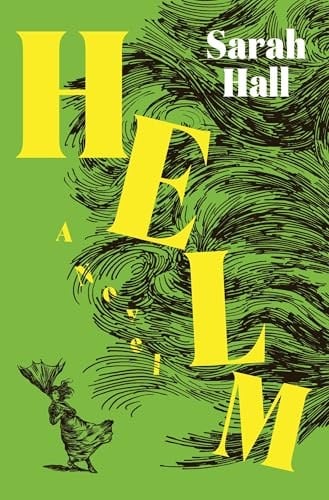
England's only named wind, the Helm of the Cumbrian fells, narrates parts of its own biography across centuries of the people who lived under it. A wildly ambitious conceit that Hall's prose entirely earns.
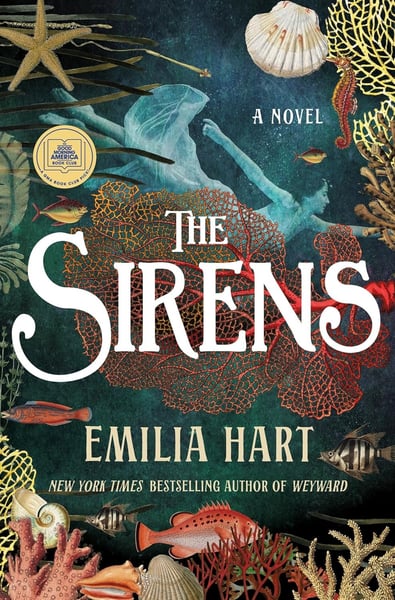
Two timelines — sisters transported to Australia on a convict ship in 1800, and a woman on the New South Wales coast in 2019 — joined by water and by something in the family that does not drown. Hart's follow-up to Weyward is better plotted and just as atmospheric.
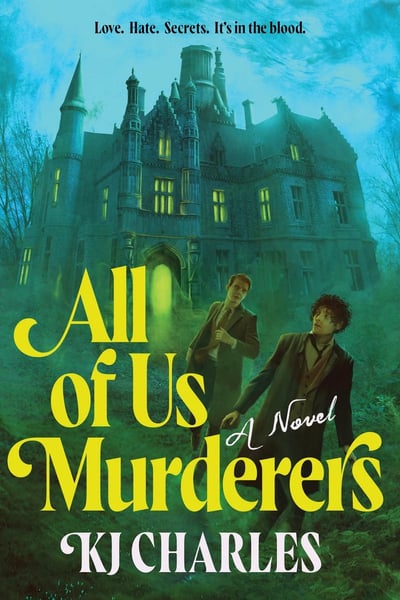
K. J. Charles · Mystery, Romance, Historical Fiction
A gothic historical where the period detail is not decoration: the inheritance law, the servants' hierarchy and the criminal risk of being queer are all load-bearing for the mystery. Charles is a genuinely underrated historical novelist.
How this list was made
Compiled from CrimeReads' and Book Riot's historical fiction selections for 2025, Literary Hub's aggregate of 58 best-of lists, the New York Times 10 Best Books, and the Booker and Walter Scott Prize longlists. Authors and publication years are verified against Open Library.

Пока нет комментариев — будьте первым.