Ten books of reporting and argument from a very loud year
CE
Caleido Editorial Team25 июля 2026 г.10 мин чтения0 просмотров
If 2025's fiction was about unreliability, its non-fiction was about power that does not consider itself accountable to anyone.
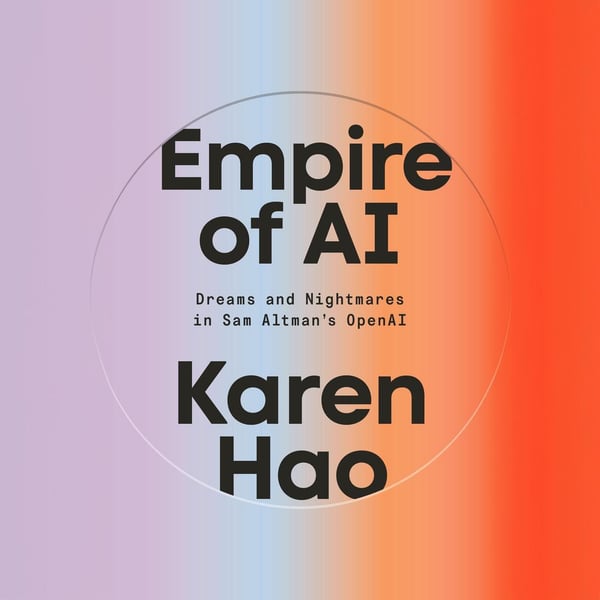
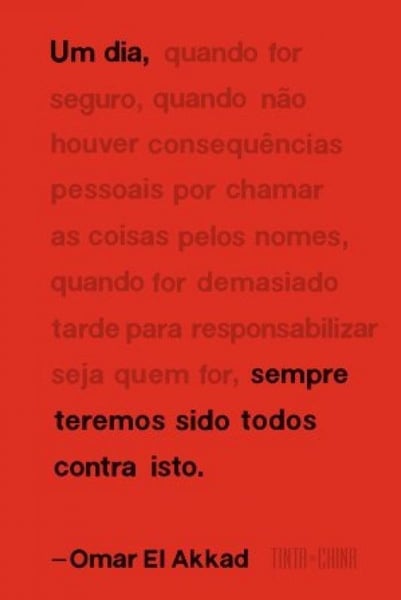
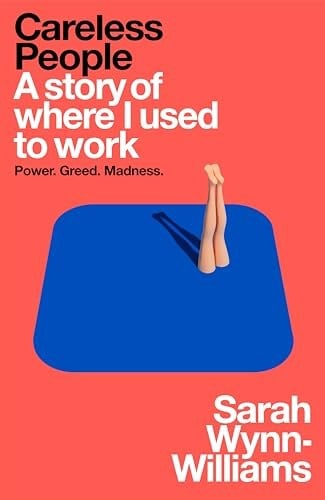
Karen Hao's Empire of AI became the year's necessary book on the industry rearranging everything, largely because she reported the parts the industry does not discuss: the annotators in Nairobi, the water, the electricity. Sarah Wynn-Williams published a memoir of seven years inside Facebook that Meta went to arbitration to suppress. Brian Goldstone spent years with Atlanta families who work full time and are homeless anyway. Omar El Akkad wrote the year's angriest essay and won the National Book Award for it.
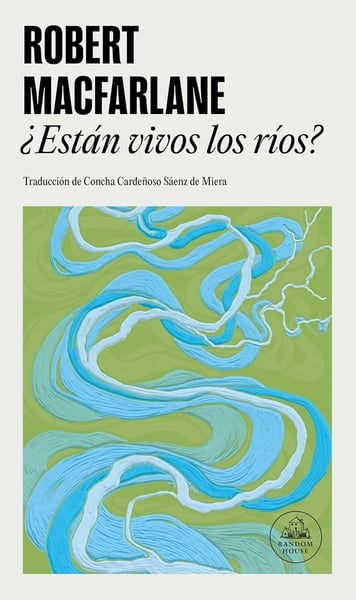
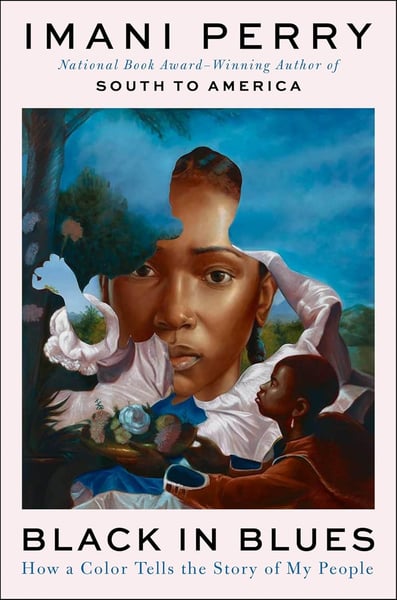
The other strand was historical: Jill Lepore on the American constitution, Kevin Sack on the Charleston church massacre, Scott Anderson on 1979 in Iran, Imani Perry on the colour blue as a thread through Black life. Robert Macfarlane, characteristically, went and asked whether a river can be a person, and came back with a legal answer as well as a lyrical one.
The definitive account of OpenAI's conversion from nonprofit research lab to something with imperial reach — and unusually good on the costs that get externalised: the data annotators in Kenya, the water, the power. Winner of the National Book Critics Circle Award for nonfiction.
An essay written from the certainty that the moral consensus about Gaza will eventually shift and that everyone will then claim to have held the new position all along. El Akkad's subject is really Western liberalism's capacity for retrospective innocence. National Book Award winner.
Seven years inside Facebook, told by a former director of global public policy, published over Meta's legal objections and immediately a bestseller. The anecdotes are extraordinary; the argument underneath is structural, about enormous power held casually.
Macfarlane follows the rights-of-nature movement to Ecuador, India and Quebec and concludes that the question in his title has a defensible legal answer as well as a poetic one. Eleven best-of lists, and his best book since Underland.
Five Atlanta families who hold down jobs and are homeless anyway, followed closely enough that the abstraction 'working homelessness' becomes a set of specific rent payments and eviction dates. One of the New York Times's ten best books of the year.
Lepore's history of the American constitution as a document people keep trying and failing to amend — and of what happens to a democracy when the mechanism for changing its own rules seizes up. Nine best-of lists.
The Charleston church massacre, placed inside two centuries of the congregation's history so that the 2015 murders read as an episode in a much longer story of Black worship under threat. A New York Times top-ten book and a monumental piece of reporting.
Imani Perry · United states, history, Nonfiction, History
A cultural history threaded through a single colour — indigo, denim, blues music, the blue of mourning — as a way of writing about Black life without the usual framing devices. Formally inventive and eight best-of lists deep.
The Shah, the Ayatollah, the American officials who understood none of it, and the year everything in Iran turned. Anderson writes narrative history at thriller pace without cheapening it, and the parallels are left for the reader to make.
Essays on hope as a discipline rather than a mood — written for a moment when despair is the more sophisticated-sounding position. Solnit has been making this argument for twenty years; this is the most concentrated version of it.
How this list was made
Compiled from Literary Hub's aggregate of 58 best-of-2025 lists, the New York Times 10 Best Books, and the results of the National Book Award for Nonfiction, the National Book Critics Circle Award for Nonfiction and the Women's Prize for Non-Fiction. Authors and publication years are verified against Open Library.


Пока нет комментариев — будьте первым.