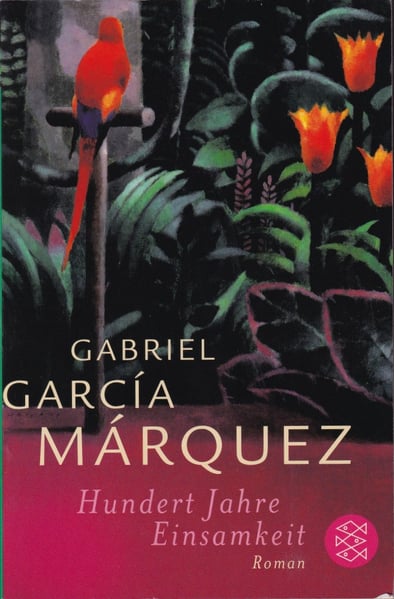
Gabriel García Márquez · Fiction, Magic realism, Macondo (Imaginary place)
Yüzyıllık Yalnızlık, Nobel Edebiyat Ödüllü Kolombiyalı yazar Gabriel García Márquez'in 1967 yılında Meksika'ya ilk gidişinde yazdığı başyapıtı niteliğindeki romanı.
Büyülü gerçekçilik, devrimci düzyazı ve Latin Amerika edebi patlamasının 25 başyapıtı
Yirminci yüzyılın ortalarında, Latin Amerika'dan dünyayı sarsan edebi bir deprem yaşandı. Boom olarak bilinen bu olağanüstü hareket, şimdiye kadar yazılmış en yaratıcı, tutkulu ve politik açıdan yüklü edebiyatlardan bazılarını üretti. García Márquez, Borges ve Cortázar gibi yazarlar gerçeklik ile fantezi arasındaki sınırları yıktılar.
Ancak Latin Amerika edebiyatının hikayesi Boom'un çok ötesine uzanır. Arjantin pampalarının gaucho şiirinden Brezilya'nın feminist seslerine, bu gelenek kıtanın kendisi kadar geniş ve çeşitlidir.
Latin Amerika edebiyatının bu temel eserlerini keşfetmek için kontrol listesini kullanın.
Gabriel García Márquez · Fiction, Magic realism, Macondo (Imaginary place)
Yüzyıllık Yalnızlık, Nobel Edebiyat Ödüllü Kolombiyalı yazar Gabriel García Márquez'in 1967 yılında Meksika'ya ilk gidişinde yazdığı başyapıtı niteliğindeki romanı.
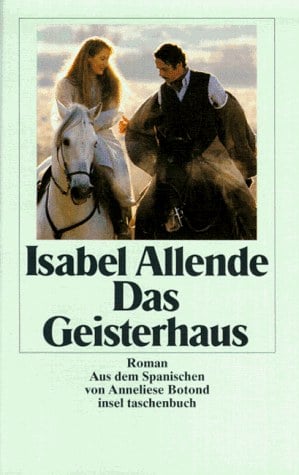
Isabel Allende · Fiction, Family, Magic realism
Allende's debut novel follows three generations of the Trueba family, blending domestic saga with the political upheaval of twentieth-century Chile. It interweaves spiritualism and realism to examine memory, patriarchy, and social struggle.
Juan Rulfo · Fiction, Mexican literature, Spanish language
Rulfo's fragmented novel follows Juan Preciado to the ghost town of Comala in search of his father, Pedro Páramo, only to find it peopled by the dead. Its nonlinear structure and blurring of life and death deeply influenced later magical realism.
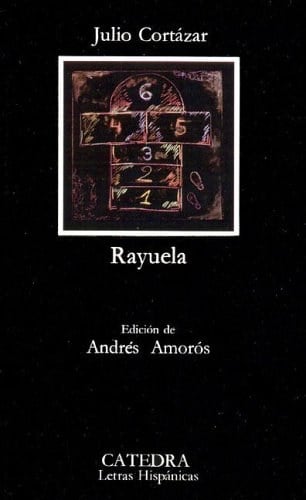
Julio Cortázar · Argentine fiction, Fiction, Spanish fiction
Cortázar's experimental novel can be read sequentially or by following a 'table of instructions' that hops between chapters. Centered on Horacio Oliveira between Paris and Buenos Aires, it interrogates love, chance, and the nature of the novel itself.
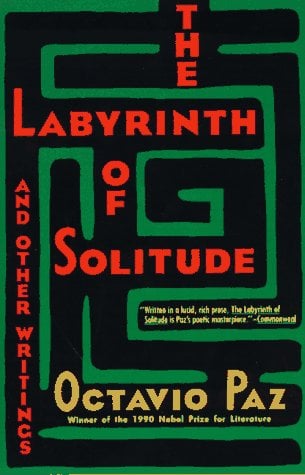
Octavio Paz · Essays, Mexican national characteristics, Social life and customs
Paz's book-length essay analyzes Mexican identity, history, and psychology, exploring themes of solitude, masks, and the legacy of conquest. It remains a defining interpretive work on the national character of Mexico.
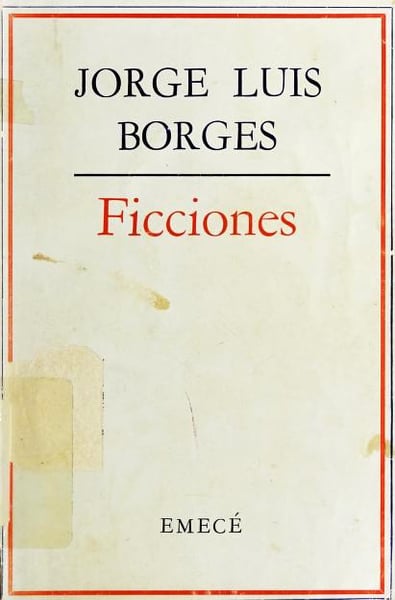
Jorge Luis Borges · Short stories, Speculative fiction, Argentine fiction
Ficciones, Arjantinli yazar ve şair Jorge Luis Borges'in özgün olarak 1941 ile 1956 yılları arasında İspanyolca olarak yazdığı yayınlanan kısa öykülerinden oluşan bir derlemesidir. Ficciones'tan on üç hikâye ilk olarak New Directions tarafından İngilizce antoloji Labyrinths'te (1962) yayınlandı. Aynı yıl, Grove Press, orijinal dildeki aynı başlığı kullanarak kitabın tamamını İngilizce olarak ya...
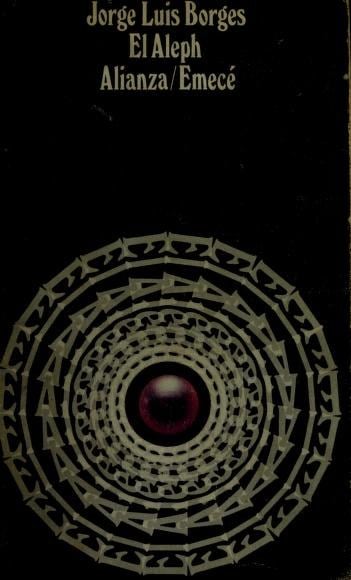
Jorge Luis Borges · Short stories, Argentine fiction, Fantastic fiction
Borges's story collection takes its title from a point in space containing all other points, allowing one to see everything at once. Its tales explore infinity, memory, and metaphysics through compact, philosophically charged narratives.

Gabriel García Márquez · Fiction, Love stories, Family life
Kolera Günlerinde Aşk, Nobel Edebiyat Ödüllü yazar Gabriel García Márquez'in 1985 yılında yayımlanan romanıdır. Şadan Karadeniz`in Türkçeye çevirisi 1988 yılında Can Yayınları tarafından yayımlanmıştır.
Roberto Bolaño · Fiction, Spanish fiction, Missing persons
2666, Roberto Bolaño'nun yazdığı son romanıdır. Bolaño'nun ölümünden bir yıl sonra, 2004'te yayımlandı. İspanyolca orijinali 1100 sayfa ve İngilizce çevirisi 900 sayfadır. Beş bölüme ayrılmıştır. Natasha Wimmer'in İngilizce çevirisi 2008'de Amerika Birleşik Devletleri'nde Farrar, Straus ve Giroux tarafından ve 2009'da Birleşik Krallık'ta Picador tarafından yayımlanmıştır. Çok parçalı bir romandır.
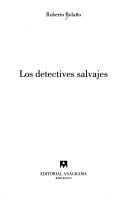
Roberto Bolaño · Fiction, Mexican literature, Poets
Bolaño's novel follows the 'visceral realist' poets Arturo Belano and Ulises Lima as they search for a vanished writer, then disperse across continents. Told through many voices, it portrays youthful literary ambition and its long aftermath.
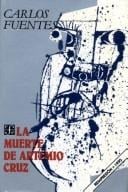
Carlos Fuentes · Mexican fiction, Mexico, History
A landmark Boom novel in which a dying former revolutionary turned powerful tycoon recalls pivotal days of his life, using shifting first-, second-, and third-person narration to indict the corruption of post-revolutionary Mexico.

Mario Vargas Llosa · Peruvian fiction, Political corruption, Dictatorship
Vargas Llosa's sprawling novel built around a bar conversation, anatomizing moral decay and political repression in Peru under the Odría dictatorship through fragmented, interwoven dialogue and timelines.
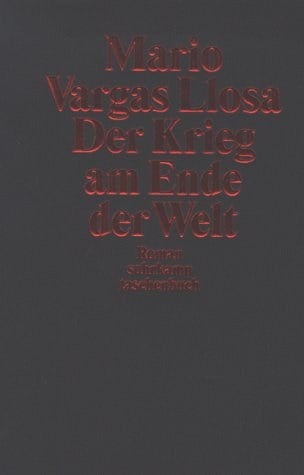
Mario Vargas Llosa · Historical fiction, Canudos Campaign (Brazil: 1893-1897), Brazil
An epic historical novel reimagining the late-19th-century Canudos rebellion in northeastern Brazil, following a messianic preacher and his followers as fanaticism and state violence collide in tragedy.
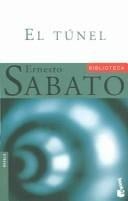
Ernesto Sabato · Argentine fiction, Psychological fiction, Obsession
An early existentialist novel narrated by a painter who recounts his obsessive love for a woman and the jealousy that drives him to murder, confined entirely to his isolated, distorted consciousness.
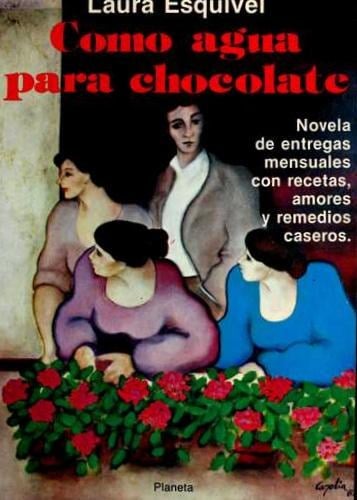
Laura Esquivel · Mexican fiction, Magical realism, Food
A novel in monthly installments with recipes, blending magical realism and cooking to tell of Tita, forbidden by family tradition to marry, who channels her thwarted passion into food that magically affects those who eat it.
Alejo Carpentier · Historical fiction, Haitian Revolution (1791-1804), Haiti
Set during the Haitian Revolution and the reign of Henri Christophe, this novel is a foundational text of 'lo real maravilloso' (marvelous realism), articulated in Carpentier's prologue, exploring slavery, power, and Afro-Caribbean belief.
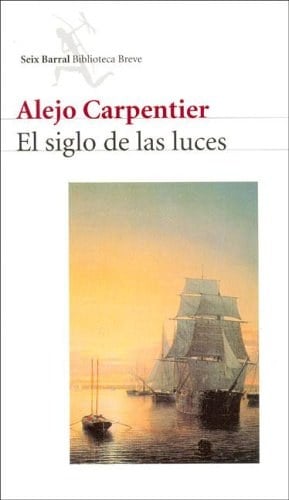
Alejo Carpentier · Historical fiction, Caribbean area, French Revolution
A historical novel tracing the merchant Victor Hugues and a Caribbean family as the ideals of the French Revolution—and its guillotine—reach the New World, examining how Enlightenment promise curdles into terror.
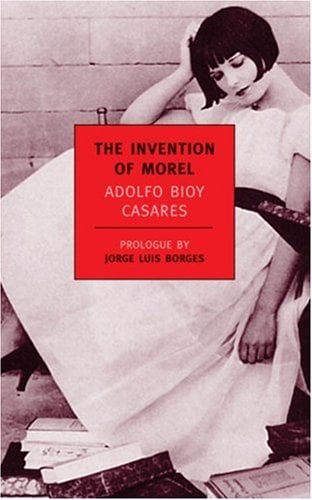
Adolfo Bioy Casares · Science fiction, Argentine fiction, Translations into English
An influential science-fiction novella in which a fugitive on a deserted island falls in love with a woman who, with the other visitors, proves to be a projection of a strange recording machine—a meditation on image, reality, and immortality.

Carlos Fuentes · Mexican fiction, Man-woman relationships, Second-person narration
A gothic novella narrated in the second person, in which a young historian is hired by an aged widow and becomes entangled with her enigmatic niece Aura, blurring identity, time, and desire in a Mexico City mansion.
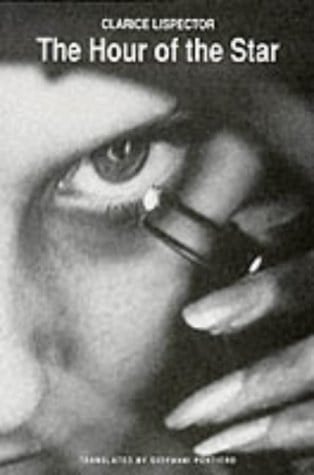
Clarice Lispector · Brazilian fiction, Psychological fiction, Rio de Janeiro
Lispector's final novel, narrated by the self-conscious Rodrigo S.M., tells of Macabéa, a poor, unremarkable typist from Brazil's northeast living in Rio, using their contrast to probe existence, identity, and the limits of narration.
Clarice Lispector · Brazilian literature, Fiction, Philosophy
Clarice Lispector's mystical novel in which a Rio sculptress, G.H., crushes a cockroach in her maid's room and undergoes a vertiginous spiritual crisis. A landmark of Brazilian modernism, it probes consciousness, language, and the dissolution of the self.
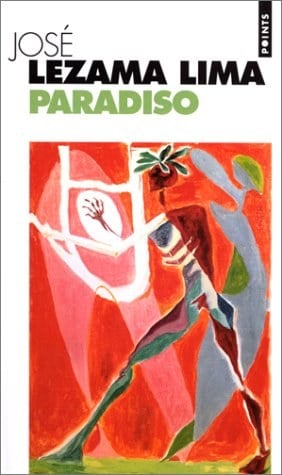
José Lezama Lima · Cuban fiction, Spanish fiction, Romance literature
The only novel published in José Lezama Lima's lifetime, tracing José Cemí's growth from childhood through university. A dense, baroque work that embodies the Cuban poet's neobaroque aesthetic and is a touchstone of Latin American literature.
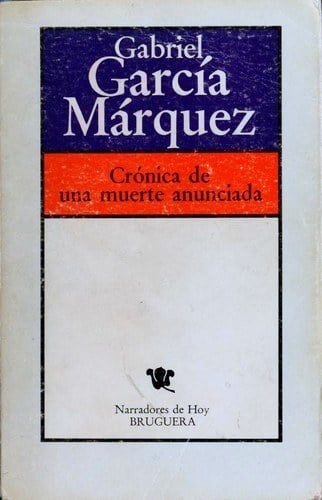
Gabriel García Márquez · Colombian fiction, Spanish fiction, Magic realism
Kırmızı Pazartesi, Nobel Edebiyat Ödüllü yazar Gabriel García Márquez'in bir romanıdır. Asıl adı İşleneceğini Herkesin Bildiği Bir Cinayetin Öyküsü'dür ancak Türkiye'de Kırmızı Pazartesi ismiyle basılmıştır. Gerçek bir hikâyeden uyarlanan kitap, 1 Mayıs 1981'de İspanya, Meksika, Kolombiya ve Arjantin'de yayımlandı. Kitapta, işleneceğini herkesin bildiği ancak engel olmak için kimsenin bir şey y...
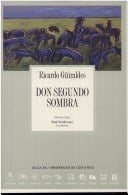
Ricardo Güiraldes · Argentine fiction, Argentine literature, Gauchos
Ricardo Güiraldes's classic of Argentine literature, narrating a boy's coming of age under the tutelage of an idealized gaucho. The novel elegizes the vanishing gaucho way of life on the Pampas.
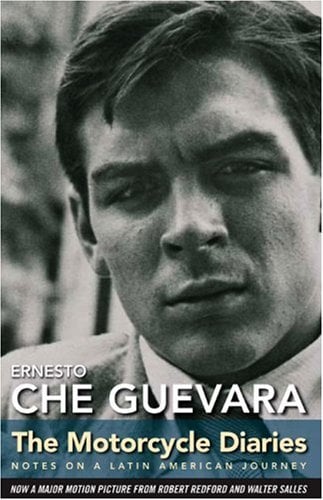
Ernesto Che Guevara · South America, Description and travel, Diaries
Ernesto 'Che' Guevara's youthful travel diary of his 1952 motorcycle journey across South America with Alberto Granado. The encounters with poverty and injustice shaped his emerging political consciousness.
Henüz yorum yok — ilk sen ol.