16 books from the first half of the year, before the prizes weigh in
CE
Caleido Editorial Team2026年7月25日14 分钟阅读0 次浏览
A mid-year books list is provisional by definition. The Booker longlist is not out, the National Book Awards are months away, and the Pulitzer for anything published now will not be decided until spring 2027. What follows is the overlap between the critics who read fastest — the New York Times mid-year selection, Book Riot, Lit Hub, the New Yorker and Vulture.
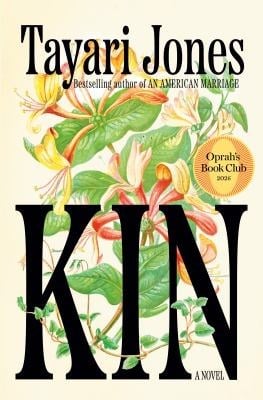
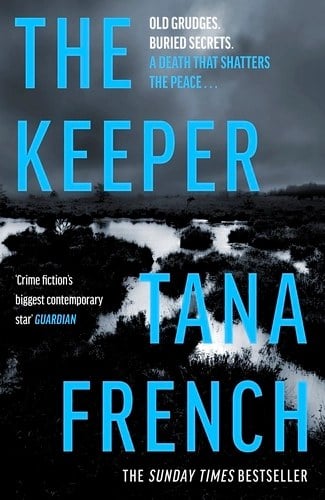
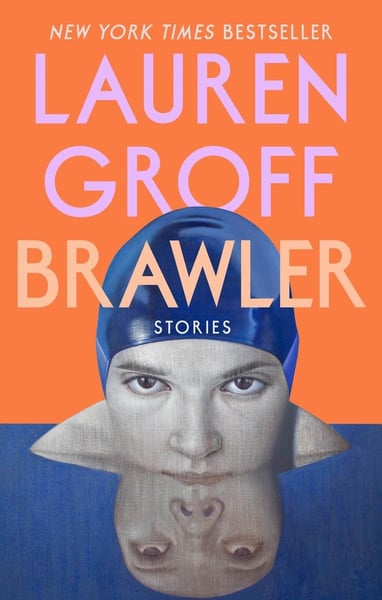
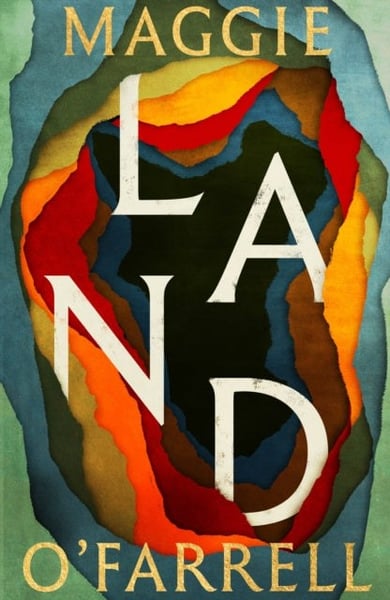
The pattern so far is that established writers have delivered. Tayari Jones returned with Kin and took the first slot on the Times's list. Tana French closed her Cal Hooper trilogy. Maggie O'Farrell went back to post-Famine Ireland. Lauren Groff published stories, Douglas Stuart published a novel about a Scottish island, Ben Lerner published something short and strange, and Martha Wells added an eighth Murderbot.
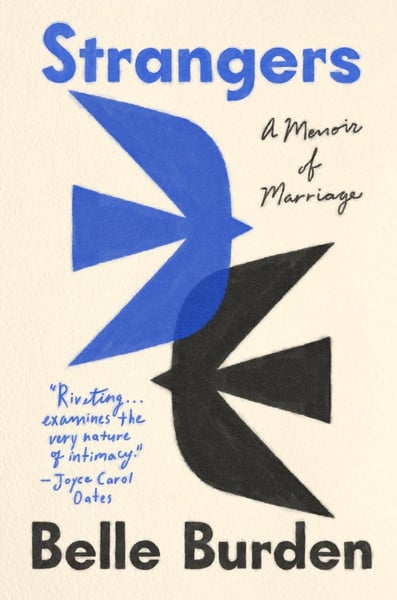
Nonfiction's first half belongs to Patrick Radden Keefe, whose London Falling traces a young man's death into the city's criminal underworld with the same patience he brought to Empire of Pain — and to Belle Burden, whose marriage memoir Strangers has been the year's most widely praised debut in the form.
One caveat specific to books this early in the year: Open Library, which is where Caleido links book pages, has not yet catalogued a large part of 2026's output. Several titles on the critics' lists — including most of the year's memoirs and biographies — simply do not have records to link to yet, and are left out here rather than pointed at nothing.
Use the checklist below to track what you have read.
Tayari Jones · Fiction, Historical Fiction, Literary Fiction
Two women, one family, two very different routes out of the American South — and what each of them owes the other. Jones's first novel since An American Marriage took the opening slot on the New York Times's mid-year list, and it has her signature strength: nobody in it is available to be simply judged.
A nineteen-year-old dies in London and his family discovers he had been leading a second life inside the city's criminal economy. Keefe applies the method of Empire of Pain and Say Nothing — years of reporting, no shortcuts, narrative discipline — to a much smaller frame, and it may be his most affecting book.
The third and final Cal Hooper novel: the retired Chicago detective, his adopted village of Ardnakelty, and a killing the community would very much prefer to handle itself. French has spent three books arguing that belonging and complicity are the same substance, and the ending pays that off.
Groff's new stories are about women handed circumstances they did not agree to and refusing, in various unattractive ways, to accept them. Nobody working writes anger at this pitch without letting it flatten the prose; she does it story after story.
1865, western Ireland: a father and son travel the country on a British mapping survey, renaming places whose people are barely a decade past the Famine. O'Farrell's follow-up to Hamnet turns cartography into an instrument of erasure, and the family story underneath it is devastating.
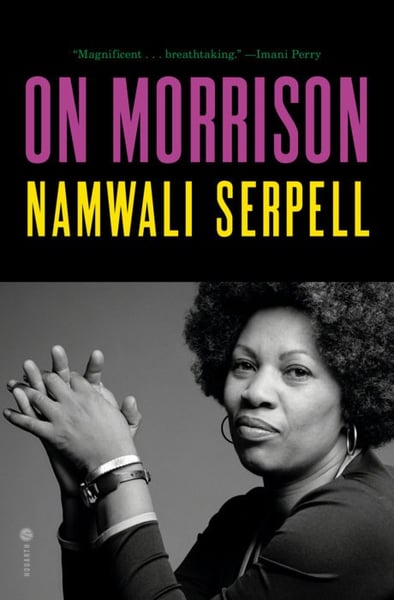
Serpell reads Toni Morrison's hardest books closely and makes them more available rather than less — a rare feat in criticism. It was picked by both the New York Times and Book Riot, which does not usually happen to a work of literary scholarship.
The year's most praised memoir so far: a marriage examined from inside its own strangeness, by a writer unwilling to arrive at the reassuring conclusion. It was named the New York Times's mid-year memoir pick and has topped several best-of-the-year-so-far lists outright.
A slim novel in Lerner's usual mode — an ordinary sequence of events opened up until it becomes a question about memory, attention and how meaning gets assigned after the fact. Shorter and stranger than The Topeka School, and picked by the New York Times at the halfway mark.
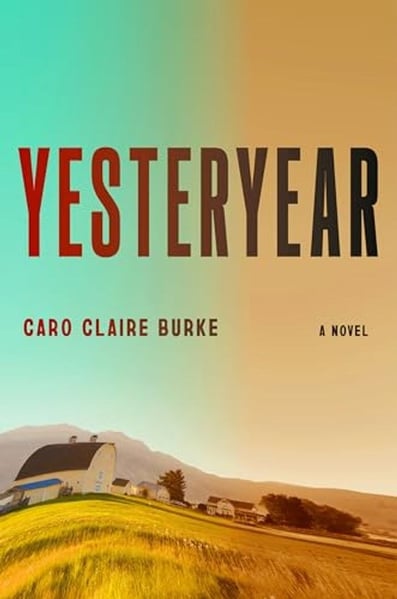
Caro Claire Burke · form:novel, genre:thriller, tradwife
The debut of the year so far: a first novel that arrived with a book-club endorsement and then survived contact with the critics, which is the harder test. Both the New York Times and Barnes & Noble picked it at the midpoint.
Mueenuddin's first book since In Other Rooms, Other Wonders, the Pakistani story collection that made his name more than fifteen years ago. The same unsentimental attention to servants, landowners and the distance between them — and the New York Times had it on the mid-year list.
Stuart leaves Glasgow for a small Scottish island where everyone is known by their father's name and nothing private stays private. After Shuggie Bain and Young Mungo, a third book about concealed identity — and the most beautiful prose of the three.
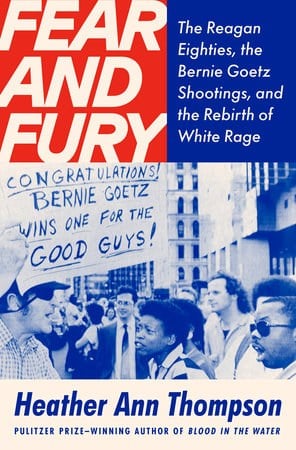
The Pulitzer-winning historian of Attica turns to the Bernhard Goetz subway shootings and reads the 1980s reaction to them as the rehearsal for a politics still running. Rigorous, heavily documented, and pointed.
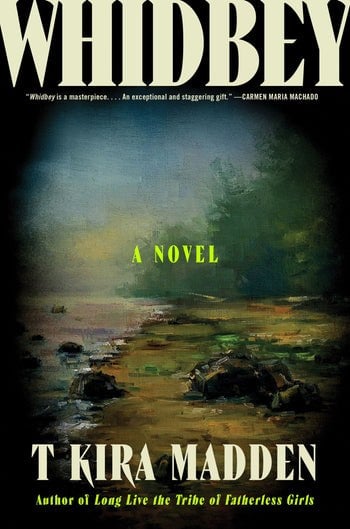
A literary thriller about childhood sexual abuse and the institutions that processed it — Madden's first novel after the memoir Long Live the Tribe of Fatherless Girls. It handles the subject without either flinching or aestheticising, which almost nothing manages.
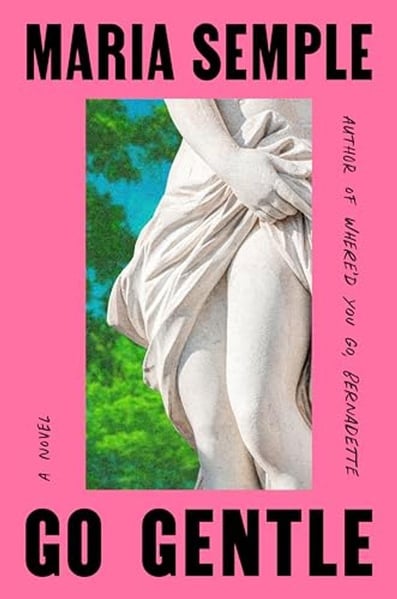
A coming-of-middle-age comedy that is also a mystery, a caper and, occasionally, a genuine argument about how to die well. Semple has been away since Today Will Be Different; the plotting here is much tighter and the jokes land harder.
Martha Wells · The Murderbot Diaries, science fiction, Robots
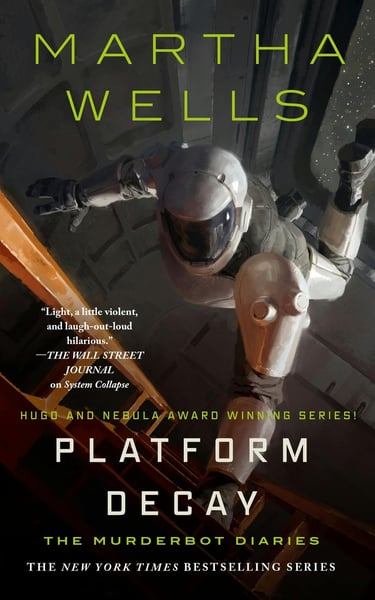
Murderbot, book eight. The reason this series has not worn out is that Wells keeps letting her security unit accumulate obligations it never asked for, and the comedy of reluctant attachment still works. New readers should start earlier; everyone else already has this.
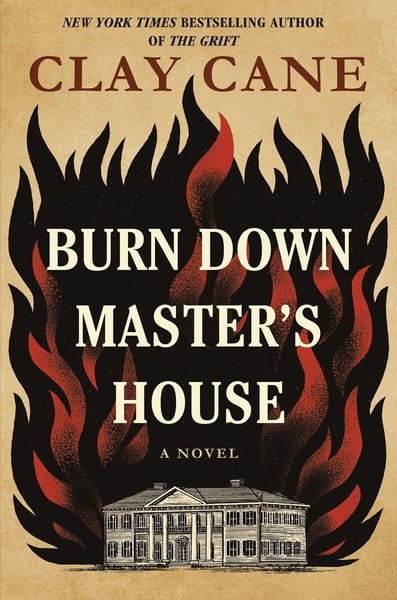
Historical fiction about American slavery written from the position of revolt rather than endurance — Cane is interested in the people who organised, burned and fought. Unflinching about the violence on both sides of that, and one of Book Riot's picks of the half-year.
How this list was made
Compiled from the New York Times Best Books of the Year (So Far), Book Riot's mid-year selections across fiction, nonfiction and genre, Barnes & Noble's best-of-the-year-so-far, and coverage in the New Yorker, Vulture and Lit Hub. Only books published on or before 26 July 2026 with an Open Library record are included. Authors and publication years are verified against Open Library.




还没有评论 — 来抢沙发吧。