Ten books from horror's best publishing year in a decade
CE
Caleido Editorial Team2026年7月25日10 分钟阅读0 次浏览
Horror fiction had the kind of year that gets described afterwards as a wave. The clearest evidence is not sales but crossover: Stephen Graham Jones's The Buffalo Hunter Hunter placed on twelve general best-of-2025 lists and picked up a Nebula nomination, which is not something horror novels normally do.
The genre's centre of gravity has moved decisively toward history. Jones writes the Marias Massacre as a vampire's confession. V. E. Schwab traces four hundred years of women with appetites they were not permitted. Keith Rosson puts vampires in a 1970s American road novel. Even the domestic books are about inheritance: Lucy Rose's mother and daughter feeding on travellers, Ling Ling Huang's friendship dissolved by a technology for merging minds.
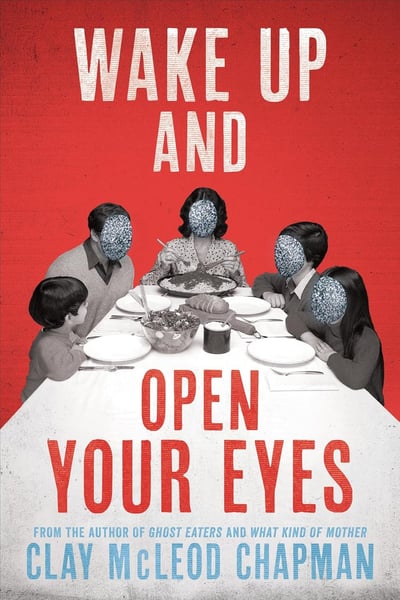
And then there is Clay McLeod Chapman's Wake Up and Open Your Eyes, which is simply about what cable news has done to somebody's parents, and is the most upsetting book on this list for exactly that reason.
Use the checklist to keep track — and maybe not last thing at night.
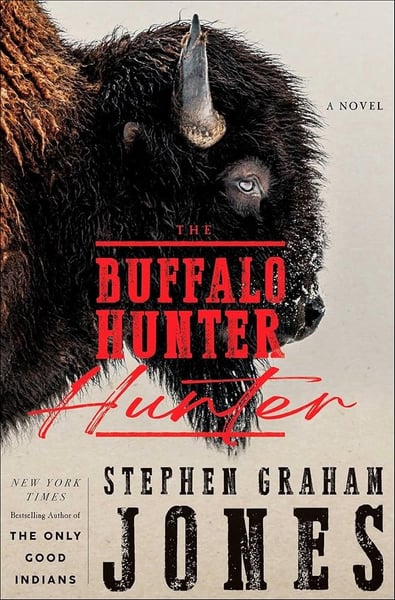
A Lutheran pastor's 1912 journal records the confessions of Good Stab, a Blackfeet man turned into something that must feed — and who has been working steadily through the men responsible for the Marias Massacre. Horror as historical accounting. Twelve best-of lists and a Nebula nomination.
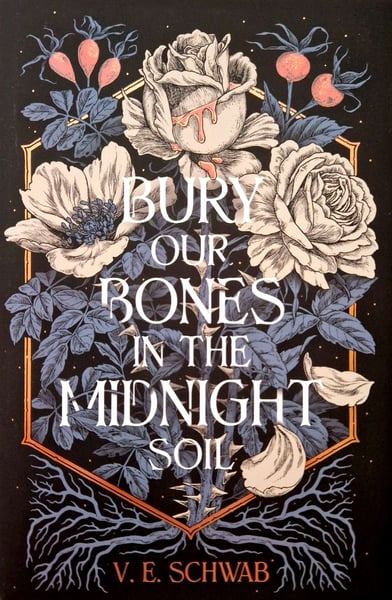
Three women across four centuries, each made into a predator by the narrowness of what she was allowed to want. Schwab's vampires are an argument about appetite, and this is comfortably the strongest novel of her career.
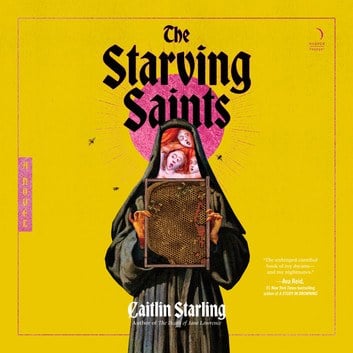
Six months into a siege, with the castle out of food, the saints arrive in person bearing a feast. Starling lets the delirium build until you cannot tell salvation from consumption, and the three women at the centre each choose differently. Gorgeous and genuinely deranged.
Lucy Rose · English literature, Fiction, general, Gothic fiction
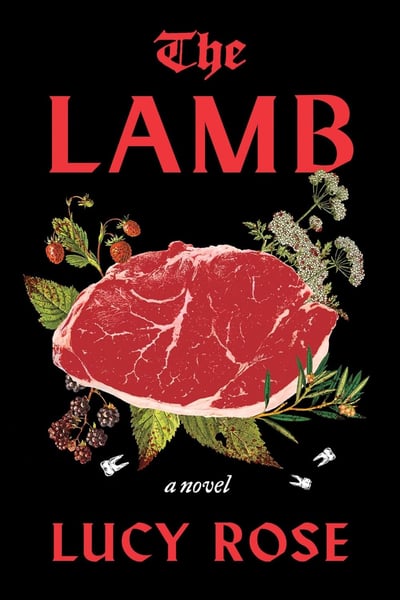
A mother and daughter in an isolated Cumbrian cottage take in lost travellers, and eat them. Rose's debut is a folk horror about maternal control in which the cannibalism is almost the least disturbing element — the dependency is worse.
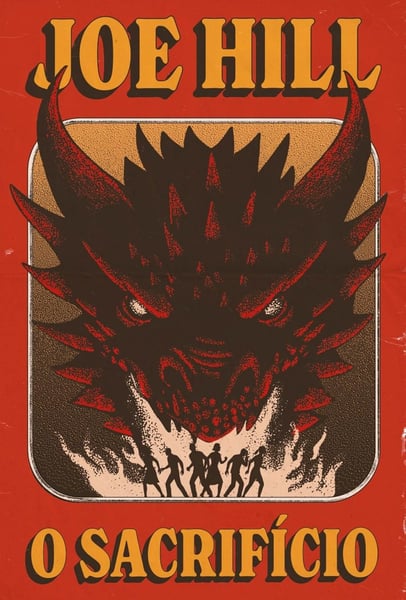
Five college friends summon a dragon to solve a problem, and spend decades paying the instalments. Hill's first novel in years is his most Faustian: the horror is not the creature but the annual, negotiable, entirely voluntary renewal of the deal.
Two art-school friends, one of them a genius, and a technology that lets one person inhabit another's perception. Huang writes envy as body horror, and the novel is unusually smart about what artists actually take from each other.
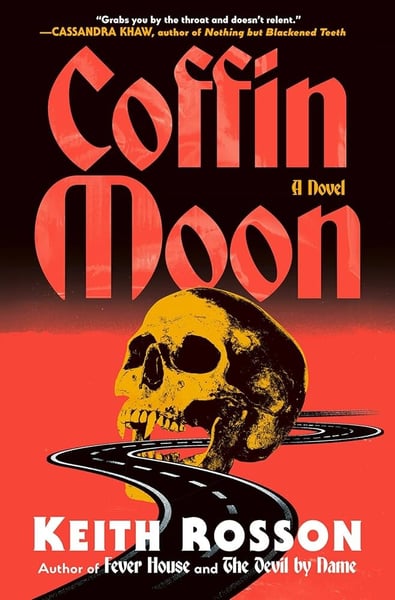
A widow and her niece drive across 1970s America after the men who killed her husband — and the men are not entirely men. Rosson blends hardboiled crime with vampire mythology at speed, and the road-movie structure keeps the dread moving.
A trans woman joins a rural commune promising transformation and finds something older running it. Byron's debut is a haunted-house novel about the cost of being offered a self on somebody else's terms, and the atmosphere never lets up.
A man drives home to find his parents have not moved from in front of the television in days, and something has come through it into them. The most frightening book on this list because the possession is barely a metaphor — everyone recognises the family it is about.
Translated from the Korean by Soje: after witnessing her partner's murder, a woman does something with his body that the novel treats as neither madness nor metaphor. Cold, precise, and about consumption in every available sense.
How this list was made
Compiled from year-end horror selections at Bloody Disgusting, Ginger Nuts of Horror and Book Riot, Literary Hub's aggregate of 58 best-of lists, the 2026 Nebula ballot, and Rotten-Tomatoes-style critical consensus in the genre press. Authors and publication years are verified against Open Library.



还没有评论 — 来抢沙发吧。