40 essential works of science, history, philosophy, and memoir that shaped our understanding of the world
CE
Caleido Editorial Team2026年6月1日30 分钟阅读0 次浏览
The greatest non-fiction books do more than inform — they transform the way we see the world. From ancient philosophical treatises to modern scientific revelations, from wartime diaries to sweeping histories of civilization, these works have shaped human thought across millennia.
This collection brings together forty of the most influential non-fiction books ever written. Here you will find Marcus Aurelius meditating on virtue in a Roman military camp, Rachel Carson sounding the alarm on environmental destruction, Stephen Hawking explaining the universe in accessible prose, and Ta-Nehisi Coates confronting America's racial legacy. These books span science, history, philosophy, memoir, and social criticism — each one a landmark in its field.
Use the checklist below to track your journey through these essential non-fiction works.
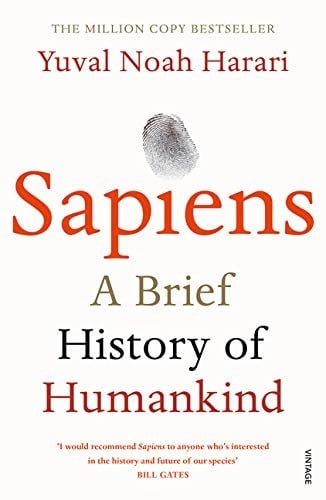
Yuval Noah Harari · Civilization, Human beings, World history
Harari traces the history of Homo sapiens from the Cognitive Revolution through the Agricultural and Scientific Revolutions, arguing that shared fictions—myths, money, religion, nations—enabled large-scale human cooperation and reshaped the planet.
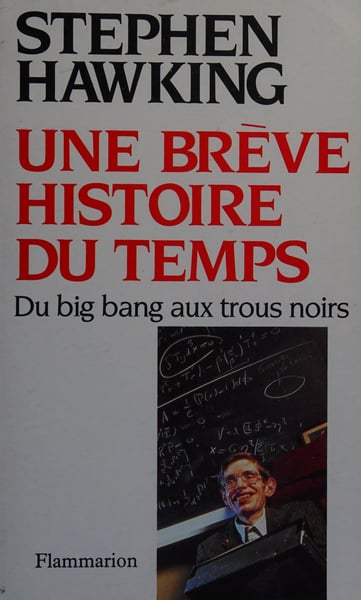
Stephen Hawking · Cosmology, Space and time, Universe
Hawking's popular account of modern cosmology explains the Big Bang, black holes, the nature of space and time, and the search for a unifying physical theory, making advanced physics accessible to general readers.
Anne Frank · Autobiographies, Jews, World War, 1939-1945
The diary Anne Frank kept while hiding with her family in Amsterdam during the Nazi occupation records daily life in concealment alongside an adolescent's reflections, becoming one of the most widely read firsthand accounts of the Holocaust.
Rachel Carson · Pesticides, Environmental aspects, Pesticides and wildlife
Carson's study of the ecological damage caused by synthetic pesticides, especially DDT, documented their effects on wildlife and human health and is widely credited with catalyzing the modern environmental movement.
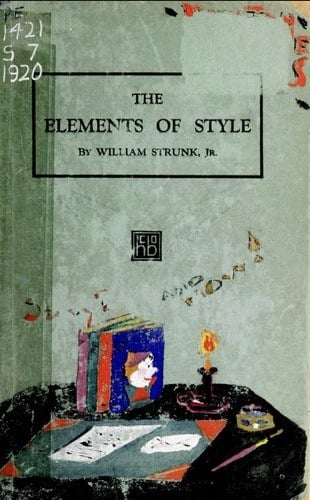
Strunk & White · Rhetoric, English language, Report writing
A concise style guide to English usage and composition, Strunk's original text revised by E. B. White sets out principles of grammar, usage, and clear writing that have made it a standard reference for writers and students.
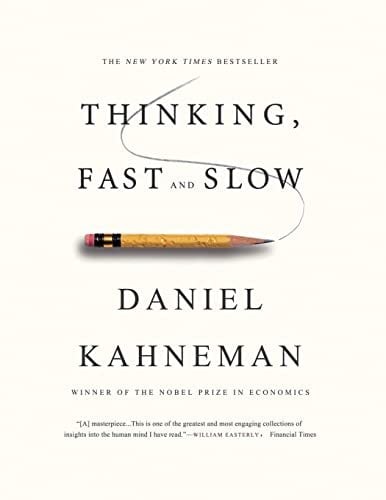
Daniel Kahneman · Intuition, Thought and thinking, Reasoning
Drawing on decades of research, Kahneman contrasts two modes of thought—fast, intuitive System 1 and slow, deliberate System 2—to explain cognitive biases and how they shape human judgment and decision-making.
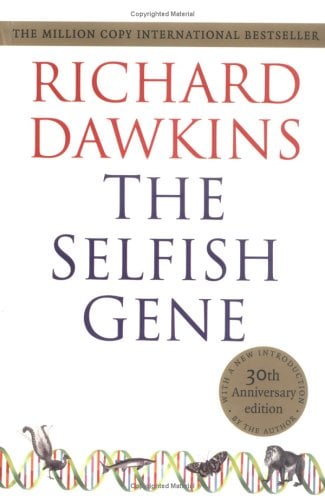
Richard Dawkins · Evolution (Biology), Genetics, Sociobiology
Dawkins presents a gene-centered view of evolution, arguing that natural selection acts on genes that behave as if 'selfish,' and introduces the concept of the meme as a unit of cultural transmission.
Jared Diamond · Ethnology, Culture diffusion, Civilization
Diamond argues that geographic and environmental factors—not innate differences between peoples—explain why some societies developed agriculture, technology, and political power earlier, shaping the unequal course of human history.
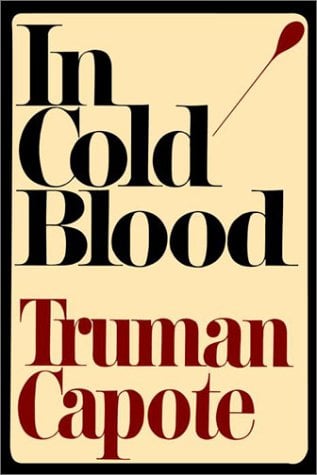
Capote's nonfiction account of the 1959 murder of a Kansas farm family and the investigation and execution of the two killers pioneered the literary 'nonfiction novel' and helped define the true-crime genre.
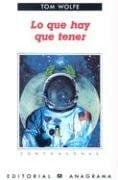
Tom Wolfe · Astronauts, Astronautics, Manned space flight
Wolfe chronicles the test pilots and Mercury astronauts of America's early space program, examining the courage, rivalry, and intangible quality—'the right stuff'—that defined them during the Cold War space race.
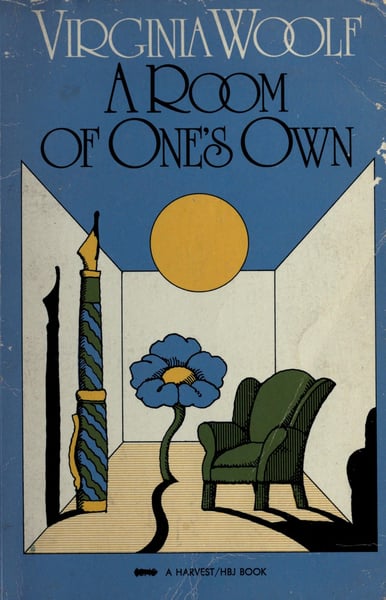
Virginia Woolf · Women and literature, Feminism, Authorship
An extended essay by Virginia Woolf arguing that a woman needs money and a room of her own to write fiction. It examines women's exclusion from literary tradition and remains a foundational text of feminist literary criticism.
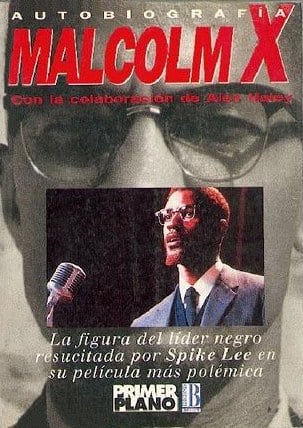
Malcolm X · African Americans, Civil rights, Biography
Told to journalist Alex Haley, this autobiography traces Malcolm X's journey from a troubled youth and imprisonment through his rise as a spokesman for the Nation of Islam and his break toward a broader vision of human rights. It is a landmark work on race in America.
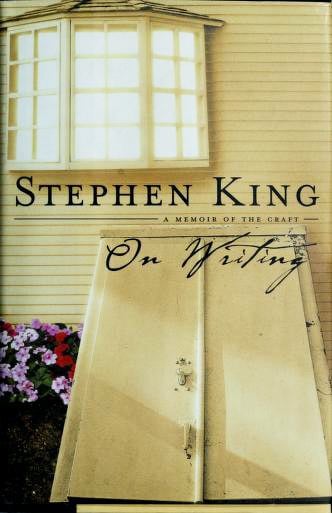
Stephen King · Authorship, Fiction writing, Memoir
Part memoir and part practical guide, Stephen King recounts his development as a writer and offers concrete advice on the craft of fiction. It blends autobiography with reflections on language, storytelling, and discipline.
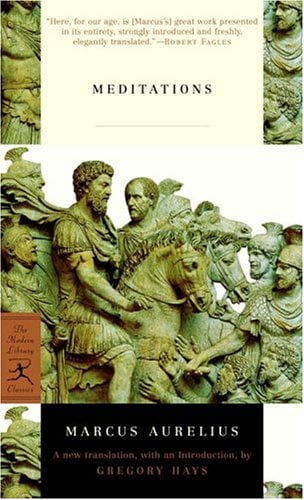
Marcus Aurelius · Stoicism, Ethics, Philosophy, Ancient
A series of private notes written by Roman emperor Marcus Aurelius to himself, setting out Stoic reflections on duty, mortality, and self-discipline. It is a central text of Stoic philosophy and personal ethics.
An ancient Chinese military treatise attributed to Sun Tzu, organized into chapters on strategy, tactics, and leadership. Its principles on conflict and competition have influenced military, political, and business thinking for centuries.
Plato · Political science, Justice, Philosophy, Ancient
A Socratic dialogue by Plato examining the nature of justice and the ideal state, ruled by philosopher-kings. It introduces enduring ideas such as the allegory of the cave and stands as a foundational work of Western political philosophy.
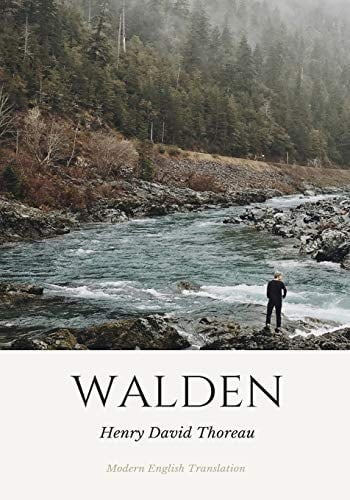
Henry David Thoreau · Natural history, Solitude, Simple living
Henry David Thoreau's account of the two years he spent living simply in a cabin near Walden Pond. Blending nature writing, social criticism, and philosophy, it advocates self-reliance and deliberate living away from society's distractions.
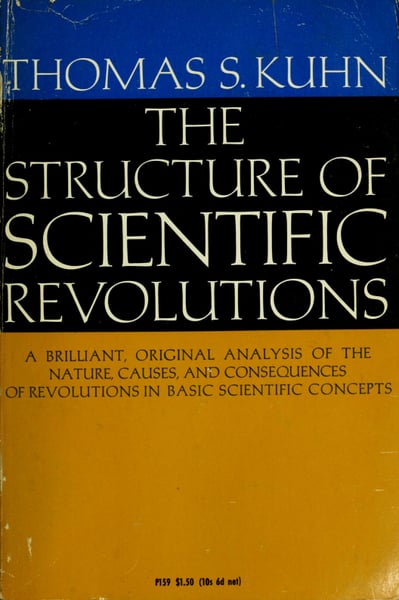
Thomas Kuhn · Science, Philosophy of science, History of science
Thomas Kuhn's influential study argues that science advances not by steady accumulation but through periodic 'paradigm shifts' that replace prevailing frameworks. It introduced the concept of the paradigm and reshaped the philosophy and history of science.
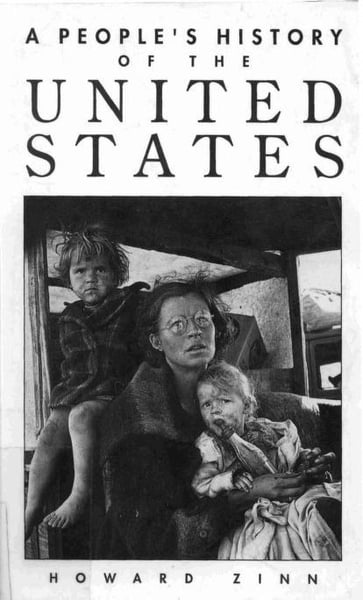
Howard Zinn · United States, History, Social conditions
Howard Zinn recounts American history from the perspective of ordinary people, workers, and marginalized groups rather than political and economic elites. It offers a critical counter-narrative to traditional accounts of U.S. history.
Viktor Frankl · Psychology, Concentration camps, Logotherapy
Psychiatrist Viktor Frankl recounts his survival of Nazi concentration camps and derives from that experience his theory of logotherapy, which holds that the primary human drive is the search for meaning. It combines memoir with psychological insight on enduring suffering.
James Watson's first-person account of the 1953 discovery of the double-helix structure of DNA, candidly portraying the competition, personalities, and improvisation behind one of the 20th century's pivotal scientific breakthroughs.
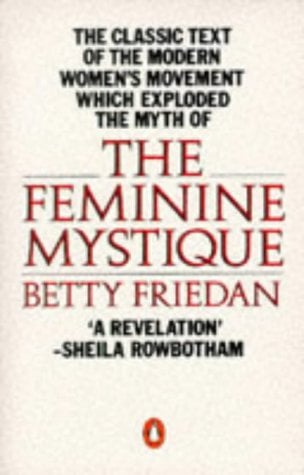
Betty Friedan · Women, Feminism, Social conditions
Friedan's study of the dissatisfaction of mid-century American housewives, challenging the assumption that women find fulfillment solely in domesticity. It is widely credited with helping spark second-wave feminism in the United States.
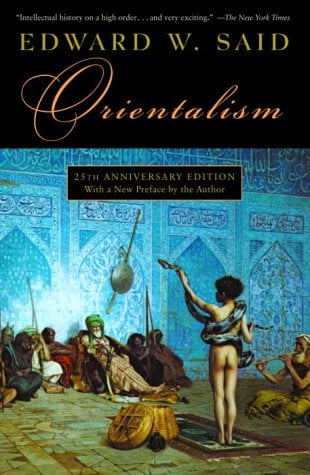
Edward Said · Orientalism, East and West, Imperialism
Said's analysis of how Western scholarship, literature, and politics constructed 'the Orient' as an exotic, inferior other, serving the interests of colonial power. A foundational text of postcolonial studies.
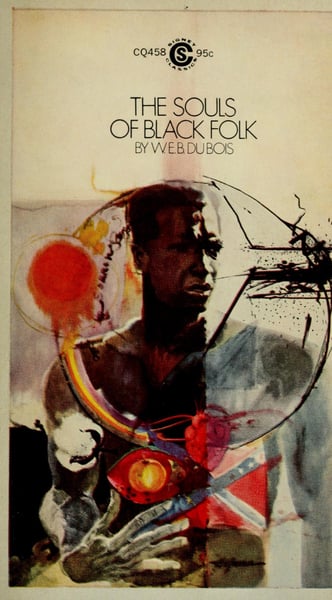
W.E.B. Du Bois · African Americans, Race relations, Social conditions
Du Bois's collection of essays on African American life after emancipation, introducing the concepts of 'double consciousness' and 'the veil.' A cornerstone of American sociology and Black intellectual thought.
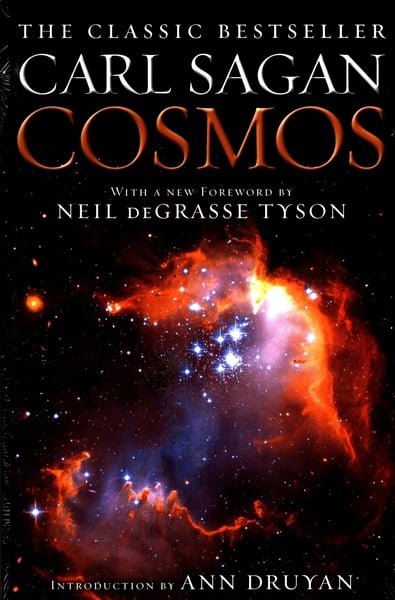
Sagan's survey of the universe and humanity's place in it, tracing the history of science from ancient civilizations to modern astrophysics. Companion to the landmark television series, it popularized science for a global audience.
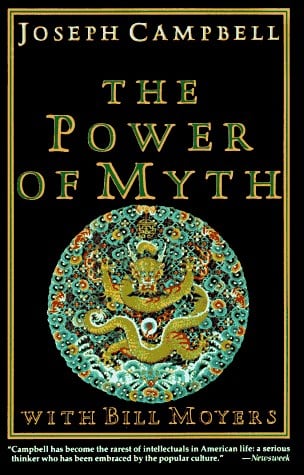
Joseph Campbell · Mythology, Comparative mythology, Religion
Drawn from conversations between Joseph Campbell and Bill Moyers, this work explores recurring myths across cultures and their enduring role in shaping human meaning, ritual, and identity.
Niccolò Machiavelli · Political science, Political ethics, Monarchy
Machiavelli's treatise on acquiring and maintaining political power, arguing that a ruler's ends may justify ruthless means. A founding work of modern political philosophy and realist statecraft.
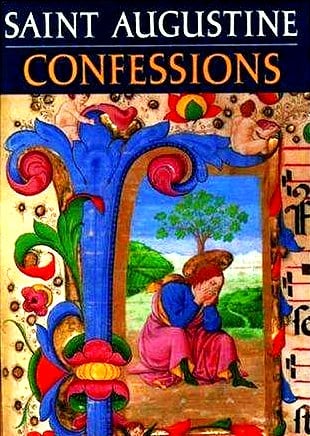
Augustine's spiritual autobiography recounting his youthful waywardness and conversion to Christianity, addressed to God. Among the earliest Western autobiographies, it shaped Christian theology and confessional literature.
Marx and Engels's political pamphlet outlining a theory of history driven by class struggle and calling for proletarian revolution against capitalism. One of the most influential political documents in modern history.
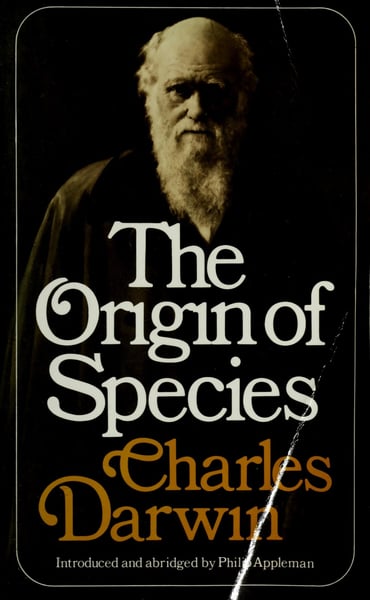
Charles Darwin · Evolution, Natural selection, Species
Darwin's presentation of the theory of evolution by natural selection, arguing that species descend with modification from common ancestors. It transformed biology and reshaped understanding of life's diversity.
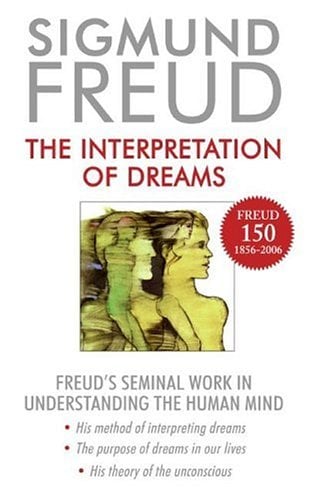
Freud's foundational work introducing psychoanalysis, arguing that dreams are disguised fulfillments of repressed wishes and a 'royal road' to the unconscious. It established core concepts like the unconscious mind, dream-work, and symbolic interpretation.
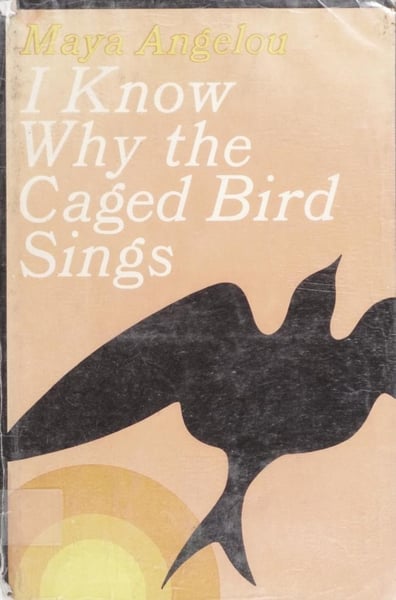
Maya Angelou · Biography & Autobiography, African American women authors, Childhood and youth
The first volume of Maya Angelou's autobiography, recounting her childhood in the segregated American South and her experience of racism, trauma, and resilience. It explores identity, displacement, and the redemptive power of literature and language.
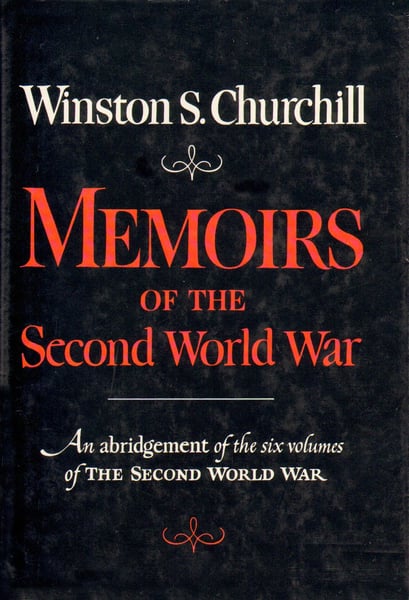
Winston Churchill · World War, 1939-1945, Personal narratives, British, Military leadership
Churchill's six-volume history of World War II, blending memoir, documents, and narrative from a leader's vantage point. The work, central to his Nobel Prize in Literature, shaped enduring popular and political understanding of the conflict.
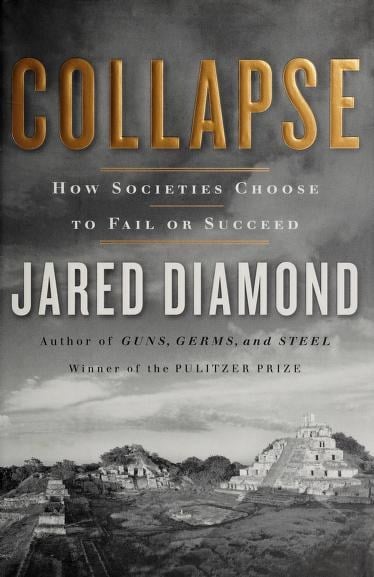
Jared Diamond · Sociology, Environment, Social change
Jared Diamond examines why past societies, from Easter Island to the Norse Greenland settlements, collapsed, identifying environmental damage, climate change, and failed responses as key factors. It draws lessons for the sustainability of modern civilizations.
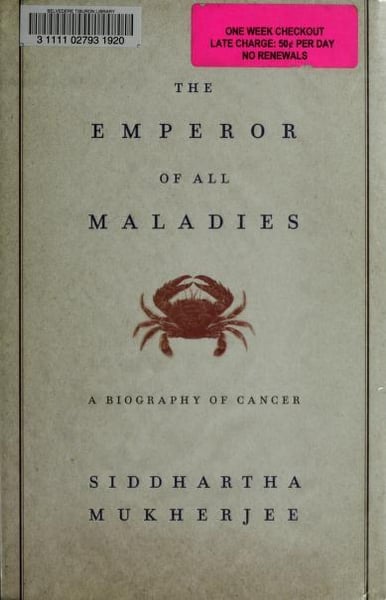
Siddhartha Mukherjee · Medical history, Cancer, Oncology
Subtitled 'A Biography of Cancer,' Mukherjee's Pulitzer Prize-winning history traces the disease from antiquity through modern oncology. It weaves science, medicine, and patient stories to chronicle humanity's long effort to understand and treat cancer.
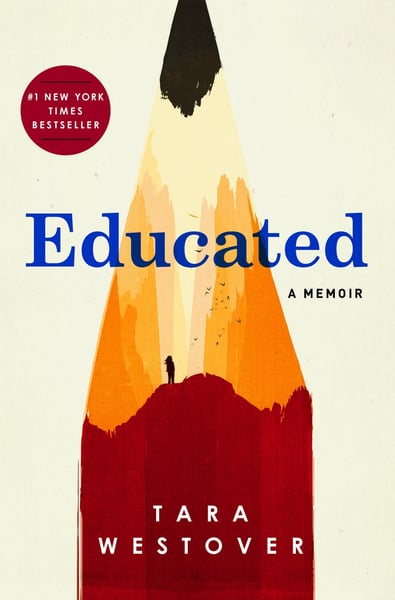
Tara Westover's memoir of growing up in a survivalist family in rural Idaho without formal schooling, then pursuing education to a Cambridge doctorate. It examines self-invention, family loyalty, and the transformative cost of knowledge.
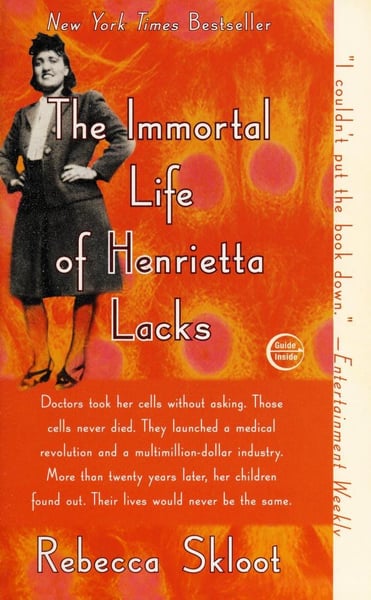
Rebecca Skloot tells the story of Henrietta Lacks, whose cancer cells were taken without consent in 1951 and became the immortal HeLa line vital to medical research. It probes ethics, race, and the human story behind a scientific breakthrough.
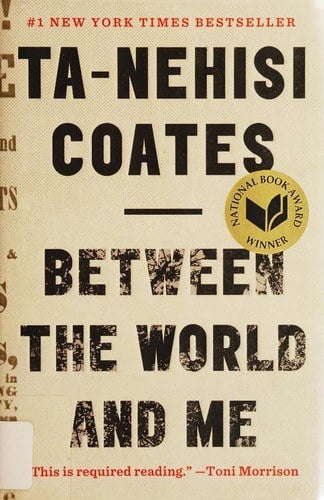
Written as a letter to his teenage son, Ta-Nehisi Coates reflects on the realities of being Black in America and the vulnerability of the Black body. It interweaves memoir, history, and meditation on race, fear, and national mythology.
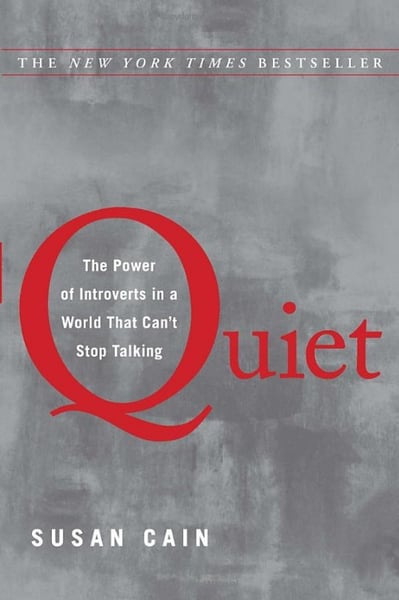
Susan Cain · Introverts, Introversion, Extraversion
Susan Cain argues that Western culture undervalues introversion despite its strengths, drawing on psychology and neuroscience. Subtitled 'The Power of Introverts in a World That Can't Stop Talking,' it makes the case for quiet temperaments in work and life.
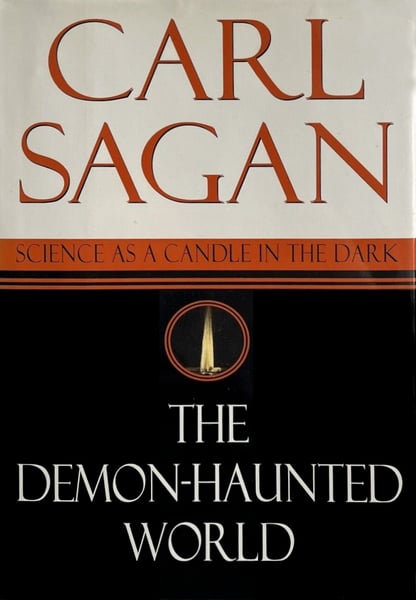
Carl Sagan champions scientific skepticism and critical thinking as defenses against pseudoscience and superstition. Subtitled 'Science as a Candle in the Dark,' it offers a 'baloney detection kit' and argues for the value of evidence-based reasoning in a democracy.



还没有评论 — 来抢沙发吧。