10 masterpieces from the titan of Russian literature
CE
Caleido Editorial TeamJune 1, 202620 min read0 views
Leo Tolstoy (1828-1910) is widely regarded as one of the greatest novelists in all of literature. Born into Russian aristocracy, he produced an extraordinary body of work that ranges from the sweeping historical epic of War and Peace to the intimate psychological devastation of Anna Karenina. His later years saw a radical moral transformation that turned him from celebrated novelist into a philosopher of nonviolence, Christian anarchism, and ascetic renunciation.
Hidden Gems & Little-Known Facts
While War and Peace and Anna Karenina are universally celebrated, several of Tolstoy's shorter works deserve far wider readership. Hadji Murad (1912, published posthumously), a novella about a Chechen warrior caught between Russian imperial forces and his own people, was Harold Bloom's pick for the greatest novella ever written — Bloom called it 'the best story in the world.' The Death of Ivan Ilyich (1886) is frequently cited by critics as the greatest novella in any language, a harrowing exploration of mortality that strips away every social pretense. A Confession (1882) marks the pivotal turning point where Tolstoy abandoned fiction for philosophy — a raw, desperate account of his existential crisis that influenced thinkers from Wittgenstein to the existentialists.
Tolstoy was excommunicated from the Russian Orthodox Church in 1901 for his radical religious views — an act that only increased his worldwide fame. He corresponded extensively with Mahatma Gandhi, whose philosophy of nonviolent resistance was directly inspired by Tolstoy's treatise The Kingdom of God Is Within You. In his final decades, Tolstoy renounced his aristocratic wealth, his copyright, and attempted to give away his estate — a decision that caused bitter family conflict. He died at the age of 82 at a remote railway station, having fled his home in the middle of the night.
Leo Tolstoy · Russian literature, Autobiographical fiction, Childhood
Tolstoy's debut work and the first part of his autobiographical trilogy (followed by Boyhood and Youth), tracing the inner life of young Nikolenka Irtenyev as he experiences family, loss, and dawning self-awareness on a country estate.
Leo Tolstoy · Russian literature, Fiction, Marriage
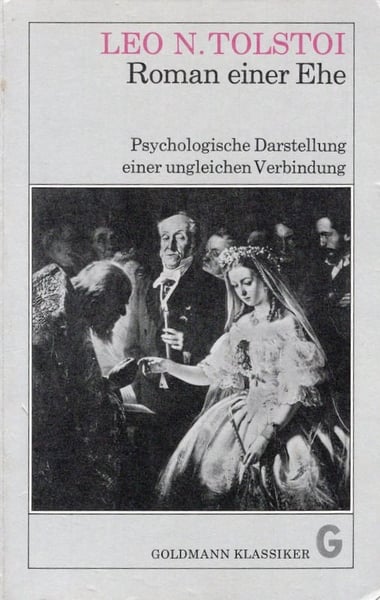
A short novel narrated by a young woman whose romance with an older family friend leads to marriage, charting how passionate love cools into the quieter contentment of domestic life and shared maturity.
Leo Tolstoy · Russian literature, Cossacks, Fiction
A short novel in which a disillusioned young Moscow nobleman joins the army in the Caucasus and is drawn to the natural, unaffected life of the Cossacks, contrasting civilized society with an idealized vision of nature and simplicity.
Leo Tolstoy · Russian literature, Historical Fiction, Napoleonic Wars
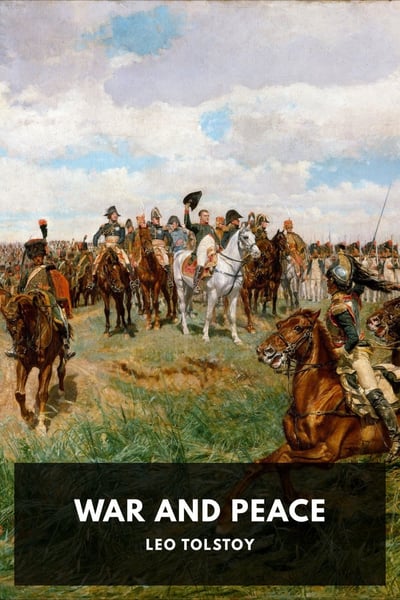
An epic novel following five aristocratic families through Russian society during the Napoleonic Wars and the 1812 invasion, interweaving private destinies with vast historical events and Tolstoy's reflections on history, free will, and meaning.
Leo Tolstoy · Russian literature, Adultery, Marriage
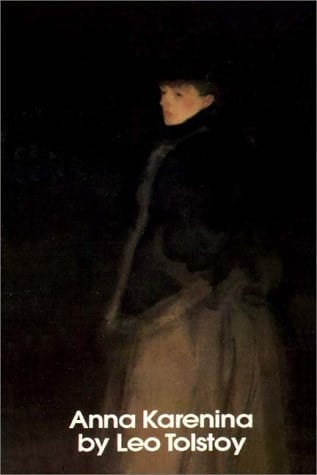
The tragic story of Anna Karenina, who abandons her marriage for an affair with Count Vronsky and faces the hypocrisy of high society, set against Levin's parallel search for meaning in love, family, and rural life in nineteenth-century Russia.
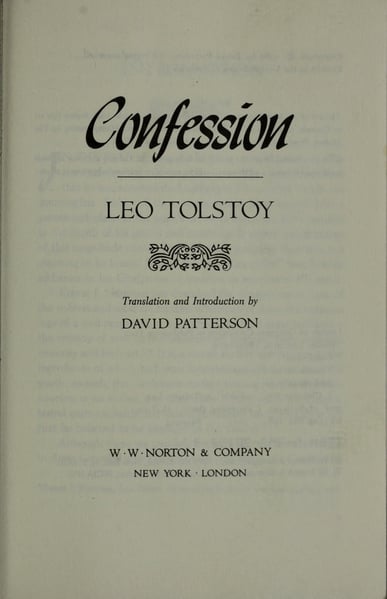
A spiritual autobiography in which Tolstoy recounts the mid-life crisis of meaning that drove him to despair, his rejection of his earlier life, and his search for faith, marking his turn toward the radical Christian morality of his later years.
Leo Tolstoy · Russian literature, Novellas, Death in fiction
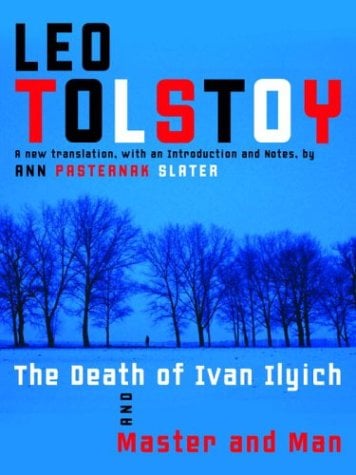
A novella tracing the illness and death of a self-satisfied high-court judge who, confronting his own mortality, comes to see the emptiness of his conventional, status-driven life and reaches a late spiritual awakening.
Leo Tolstoy · Russian literature, Man-woman relationships, Jealousy
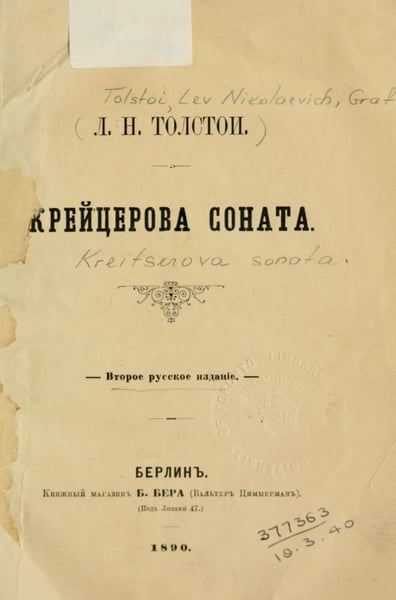
A novella told as a railway-carriage confession by a man who murdered his wife out of jealousy, framing Tolstoy's intense critique of sexual desire, marriage, and the moral hypocrisies surrounding love.
Leo Tolstoy · Russian literature, Social justice, Prostitutes
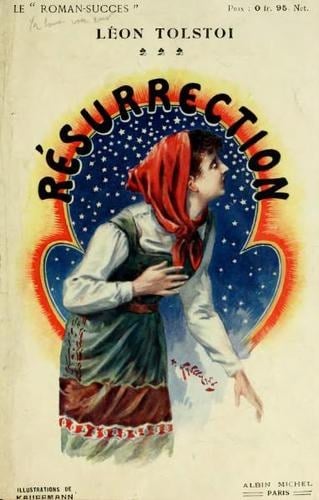
Tolstoy's last full-length novel, in which a nobleman serving on a jury recognizes the woman he once seduced and follows her to Siberia in an act of atonement, framing a sweeping indictment of the penal system, church, and social injustice.
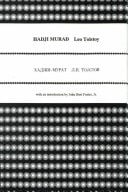
Leo Tolstoy · Russian literature, Caucasus, Historical fiction
A short novel published posthumously, recounting the real-life Avar commander Hadji Murad, who defects from the Caucasian resistance to the Russians during the Caucasian War, dramatizing divided loyalty, courage, and the brutality of empire.

No comments yet — be the first.