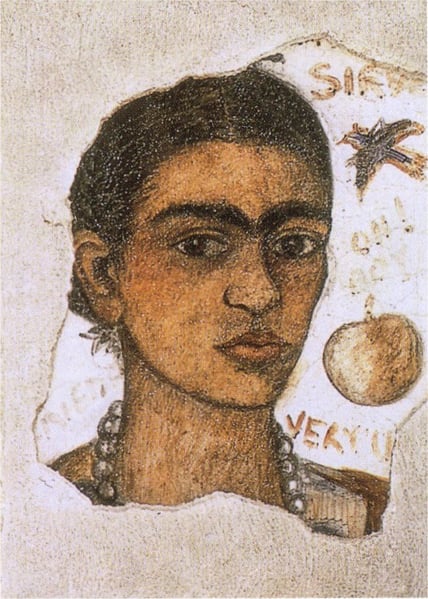
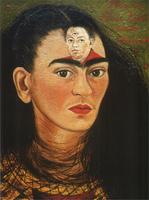
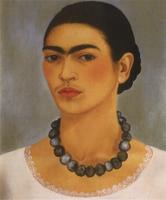
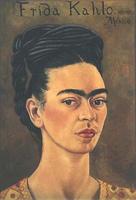
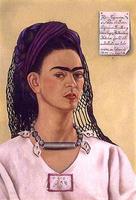
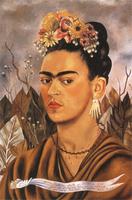
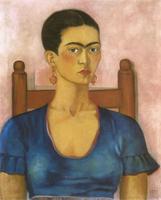
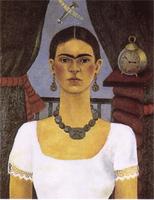
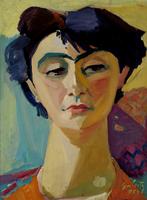
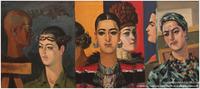
This unflinching self-portrait by Frida Kahlo is significant within the Naïve Art (Primitivism) style for its radical rejection of idealized beauty—a defining trait of the movement. The work’s very title, Self-Portrait Very Ugly, announces a deliberate departure from conventional self-representation. In the Naïve tradition, artists often embrace flat perspective, vivid colors, and a childlike directness; Kahlo applies this raw, unpolished approach to the genre of the self-portrait, traditionally reserved for dignified or flattering likenesses. By labeling herself as “ugly,” she subverts the viewer’s expectations and asserts the authenticity of her own experience—a hallmark of Primitivism’s celebration of instinct over academic refinement. This work therefore stands as a powerful, unfiltered statement of identity, using the Naïve style’s simplicity to expose vulnerability and resilience, and challenging the very purpose of a self-portrait as a document of truth rather than vanity.