Экспертный разбор работы «The Fortune Teller» художника Pietro Longhi
Стиль: Rococo · Жанр: genre painting
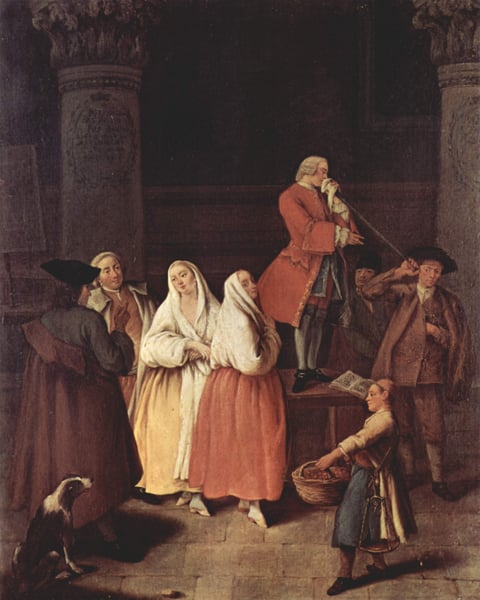
Expert Analysis: The Fortune Teller by Pietro Longhi (c. 1750s)
Pietro Longhi’s The Fortune Teller exemplifies a distinctive Venetian inflection within the Rococo tradition. While French Rococo often celebrated aristocratic frivolity and mythological idylls, Longhi specialized in intimate, observational genre scenes that capture the everyday life of 18th-century Venice—its customs, class tensions, and quiet dramas.
Significance within the Rococo Style
Unlike the ornate, pastel-hued fantasies of Boucher or Fragonard, Longhi’s work grounds Rococo’s characteristic lightness in psychological realism. Here, a fortune teller (likely a zingara, or gypsy) leans toward a young, elegantly dressed woman, her gesture suggesting a palm reading or whispered prophecy. The composition is tightly framed, drawing the viewer into a private moment of transaction—part entertainment, part superstition. Longhi’s brushwork is delicate but precise; the soft lighting and muted tonalities typical of Venetian painting give the scene an air of understated theatricality rather than bombast.
Genre Painting as Social Commentary
Longhi’s significance lies in his role as a chronicler of Venetian society. The Fortune Teller subtly probes themes of gullibility, desire, and social hierarchy. The young woman’s attentive posture and the fortune teller’s knowing smile hint at a power imbalance—one that Longhi treats with gentle irony rather than harsh satire. The painting also reflects the period’s fascination with the exotic and the occult, a popular trope in 18th-century entertainment. By depicting this encounter in a contemporary domestic setting, Longhi elevates a mundane interaction into a commentary on human credulity and the fleeting nature of fortune.
Artistic Legacy
Longhi’s work bridges the Rococo’s decorative charm with the emerging Enlightenment interest in everyday life, prefiguring the more overtly moralizing genre scenes of William Hogarth in England and the scènes de genre of Jean-Baptiste-Siméon Chardin in France. The Fortune Teller remains significant because it transforms a fleeting, almost voyeuristic glimpse into a timeless meditation on fate, class, and the quiet theater of Venetian society.
Museum / Gallery
Визуально похожие
20 работ с близкой композицией и палитрой
The `New World'
Pietro Longhi
The Fortune Teller
Pietro Longhi
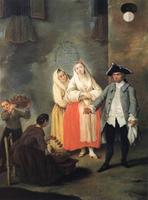
The Seller of Fritters
Pietro Longhi
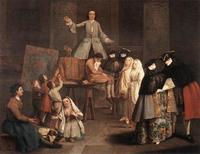
The Tooth Puller
Pietro Longhi
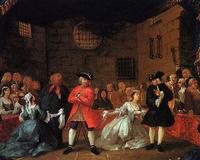
A Scene from the Beggar's Opera
William Hogarth
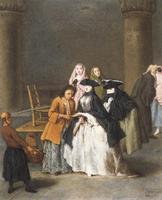
A Fortune Teller at Venice
Pietro Longhi
The Denunciation
William Hogarth
The Beggar's Opera
William Hogarth
Davel Executed
Charles Gleyre

The Pharmacist
Pietro Longhi
Conversation Piece
Peter Angellis
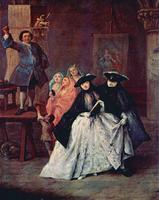
The Charlatan
Pietro Longhi
The Card Players
Pieter de Hooch
Aufbruch eines Edelmanns zu einer Mission
Peter Angellis
La reina Ana y los Caballeros de la Jarretera
Peter Angellis
Two Soldiers and a Serving Woman with a Trumpeter
Pieter de Hooch
The Huntsman and the Lady
Gabriel Metsu
Suicide of the Countess
William Hogarth

The Village Bride
Jean-Baptiste Greuze
Falstaff Examining His Recruits
William Hogarth