Análisis experto de Adoration of the Shepherds de Caravaggio
Estilo: Baroque · Género: religious painting
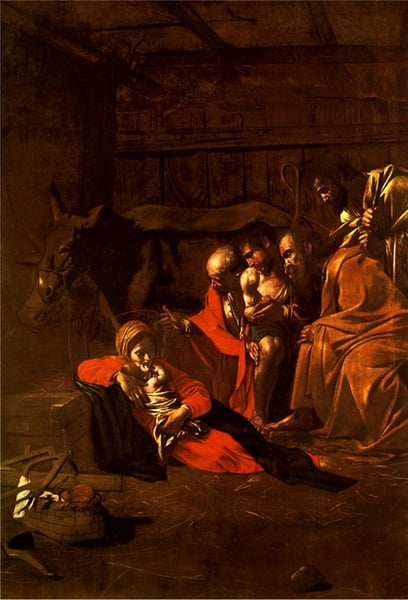
Painted in 1609 during Caravaggio’s tumultuous exile in Sicily, the Adoration of the Shepherds stands as a profound testament to the artist's late, "dark" style. Unlike the triumphant, crowded nativities of the Renaissance, this composition is defined by a vast, oppressive negative space that occupies the upper half of the canvas, crushing the figures below into a huddled, intimate mass. Caravaggio utilizes his signature tenebrism—the dramatic contrast of light and dark—not merely for theatrical effect, but to create a mood of solemn silence and vulnerability. The light does not descend from a heavenly host of angels but rather emanates from the figures themselves, highlighting the weary, weathered faces of the shepherds and the exhausted slump of the Virgin Mary, who rests directly on the earth rather than a throne, embodying the concept of the Madonna of Humility.
The painting is radically naturalistic, stripping away the idealization usually afforded to the Holy Family to reveal a scene of abject poverty and human connection. Mary is depicted not as a queen of heaven, but as a refugee mother clutching her child protectively, dressed in the common reds and browns of a peasant. The shepherds are rendered with rough, unwashed feet and receding hairlines, their postures conveying a mixture of curiosity and reverence. In the foreground, a humble still life—a basket containing a loaf of bread and carpenter’s tools—serves as a poignant symbol of Joseph’s trade and the earthly reality of the Incarnation, while the faint outlines of the ox and donkey in the background emerge like ghosts from the gloom.
Historically, this work reflects the psychological state of Caravaggio as a fugitive seeking redemption while on the run for murder. The somber palette and the reduction of the divine to its most essential, human elements suggest an artist grappling with mortality and grace. By grounding the sacred event in dirt and darkness, Caravaggio revolutionized religious art, suggesting that the divine is found not in golden clouds, but in the bleakest and most humble corners of human existence.
Género
Estilo
Visualmente similares
20 obras con composición y paleta relacionadas
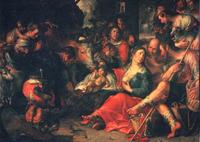
Adoration by the Shepherds
Joachim Wtewael
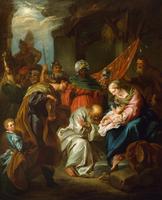
The Adoration of the Magi
François Lemoyne

Adoration of the Magi
Peter Paul Rubens
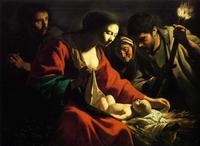
Nativity with the Torch
Le Nain brothers
The Adoration of the Shepherds
Gaspar de Crayer
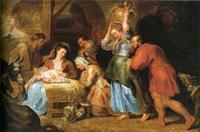
Adoration of the Shepherds
Peter Paul Rubens
Adoration of the Shepherds
Pieter Codde
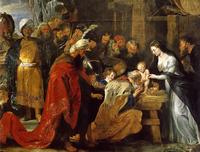
Adoration of the Magi
Peter Paul Rubens
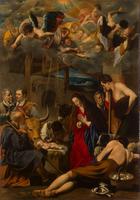
Adoration of the Shepherds
Juan Bautista Maíno
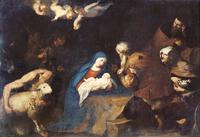
Adoration of the Shepherds
Jusepe de Ribera

The Adoration of the Magi
Matthias Stom
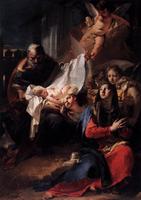
Nativity
Giovanni Battista Tiepolo
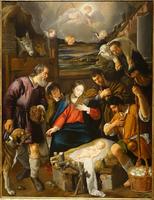
Adoration of the Shepherds
Juan Bautista Maíno
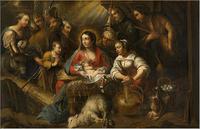
The Adoration of the Shepherds
Jan Cossiers
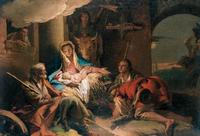
The Adoration of the Shepherds
Giovanni Domenico Tiepolo
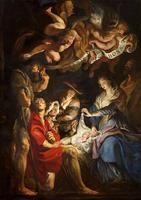
Adoration of the Shepherds
Peter Paul Rubens
The Adoration of the Magi
Jan de Bray
Adoration of the Shepherds
El Greco
Adoration of the Shepherds
Peter Paul Rubens
Adoration of the Magi
Jacob Jordaens