Analyse experte de Bacchus de Caravaggio
Style : Baroque, Tenebrism · Genre : mythological painting
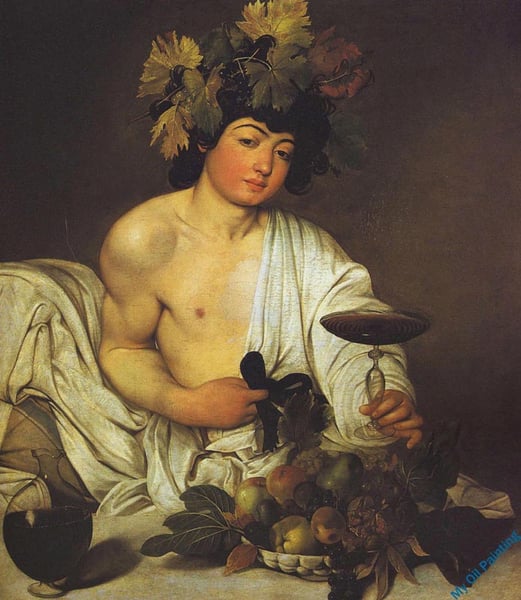
Caravaggio’s Bacchus (c. 1596–97) stands as a landmark of early Baroque painting, executed in the artist’s signature tenebrist style. The work reimagines the classical god of wine not as an idealized, heroic figure, but as a strikingly real, androgynous youth, lounging with a casual, almost provocative ease. This shift from idealization to raw naturalism marks the painting’s enduring significance.
Tenebrism and Psychological Drama
Caravaggio’s use of extreme chiaroscuro—tenebrism—plunges most of the composition into deep shadow while illuminating Bacchus’s face, torso, and the still-life offerings. This selective light focuses the viewer’s attention on the god’s flushed cheeks, the glistening grapes, and the subtly erotic tilt of his head. The dramatic contrast heightens the sense of immediacy and intimacy, making the mythological subject feel present and tangible rather than distant and divine.
Realism and Subversion of Tradition
Unlike Renaissance depictions of Bacchus as a serene, classical deity, Caravaggio’s version is deliberately imperfect: the boy’s skin is flushed with drink, his fingernails are dirty, and his expression is drowsy and seductive. The inclusion of a rotting still-life—a pomegranate, grapes, and a carafe of wine—grounds the painting in mortality and sensory decay. By portraying the god of ecstasy with such earthbound flaws, Caravaggio challenged the idealized conventions of mythological painting, infusing it with a gritty humanity that became a hallmark of Baroque naturalism.
Symbolic Ambiguity and Sensuality
The outstretched glass of wine and the figure’s direct gaze create a complex interplay of invitation and challenge. The god’s ambiguous gender, soft flesh, and knowing smirk introduce a layer of homoerotic tension, which contemporary viewers would have recognized as both alluring and transgressive. This psychological depth—the sense that Bacchus is not simply a myth but a living, manipulating presence—elevates the work beyond a mere illustration.
In sum, Bacchus is significant for its revolutionary blend of tenebrist lighting, unflinching realism, and psychological complexity, forever altering the course of Baroque painting and establishing Caravaggio as a master of both sensory immediacy and subversive storytelling.
Museum / Gallery
Visuellement similaire
20 œuvres à la composition et à la palette proches
David with the Head of Goliath
Simon Vouet
Young Sick Bacchus
Caravaggio
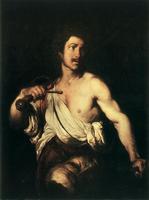
David with the Head of Goliath
Bernardo Strozzi
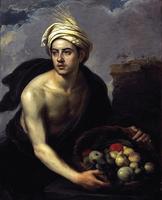
A Young Man with a Basket of Fruit
Bartolome Esteban Murillo
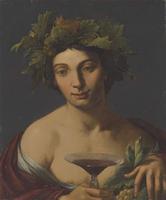
Bacchus
Caravaggio
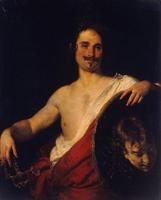
Portrait of Giovan Donato Correggio
Bernardo Strozzi
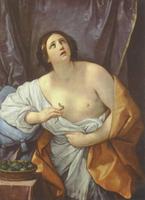
Cleopatra
Guido Reni
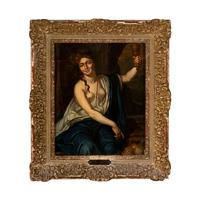
Allegoria dell’estate
Constantijn Netscher
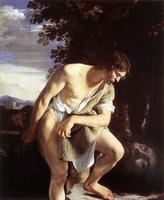
David Contemplating the Head of Goliath
Orazio Gentileschi
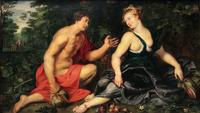
Vertumnus & Pomona
Peter Paul Rubens
Rinaldo and Armida
Francesco Hayez
St. John the Baptist
Andrea del Sarto
Suicide of Lucretia
Guido Reni
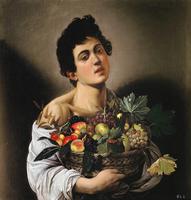
Boy with a Basket of Fruit
Caravaggio
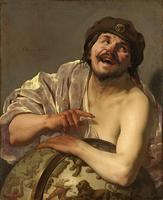
Democritus
Hendrick Terbrugghen
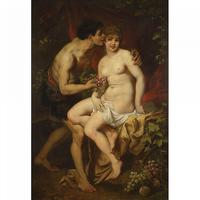
BACCHUS
Carl Schweninger the Elder
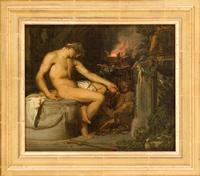
Sketch for Orestes
Alexandre Cabanel
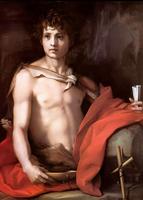
St. John the Baptist
Andrea del Sarto
Saint John the Baptist
Jacob Jordaens
Pleasure
Anton Raphael Mengs