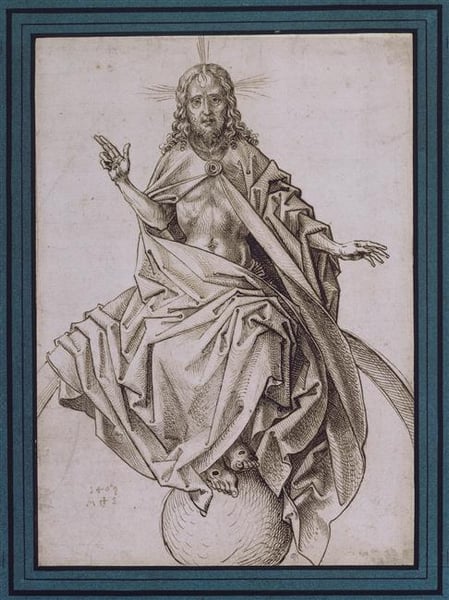
The Last Judgement
Analisi esperta di The Last Judgement di Rogier van der Weyden
Stile: Northern Renaissance · Genere: sketch and study
As an expert art historian, I will analyze "The Last Judgement" by Rogier van der Weyden using only the provided structured facts: it belongs to the Northern Renaissance style and is classified as a sketch and study.
Expert Analysis
In the context of the Northern Renaissance, where meticulous detail, luminous oil technique, and complex iconography reigned, a work categorized as a sketch and study holds unique significance. Unlike the finished altarpieces or devotional panels for which van der Weyden is famed, this artwork offers a rare, direct window into the artist's creative process.
Significance within Northern Renaissance Art:
-
Revelation of Working Method: Northern Renaissance masters like van der Weyden were known for their polished, almost jewel-like final works. A preparatory sketch or study reveals the foundational stages of composition, figural arrangement, and emotional expression that preceded the final painting. This artwork likely shows how van der Weyden planned the dramatic verticality of the Last Judgement scene, balancing the celestial Christ with the weighing of souls and the damned, using rapid, expressive lines rather than fully rendered detail.
-
Emphasis on Draftsmanship: While Northern painting is celebrated for its optical realism, a study underscores the equal importance of drawing. Van der Weyden’s skill in conveying psychological intensity and narrative clarity through line alone—without color or glazes—demonstrates that his art was built on rigorous draftsmanship. The "sketch and study" genre here highlights his mastery of contour, proportion, and gesture, which later informed the finished altarpiece's emotive power.
-
Insight into Compositional Decision-Making: As a study, this artwork likely contains pentimenti (revisions) or varying degrees of finish, showing van der Weyden experimenting with the arrangement of the blessed and the damned, or the central figure of Christ the Judge. This process is rarely visible in Northern Renaissance painting, making this work invaluable for understanding how a master balanced the demands of theological narrative with aesthetic harmony.
-
Rarity and Documentary Value: Finished Northern Renaissance paintings survive in relative abundance, but sketches and studies are far rarer, as they were often discarded or reused. The survival of this work provides a crucial counterpoint to the highly finished public works, offering a more intimate and unvarnished record of the artist’s hand and mind.
In summary, "The Last Judgement" as a sketch and study is significant not merely as a preliminary step toward a larger composition, but as a standalone document of Rogier van der Weyden’s intellectual and technical approach. Within the Northern Renaissance, it illuminates the preparatory discipline behind the era's celebrated realism and emotional depth.
Museum / Gallery
Visivamente simili
20 opere con composizione e palette affini
The Last Judgment
Albrecht Durer
Blessing Savior
Albrecht Durer
Study Of Drapery
Albrecht Durer
Man Of Sorrows, Seated
Albrecht Durer
St. Thomas
Albrecht Durer
St. Lucia, from the episode "Holy Women"
Agostino Carracci
St. Paul (First State)
Albrecht Durer
Saint John the Evangelist
Bartolomeo Passerotti
St John`s Vision of Christ and the Seven Candlesticks
Albrecht Durer
Man Of Sorrows With Hands Bound
Albrecht Durer
St. Christopher Carrying the Christ Child
Albrecht Durer
Study for a Young Man Dancing
Giovanni Battista Gaulli
Drawing from the "Tarot" Prudence
Albrecht Durer
Apostle
Domenico Beccafumi
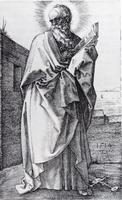
St. Paul (Second State)
Albrecht Durer
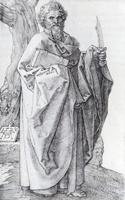
St. Bartholomew
Albrecht Durer
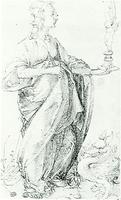
Prudentia
Albrecht Durer
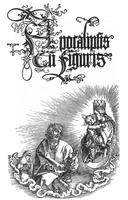
Title page to the second Latin Edition of 1511
Albrecht Durer
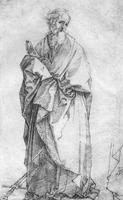
St. Paul
Albrecht Durer
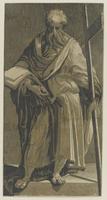
Saint Philippe
Domenico Beccafumi