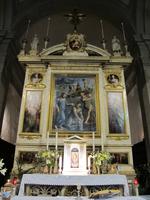
Expert Analysis: "The Blessed Lodovica Albertoni" by Gian Lorenzo Bernini
Style: Baroque | Genre: Sculpture
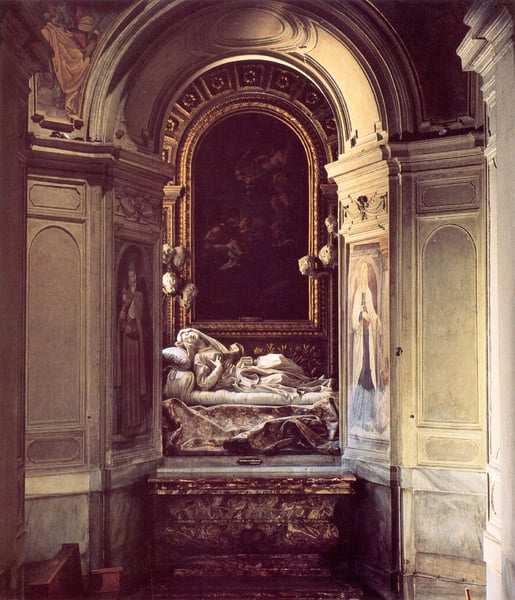
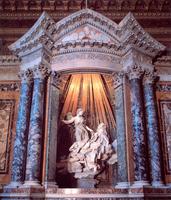
Bernini’s The Blessed Lodovica Albertoni stands as a quintessential example of High Baroque sculpture, where spiritual transcendence is rendered with breathtaking physicality. The work depicts the 16th-century Roman noblewoman and beatified mystic in a moment of ecstatic union with the divine, her body contorted in a swoon that blurs the boundary between earthly suffering and heavenly rapture.
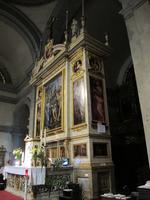
What makes this piece significant is Bernini’s revolutionary ability to capture fleeting emotion in solid marble—a hallmark of Baroque art. The figure’s reclining pose, the drapery that seems to ripple with her breath, and the deeply undercut folds of cloth and flesh create a play of light and shadow (chiaroscuro) that animates the surface, making the stone appear to pulse with life. The theatricality of the composition, designed to be viewed from below within the altar of the San Francesco a Ripa church in Rome, engages the viewer as a participant in the saint’s rapture. Her half-closed eyes, parted lips, and thrown-back head convey a moment of ecstatic death that is both physically intense and spiritually serene.
Bernini’s genius lies in fusing the tactile realism of the Baroque with a transcendent, otherworldly drama. The sculpture does not merely depict a dying woman; it visualizes the soul’s release from the body, making the invisible visible—a central ambition of Counter-Reformation art. It stands as a masterwork of emotional and sensory persuasion, emblematic of Bernini’s unrivaled ability to turn cold marble into a vessel for divine passion.