Analisi esperta di The Emperor Constantine di Gian Lorenzo Bernini
Stile: Baroque · Genere: sculpture
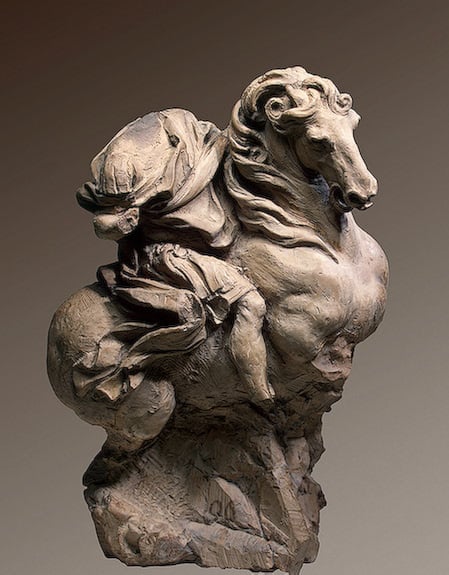
As an expert in Baroque art, I can provide a focused analysis of Gian Lorenzo Bernini's sculpture The Emperor Constantine based on the supplied facts. The work is a quintessential example of the Baroque style, and its significance lies in how it embodies the period's defining characteristics while pushing the boundaries of sculpture as a medium.
Significance within the Baroque Style:
-
Dramatic Intensity and Movement: The Baroque era prized dynamic, emotionally charged compositions that captured a single, climactic moment. Bernini’s sculpture achieves this by freezing a narrative instant—likely the Emperor Constantine's vision of the cross before the Battle of Milvian Bridge. The figure is shown in a state of sudden, dramatic revelation, with the body twisting and the eyes, expression, and posture conveying a palpable sense of spiritual awakening. This is not a static, idealized portrait but a psychologically charged scene, making the viewer feel the urgency of the event.
-
Theatricality and Viewer Engagement: Baroque art often aimed to immerse the spectator, blurring the line between art and reality. As a sculpture, The Emperor Constantine is designed to be seen from multiple angles, with the figure's dynamic pose—legs striding, torso turning, arm raised—directing the viewer’s eye around the form. The work’s placement (often in a niche or as part of a larger ensemble like in the Scala Regia of the Vatican) enhances its theatrical impact, inviting the observer to become part of the divine narrative.
-
Psychological and Spiritual Depth: Bernini was a master of rendering inner states through outer form. In this sculpture, the emperor is not merely a historical figure but a vessel for profound faith and conversion. The tension in the muscles, the intense gaze, and the open mouth suggest a moment of divine intervention and personal transformation. This focus on emotional and spiritual experience—rather than cold intellectualism—is a hallmark of Baroque religious art, aimed at inspiring devotion and awe in the viewer.
-
Technical Virtuosity: While specific materials are not noted, Bernini’s ability to carve marble (or bronze, depending on the version) with such lifelike texture—rendering the drapery, hair, and skin with varied surface treatments—demonstrates the Baroque emphasis on naturalism and sensory richness. The sculpture’s energy is achieved through a masterful handling of mass and void, creating a sense of weight and buoyancy simultaneously.
In sum, The Emperor Constantine is significant because it distills the Baroque spirit: a fusion of dynamic movement, theatrical presence, emotional intensity, and technical brilliance, all used to convey a transcendent spiritual moment. It stands as a testament to Bernini’s role as the defining sculptor of the Baroque, transforming a historical emperor into a living, breathing witness to the divine.
Museum / Gallery
Visivamente simili
20 opere con composizione e palette affini
Equestrian Statue of King Louis XIV
Gian Lorenzo Bernini
Equestrian Statue
Leonardo da Vinci
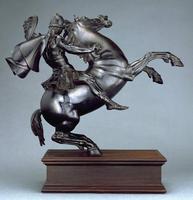
Warrior
Willem Danielsz van Tetrode
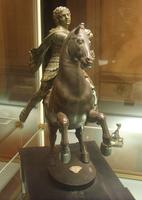
Cavaliere
Benvenuto Cellini
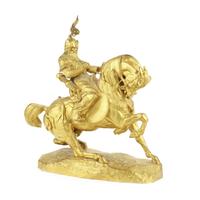
Tartar Warrior checking his horse
Antoine-Louis Barye
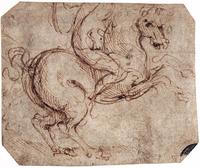
Study of a rider
Leonardo da Vinci
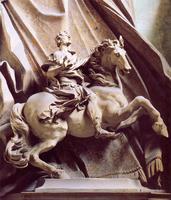
Constantine the Great
Gian Lorenzo Bernini
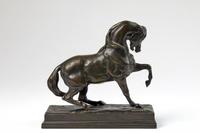
Cheval Turc No. 3
Antoine-Louis Barye
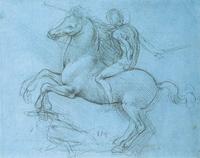
A study for an equestrian monument
Leonardo da Vinci
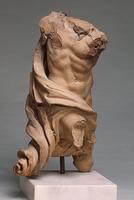
Torso of Neptune
Gian Lorenzo Bernini
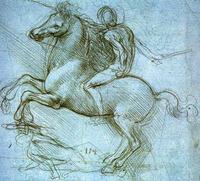
Study for the Sforza Monument
Leonardo da Vinci
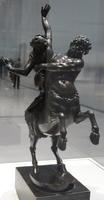
Deianira, Wife of Hercules, Abducted by the Centaur Nessus
Giambologna
Studies of Horsemen and Study of a Figure for a Deposition
Palma il Giovane
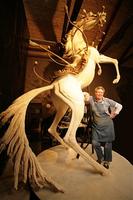
Rearing Arab Stallion - Maureen Quin – Master Sculptor – Decades of Sculptural Excellence
MAUREEN QUIN
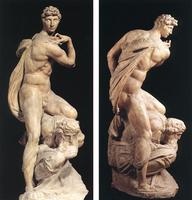
The Genius of Victory
Michelangelo
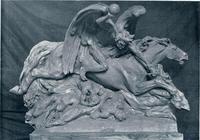
Potop
Joseph Urbania
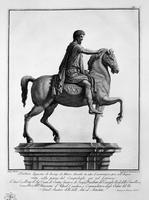
Equestrian statue of Marcus Aurelius
Giovanni Battista Piranesi
Circus Rider
Pietro Lazzari
Amor en tiempos de Atalanta
Fabiola Porras
Rearing horse
Leonardo da Vinci