This analysis relies solely on the provided structured facts—Style: Abstract Art and Genre: abstract—to highlight the work’s significance.
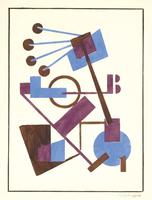
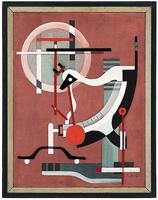
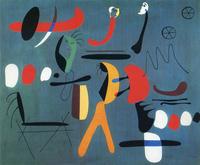
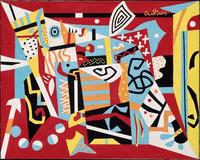
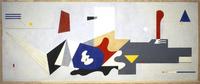
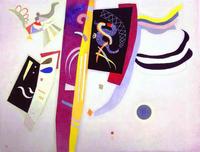
As an abstract painting within the Abstract Art movement, Kandinsky’s Composition is significant for its radical departure from representational imagery. Instead of depicting recognizable objects, the work uses purely abstract elements—line, form, and color—to convey emotion, rhythm, and spiritual meaning. This aligns with Kandinsky’s pioneering belief that art should express inner necessity and the harmony of the soul, rather than external reality.
Within the genre of abstract art, Composition stands as a landmark example of non-objective painting. It demonstrates how the removal of subject matter can intensify the viewer’s direct, visceral response to visual sensations. The work’s significance lies in its role as a foundational statement of abstract art, establishing that color and form alone can carry profound expressive power, and freeing painting from the constraints of narrative or representation.