
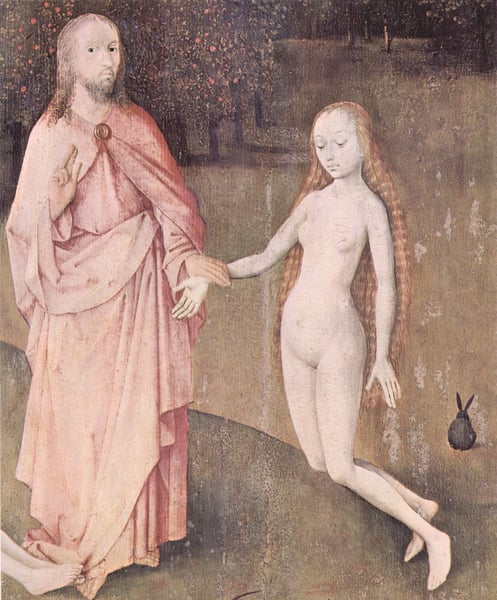
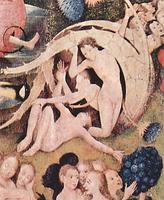
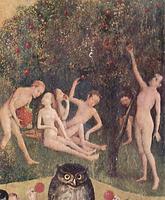
The Garden of Earthly Delights (detail)
Ayrıntılar
Hieronymus Bosch sanatçısının The Garden of Earthly Delights (detail) eseri hakkında uzman analizi
Tarz: Northern Renaissance · Tür: religious painting
Expert Analysis of "The Garden of Earthly Delights (detail)" by Hieronymus Bosch
As a work of the Northern Renaissance and a religious painting, this detail from Bosch’s iconic triptych exemplifies the period’s profound shift toward meticulous naturalism and symbolic complexity fused with deep spiritual inquiry. The Northern Renaissance, rooted in the Burgundian Netherlands, prioritized oil painting techniques that allowed for luminous color, minute surface textures, and an almost microscopic attention to the natural world—all of which Bosch brings to his fantastical compositions.
Significance within the Northern Renaissance
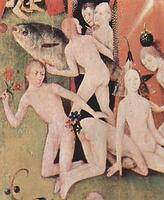
The detail—whether drawn from the central “Garden” panel or the Hell scene—demonstrates Bosch’s mastery of empirical observation as a vehicle for moral allegory. While Italian Renaissance artists often idealized human form and space, Northern painters like Bosch embedded everyday objects, plants, and animals with covert theological meanings. Here, even the strangest hybrid creatures are rendered with the same precision as a botanical study, grounding the surreal in a convincing, tangible reality. This technique heightens the work’s didactic impact: viewers are meant to delight in the detail while discerning the peril of sin.
Significance as a Religious Painting
Bosch’s work is a visual sermon on the consequences of human fallibility, a core concern of late medieval piety. The detail likely encapsulates the tension between innocence and corruption—a central theme of the entire triptych. Whether showing frolicking nude figures in the garden (symbolizing worldly pleasure and the Fall) or grotesque torments in Hell (the wages of sin), the artist forces a confrontation with mortality and divine judgment. His iconography, though often cryptic, draws from biblical exegesis, proverbs, and bestiaries, making the painting a layered catechism for the literate and illiterate alike.
What Makes This Detail Significant
When isolated, a detail from The Garden of Earthly Delights becomes a microcosm of Bosch’s genius: the marriage of the beautiful and the monstrous. A single leaf, fruit, or creature is never merely decorative; it is a moral signpost. The artist’s decision to place these elements in a spatially ambiguous, dreamlike setting—neither fully earthly nor heavenly—reflects the Northern Renaissance fascination with the liminal and the symbolic. This ambiguity invites endless interpretation, ensuring the work’s enduring power as a meditation on humanity’s place between grace and damnation.
In summary, this detail encapsulates the Northern Renaissance synthesis of observational prowess and religious allegory, making Bosch’s masterpiece a cornerstone of early modern visual theology.
Görsel olarak benzer
İlişkili kompozisyon ve renk paletine sahip 20 eser
Adam and Eve in the Garden of Eden
Lucas Cranach the Elder
The Garden of Earthly Delights (detail)
Hieronymus Bosch
The Golden Age
Lucas Cranach the Elder
The Golden Age
Lucas Cranach the Elder
Haywain (detail)
Hieronymus Bosch
Paradise
Lucas Cranach the Elder
The Garden of Earthly Delights (detail)
Hieronymus Bosch
Meeting of Joachim and Anne at the Golden Gate
Filippo Lippi
Diana and Actaeon
Lucas Cranach the Elder
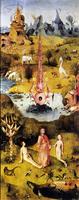
The Garden of Earthly Delights (detail)
Hieronymus Bosch
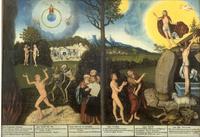
Law and Grace
Lucas Cranach the Elder

St. John the Baptist in the Wilderness
Limbourg brothers
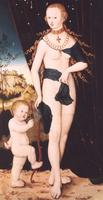
Venus and Cupid
Lucas Cranach the Elder
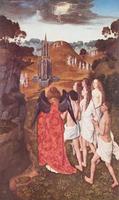
The way to Paradise
Dirk Bouts
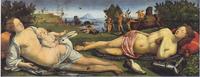
Venus, Mars, and Cupid
Piero di Cosimo
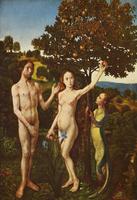
The Fall of Man
Hugo van der Goes
The Garden of Earthly Delights (detail)
Hieronymus Bosch
The Garden of Earthly Delights (detail)
Hieronymus Bosch
Law and Grace
Lucas Cranach the Elder
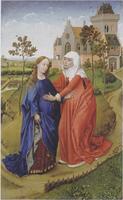
Visitation of Mary
Rogier van der Weyden