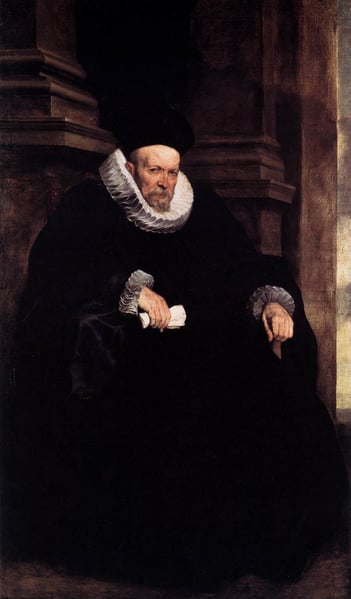
Expert analysis of Anthony van Dyck’s An Aristocratic Genoese
Style: Baroque · Genre: portrait
Expert Analysis: An Aristocratic Genoese by Anthony van Dyck
As a prime example of Baroque portraiture, van Dyck’s An Aristocratic Genoese encapsulates the era’s shift toward psychological depth and aristocratic grandeur. Executed during the artist’s formative stay in Genoa (c. 1621–1627), this work reflects his ability to merge the opulence of the Genoese nobility with a refined, naturalistic elegance that would later define the court portrait.
Significance within the Baroque Style and Portrait Genre:
- Baroque dynamism and presence: Van Dyck employs a rich, dark background typical of the Baroque, which thrusts the sitter into dramatic relief. The subtle turn of the body and direct, confident gaze create a sense of living presence—a hallmark of Baroque portraiture’s theatricality without overt excess.
- Aristocratic idealization: The sitter’s luxurious attire and relaxed posture signal both wealth and sprezzatura—the effortless grace highly prized in aristocratic circles. Van Dyck’s treatment of silk and lace, with loose, confident brushwork, prefigures his later English court portraits, where he revolutionized the genre by combining regal formality with intimate character.
- Psychological insight: Unlike earlier stiff formal portraits, van Dyck captures an air of cultivated detachment tinged with vulnerability. The half-length format and slight asymmetry in the sitter’s expression suggest inner life, elevating the work beyond mere likeness to a study of aristocratic persona.
Why It Matters:
This painting demonstrates van Dyck’s pivotal role in transforming the portrait from a static record into a vehicle for status, personality, and emotion. It stands as a bridge between the monumental naturalism of Rubens (his teacher) and the sophisticated, “atmospheric” portraiture of the later Baroque, influencing generations from Reynolds to Sargent. In depicting a single, anonymous Genoese noble, van Dyck immortalizes not just an individual but the very ethos of Baroque aristocracy: power worn with poise, and elegance animated by life.
Visually similar
20 works with related composition and palette
Portrait of an Old Man
Jacob Jordaens
Portrait of Ludovicus Nonnius
Peter Paul Rubens
Nicolaes Woutersz van der Meer
Frans Hals
Portrait of Johan Wierts
Jacob Jordaens
Portrait of a Man
Cornelis de Vos
Portrait of Nicolaes Ruts
Rembrandt
Portrait of Adriaen Stevens
Anthony van Dyck
Sir Thomas Aylesbury
William Dobson
Portrait of Haspar Hevarts
Peter Paul Rubens
Portrait of Johannes Wtenbogaert
Rembrandt
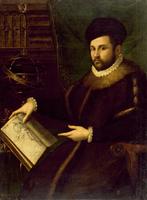
Portrait of Gerolamo Mercuriale
Lavinia Fontana
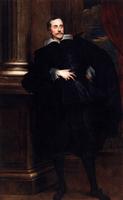
Portrait of Marcello Durazzo
Anthony van Dyck
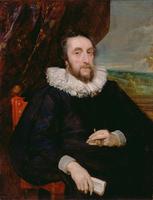
Thomas Howard, Second Earl of Arundel
Anthony van Dyck
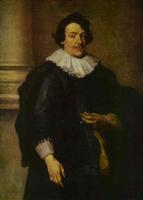
Portrait of a Gentleman Dressed in Black, in Front of a Pillar
Anthony van Dyck
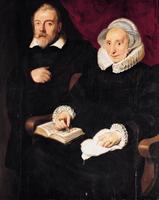
Portrait of Elisabeth Mertens and her Late Husband
Cornelis de Vos
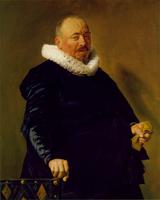
Portrait of an elderly man
Frans Hals
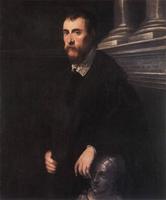
Portrait of Giovanni Paolo Cornaro
Tintoretto
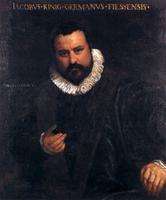
Portrait of Johann Jakob
Paolo Veronese
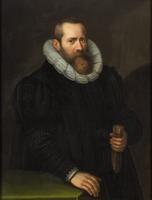
Portrait of a man
Karel Van Mander
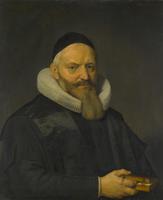
Portret Van Anthony De Wale
David Bailly