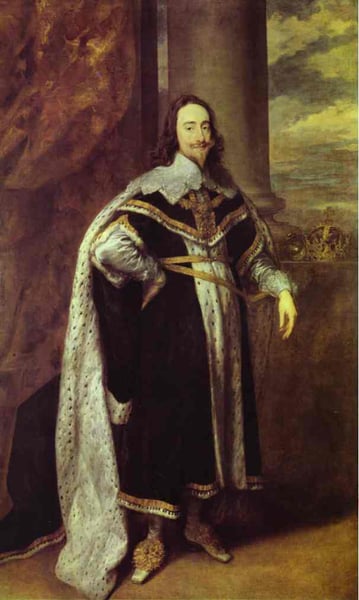
Expert analysis of Anthony van Dyck’s Charles I, King of England
Style: Baroque · Genre: portrait
Artwork: Charles I, King of England
Artist: Anthony van Dyck
Style: Baroque
Genre: Portrait
Expert Analysis
Anthony van Dyck’s portrait of Charles I stands as a quintessential example of Baroque portraiture, capturing the essence of monarchical authority through the style’s hallmark drama, elegance, and psychological depth. As the leading court painter of his era, van Dyck transformed the royal portrait into a statement of divine right and refined sovereignty.
Baroque Characteristics:
The work exemplifies the Baroque fascination with dynamism and theatricality. Van Dyck employs rich, deep colors—often with sumptuous fabrics and gleaming armor—to create a sense of opulence and movement. The king is typically posed with a relaxed yet commanding stance, often set against a dramatic sky or landscape, which imbues the scene with a timeless, heroic quality. The play of light and shadow (chiaroscuro) draws the viewer’s eye to Charles’s face and hands, emphasizing his composed dignity and intellectual calm. This is not merely a likeness; it is a performance of kingship.
Significance of the Portrait:
Van Dyck’s portrait redefined the image of monarchy in the 17th century. By blending Baroque grandeur with an intimate, almost conversational naturalism, he presented Charles I as both an unassailable ruler and a cultured, sensitive human being. The king’s elegant attire, subtle smile, and direct gaze convey a sense of innate authority without overt aggression—a visual manifesto of the Stuart belief in the king’s God-given right to rule. Moreover, van Dyck’s influence extended beyond England; his portrait style became the template for aristocratic and royal portraiture across Europe for generations.
In this work, van Dyck achieves what few painters of his time could: he makes the absolute monarch accessible, yet unquestionably supreme, securing the painting’s place as a masterpiece of Baroque portrait art.
Visually similar
20 works with related composition and palette
Portrait of Charles
Anthony van Dyck
Portrait of Henry Danvers, Earl of Danby, as a Knight of the Order of the Garter
Anthony van Dyck
James Bertie (c.1653–1699), 1st Earl of Abingdon
Michael Dahl
George IV
Thomas Lawrence
Charles Cornwallis (1675–1722), 4th Lord Cornwallis
Michael Dahl
John Murray
Thomas Lawrence
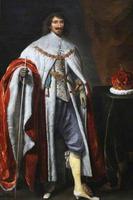
Philip Herbert (1584–1650), 4th Earl of Pembroke, 1st Earl of Montgomery, KG
Daniel Mytens the Elder
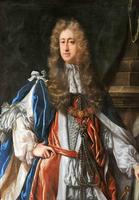
Henry Somerset
John Riley
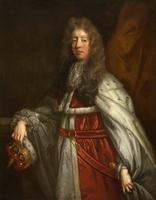
Colin, 3rd Earl of Balcarres
John Riley
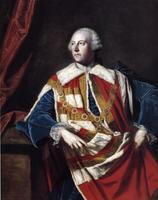
John Russel, 4th Duke of Bedford
Joshua Reynolds
Portrait of Frederick V, Elector Palatine, as King of Bohemia
Gerard van Honthorst
Portrait of Thomas Tufton - 6th Earl of Thanet
Jonathan Richardson
William, Lord Maxwell
John Riley
Matthias, Holy Roman Emperor, as King of Bohemia
Hans von Aachen
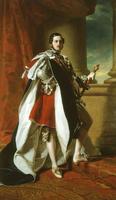
Portrait of Prince Albert
Franz Xaver Winterhalter
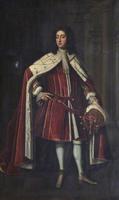
James Bertie
John Riley
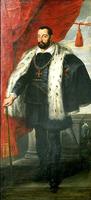
23. Francesco I De' Medici, Grand Duke of Tuscany, Father of Marie De' Medici
Peter Paul Rubens
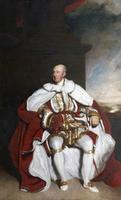
John Rolle
Thomas Lawrence
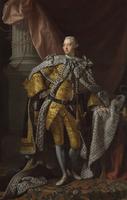
King George III in Coronation Robes
Allan Ramsay
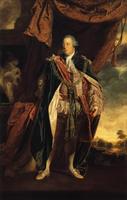
Portrait of Prince William Augustus, Duke of Cumberland, Son of George II
Joshua Reynolds