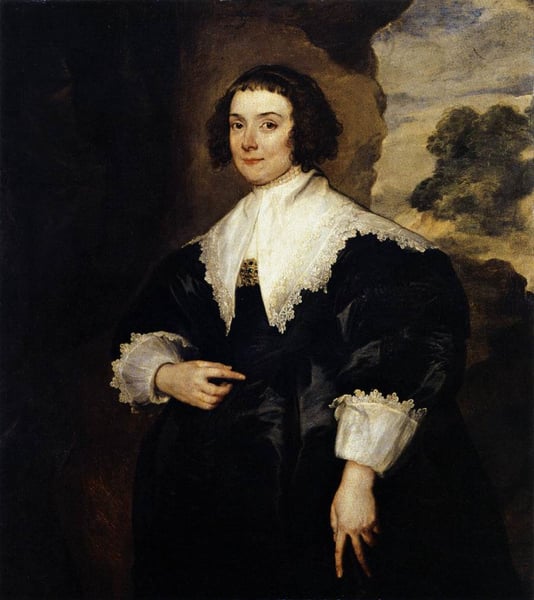
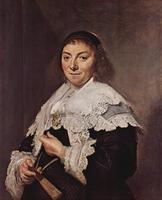
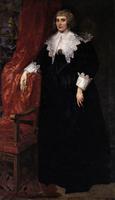
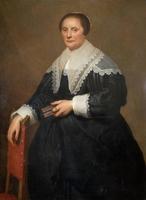
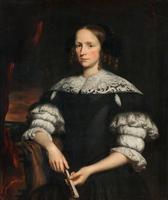
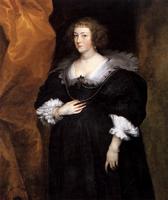
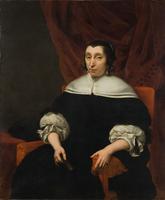
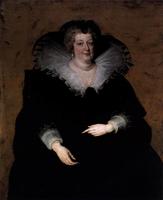
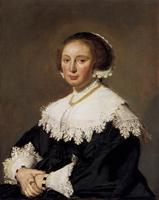
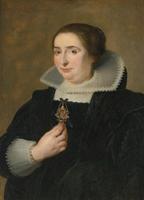
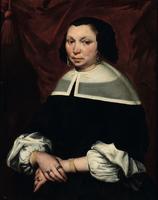
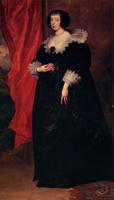
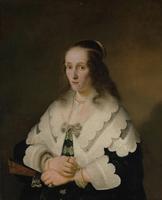
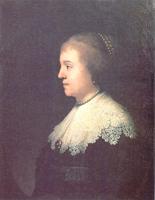
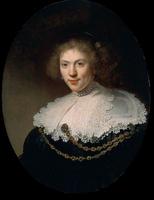
This portrait, created by Anthony van Dyck in 1634–35, exemplifies the Baroque era’s emphasis on grandeur, psychological depth, and refined elegance. As a leading Flemish portraitist of the 17th century, van Dyck elevated the genre by infusing his sitters with a sense of aristocratic poise and inner life. Here, Isabella van Assche is depicted with a quiet dignity that reflects both her social standing and the artist’s mastery of capturing character. The oil-on-canvas technique allows for rich, luminous flesh tones and subtle contrasts of light and shadow—hallmarks of Baroque naturalism. Van Dyck’s significance lies in his ability to merge the formal demands of portraiture with a graceful, almost theatrical presence, setting a standard for European court painting. This work is especially notable as a mature example of his style during the period when he was active in both Flanders and England, showcasing his skill in conveying the fashionable, composed identity of a wealthy burgher’s wife while also hinting at quiet introspection—a blend of realism and idealization that defines Baroque portraiture at its finest.