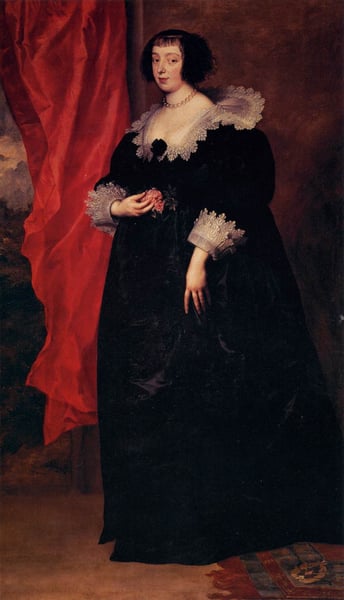
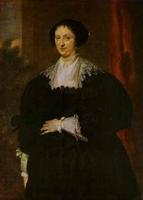
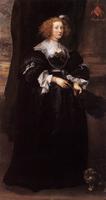
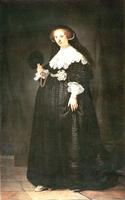
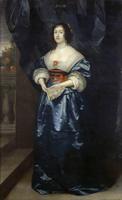
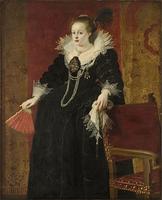
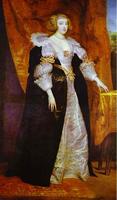
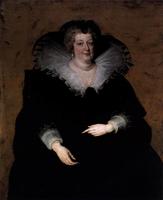
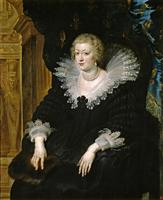
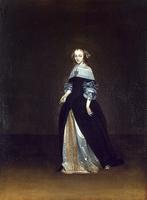
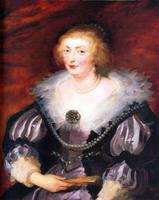
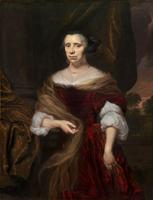
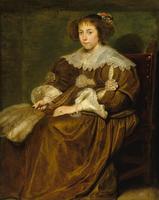
Expert Analysis: Portrait of Marguerite of Lorraine, Duchess of Orleans by Anthony van Dyck
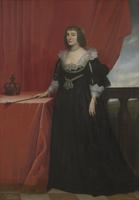
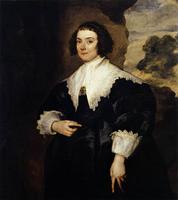
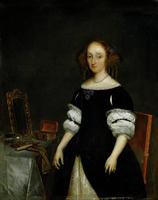
As a Baroque portrait, this work exemplifies the period’s emphasis on aristocratic grandeur, psychological presence, and dynamic elegance. Anthony van Dyck, a master of the Baroque portrait, here captures Marguerite of Lorraine with the refined poise and silken opulence that defined his mature court style. The significance lies in van Dyck’s ability to translate the sitter’s status into a convincing, living presence—a hallmark of Baroque portraiture that shifted from stiff formality to naturalistic, yet idealized, character studies. The painting’s genre (portrait) within the Baroque period is notable for how it merges ceremonial dignity with intimate humanity, reinforcing the Duchess’s noble identity while inviting the viewer into a moment of contemplative stillness. Van Dyck’s handling of textures and light—central to Baroque visual drama—would have elevated this work as a definitive example of aristocratic self-fashioning, cementing his reputation as one of the era’s most influential portraitists.