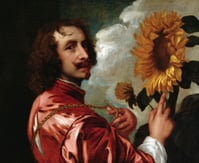
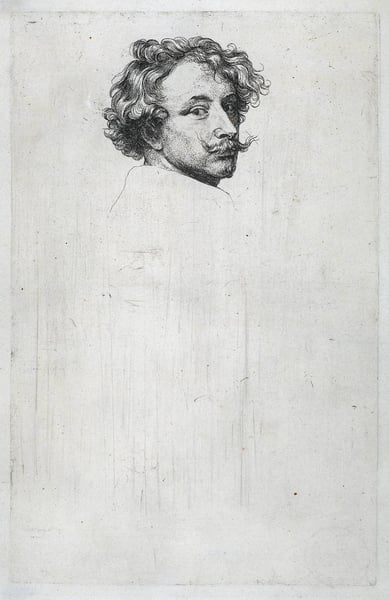
Analisi esperta di Self portrait di Anthony van Dyck
Stile: Baroque · Genere: sketch and study, tronie
This self-portrait by Anthony van Dyck is a masterful fusion of two distinct Baroque traditions: the formal self-portrait and the tronie—a Dutch and Flemish genre focusing on an exaggerated facial expression or type rather than a specific identity. As a sketch and study, it reveals the artist’s working process, offering a rare glimpse into his exploration of character and emotion.
Significance within the Baroque style: The painting exemplifies the Baroque fascination with immediacy and psychological presence. Van Dyck uses rapid, loose brushwork (typical of a study) to capture a fleeting, almost theatrical expression—likely a “self-tronie” where he adopts a role or mood. The strong chiaroscuro and dramatic lighting pull the viewer into an intimate encounter, characteristic of van Dyck’s ability to convey aristocratic elegance even in a casual sketch. The work is significant for demonstrating how van Dyck, as court painter to Charles I, could shift from polished official portraits to this raw, exploratory mode, highlighting his virtuosity.
Significance within the tronie genre: Tronies were often made as studies of character types (e.g., “the laughing man,” “the old soldier”). By making a self-portrait tronie, van Dyck elevates the genre: he becomes both subject and object, blurring the line between artist, model, and character. This contributes to the Baroque interest in metamorphosis and performance. The casual treatment—facial hair slightly unkempt, gaze averted—contrasts with the more idealized self-images of his contemporaries (e.g., Rembrandt’s self-tronies). Van Dyck’s version is notable for its grace and psychological subtlety, foreshadowing his later influence on Sir Joshua Reynolds and the Grand Manner.
In short, this work is significant as a hybrid masterpiece: a Baroque study that uses the tronie format to explore the artist’s own persona with spontaneity and theatricality, while showcasing van Dyck’s unparalleled skill in capturing both likeness and mood.
Visivamente simili
20 opere con composizione e palette affini
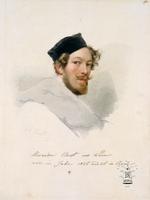
Self-portrait
Alexander Clarot
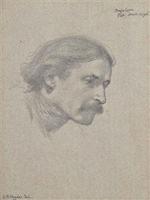
Orazio Cervi
Edward Robert Hughes
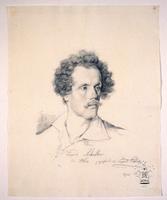
Portrait of Eduard Schaller from Vienna
Leopold Pollak
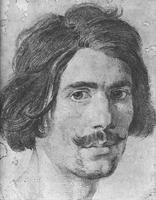
Portrait of a Man with a Moustache (Supposed Self Portrait)
Gian Lorenzo Bernini
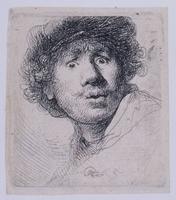
Self-portrait
Rembrandt
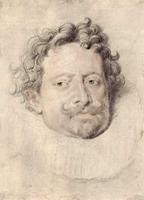
Portrait of Don Diego Messina
Peter Paul Rubens
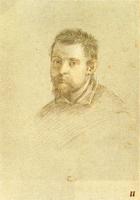
Portrait of Annibale Carracci
Annibale Carracci
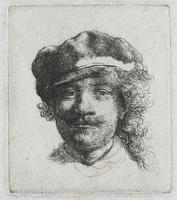
Self-portrait wearing a soft cap full face, head only
Rembrandt
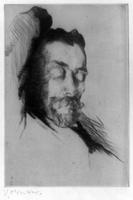
Drypoint portrait of American painter Theodore Robinson
Julian Alden Weir
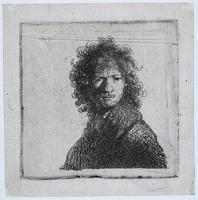
Self-portrait, Frowning
Rembrandt
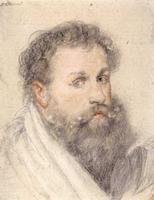
Portrait of a man
Peter Paul Rubens
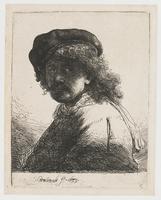
Self-portrait in a cap and scarf with the face dark bust
Rembrandt
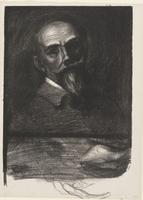
Steinlen de Face Tete Inclinee
Theophile Steinlen
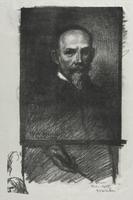
Steinlen de Face Tete Droite
Theophile Steinlen
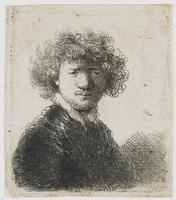
Bust of an old man with a flowing beard, the head bowed forward, the left shoulder unshaded
Rembrandt
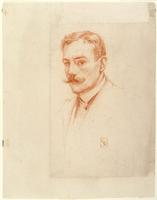
Self portrait
Rupert Bunny
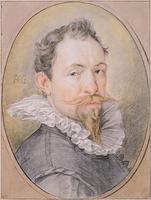
Self Portrait
Hendrick Goltzius
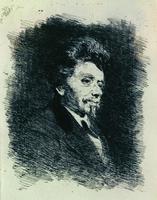
Portrait of P. Schindler
Ilya Repin
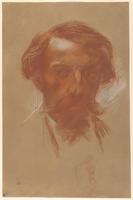
Self-portrait
Jean-Baptiste Carpeaux
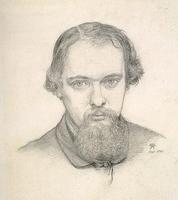
Self-Portrait
Dante Gabriel Rossetti