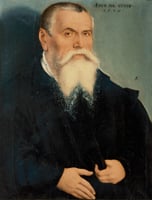
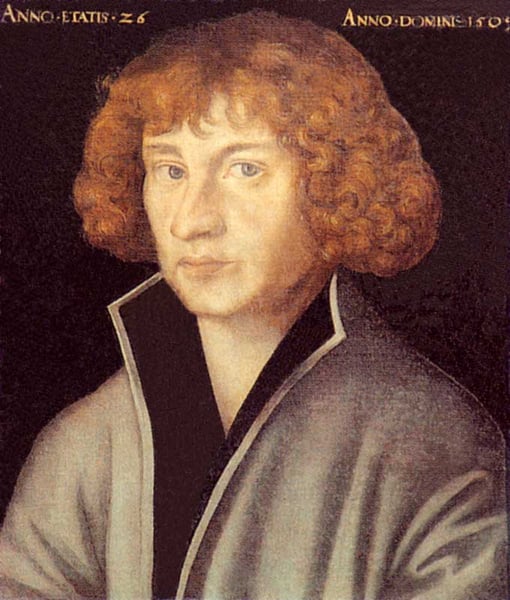
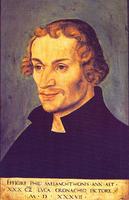
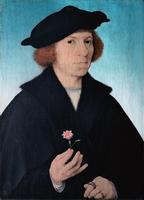
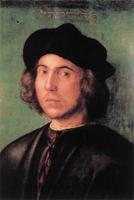
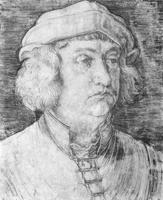
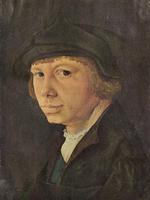
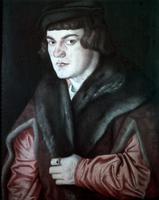
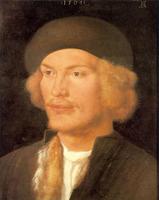
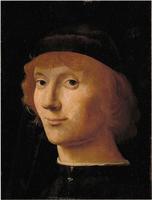
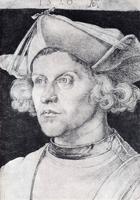
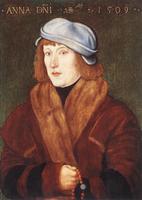
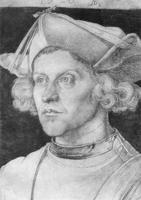
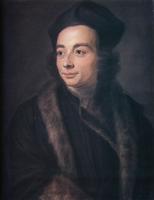
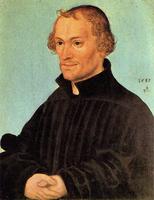
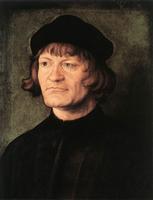
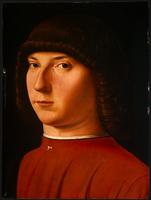
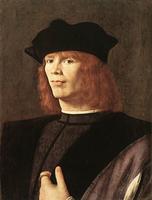
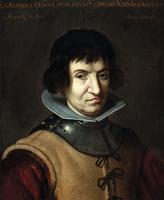
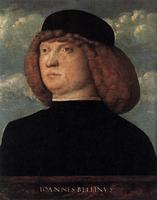
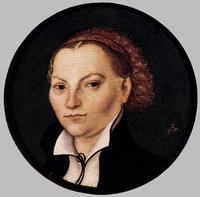
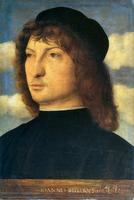
This portrait by Lucas Cranach the Elder is a quintessential example of Northern Renaissance portraiture, demonstrating the period’s emphasis on precise detail, naturalistic representation, and the sitter’s intellectual or spiritual character. As a work by one of the foremost German painters of the early 16th century, its significance lies in how Cranach masterfully combines the Northern tradition of meticulous surface rendering with a humanist sensitivity to individual identity—hallmarks of the Northern Renaissance style.
The genre of portraiture during this era often served to document and elevate key figures of the Reformation and humanist circles. Here, the depiction of Georg Spalatin—though we are given only his name—immediately situates the work within the broader cultural and religious currents of the time. Cranach’s ability to convey both the sitter’s status and inner life through careful modulation of line, texture, and composition makes this painting a notable example of how Northern Renaissance artists transformed the portrait into a vehicle for psychological depth and historical memory. The artwork thus stands as a significant document of the period’s artistic and intellectual achievements.