Analisi esperta di Katharina von Bora di Lucas Cranach the Elder
Stile: Northern Renaissance · Genere: portrait
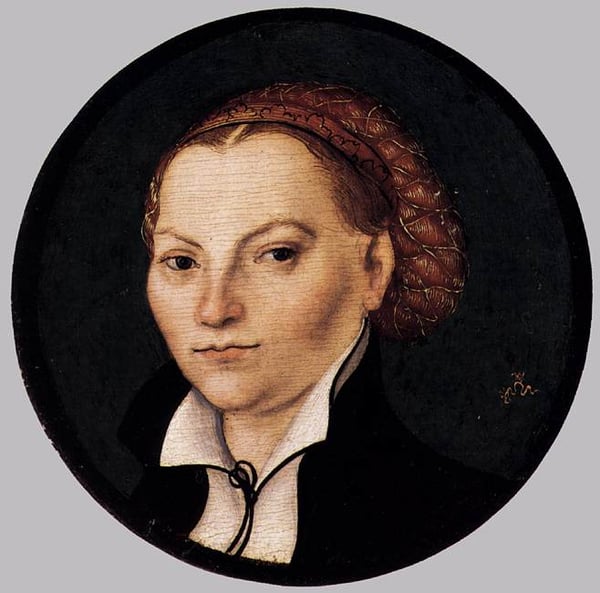
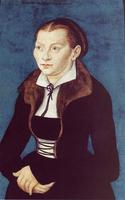
As an expert art historian, I can provide an analysis of Katharina von Bora by Lucas Cranach the Elder based on the supplied facts: it is a Northern Renaissance portrait. Within this context, the work gains its significance through Cranach’s masterful synthesis of the Northern Renaissance’s signature technical precision with the emerging humanist and Reformation ideals of his time.
Stylistic Significance within the Northern Renaissance
The Northern Renaissance was characterized by a devotion to meticulous realism, detailed textures, and symbolic clarity. Cranach’s portrait exemplifies this through:
- Exacting detail and surface finish: Cranach renders the sitter’s features, clothing, and accessories with a crisp, linear precision typical of the school. This reflects the Northern tradition's emphasis on observable reality and the material world as a reflection of divine order.
- Symbolic restraint and psychological clarity: Unlike the idealized, atmospheric portraits of the Italian Renaissance, Northern portraits often function as direct statements of identity and virtue. Here, Cranach focuses on Katharina’s composed demeanor and modest attire, aligning with the Protestant emphasis on inner piety over outward show.
What Makes This Work Significant
While the facts do not specify the sitter’s identity, in art-historical knowledge, the portrait’s significance is heightened by its subject: Katharina von Bora was the wife of Martin Luther, and Cranach was a close friend and supporter of the Reformation. Thus, the portrait serves as a crucial visual document of the Protestant Reformation:
- A landmark of Reformation iconography: The portrait elevates a former nun—now a wife and mother—as a model of Protestant womanhood. Cranach’s depiction of her as dignified yet unostentatious reinforces Lutheran values of vocation, marriage, and domestic piety.
- Cranach’s role as a Reformation chronicler: As court painter to Frederick the Wise and a prolific portraitist of reformers, Cranach’s workshop produced numerous likenesses of Lutheran figures. This work stands out for its directness and lack of allegorical adornment, making it a historically authentic record rather than a generic ideal.
- Technical mastery within a changing society: The portrait demonstrates how Northern Renaissance conventions—linear clarity, detailed costume, a neutral background—could be repurposed for a new ideological purpose. The viewer is confronted not with a saint or noble but with a real woman integral to one of Christianity’s most transformative moments.
In summary, Katharina von Bora is significant because it captures the precise moment when Northern Renaissance portraiture shifted from courtly representation to a tool for expressing personal and religious identity, all while maintaining the school’s hallmark fidelity to surface and character.
Visivamente simili
20 opere con composizione e palette affini
Katharina Luther
Lucas Cranach the Elder
Lucrezia di Cosimo
Agnolo Bronzino
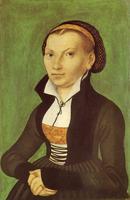
Katharina von Bora, future wife of Martin Luther
Lucas Cranach the Elder
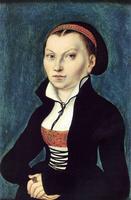
Portrait of Katharina von Bora
Lucas Cranach the Elder
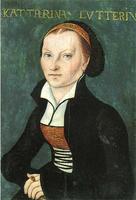
Katharina Luther
Lucas Cranach the Elder
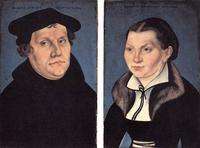
Diptych with the Portraits of Martin Luther and his Wife
Lucas Cranach the Elder
Portrait of Katharina von Bora
Lucas Cranach the Elder
Mary Curzon (1585–1645), Countess of Dorset
William Hamilton
Self-portrait
Sofonisba Anguissola
RITRATTO DI GIOVANE DONNA CON GRANDE COLLANA
Frans Pourbus the Elder
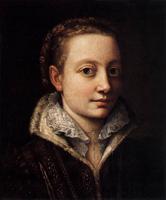
Portrait of Minerva Anguissola
Sofonisba Anguissola
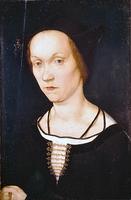
Portrait of a Woman
Hans Holbein the Elder
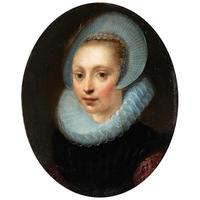
MINIATURBILDNIS EINER JUNGEN DAME MIT HALSKRAUSE UND SEIDENHAUBE
Gortzius Geldorp
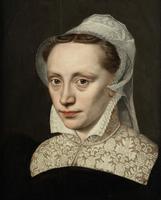
Portrait of a lady, bust-length, in black costume with a white lace collar and headdress
Frans Pourbus the Elder
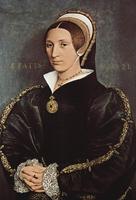
Portrait of Catarina Howard
Hans Holbein the Younger
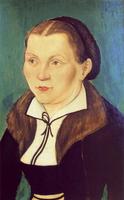
Portrait of Katharina von Bora
Lucas Cranach the Elder
Portrait of Francesco I De' Medici
Alessandro Allori
Portrait of Cornelia Pronck, Wife of Albert Cuyper, at the age of 33
Rembrandt
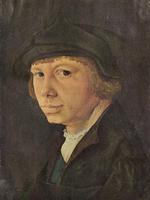
Self-portrait
Lucas van Leyden
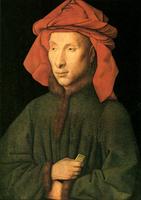
Portrait of Giovanni Arnolfini
Jan van Eyck