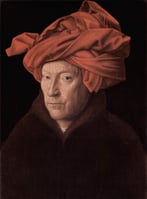
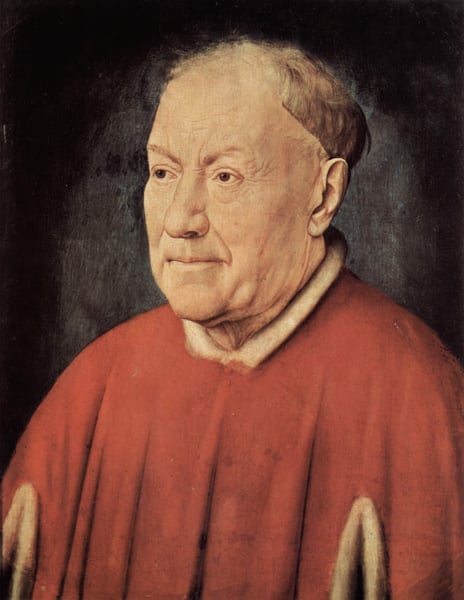
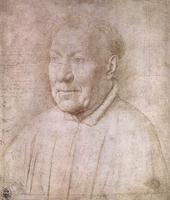
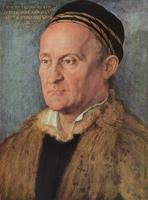
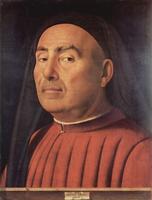
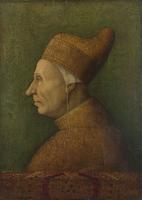
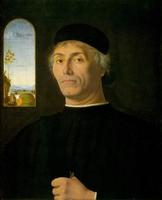
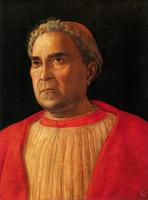
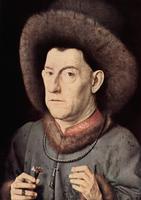
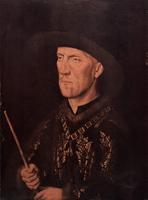
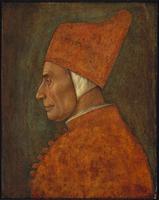
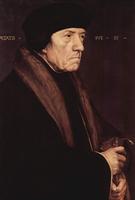
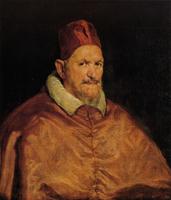
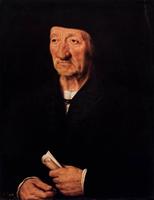
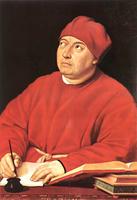
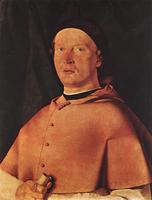
This portrait by Jan van Eyck exemplifies the core achievements of the Northern Renaissance style. As a work in the portrait genre, its significance lies in van Eyck’s revolutionary use of oil paint to achieve an unprecedented level of meticulous realism. The surface captures the nuanced texture of skin, the weight of luxurious fabric, and the subtle play of light with microscopic precision. This technical mastery was a hallmark of the Northern Renaissance, shifting focus from idealized forms to the direct observation of individual character. The portrait’s importance is rooted in how it uses these innovations to convey the sitter’s psychological presence, making it a landmark in the development of Western portraiture.