Expert Analysis of "Cows Returning from the Mountainside" by Théodore Rousseau
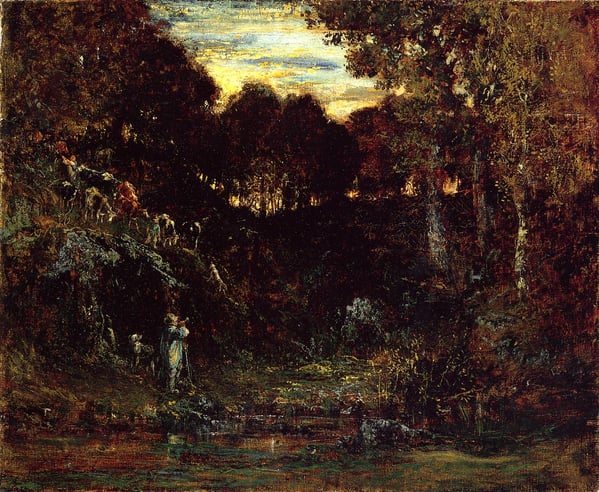
This painting stands as a quintessential example of the Realist movement’s embrace of everyday rural life. Rousseau, a leading figure of the Barbizon school, rejected the idealized, heroic landscapes of Romanticism in favor of unvarnished, direct observation of nature.
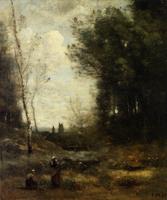
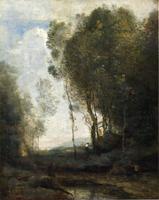
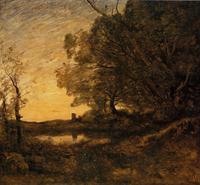
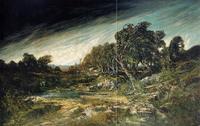
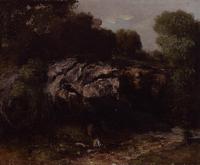
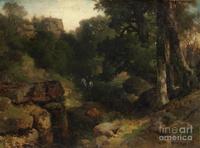
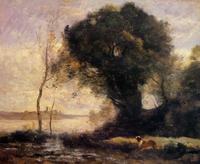
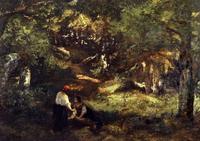
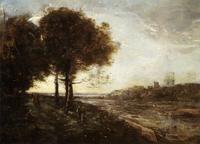
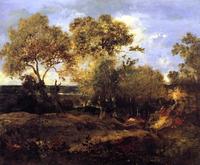
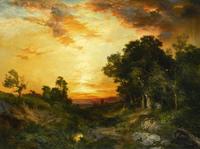
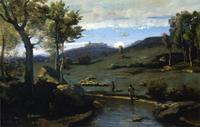
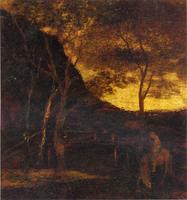
In Cows Returning from the Mountainside, the artist focuses on a humble, transient moment—farm animals being driven home at twilight. There is no dramatic narrative or allegory; instead, the significance lies in the honest rendering of light, atmosphere, and the textured, rough terrain. Rousseau’s loose yet deliberate brushwork captures the weight of the cows and the soft, fading glow of the sky, elevating a simple pastoral scene to a contemplative study of nature’s quiet rhythms.
This work’s importance within the Realist genre is its assertion that the ordinary—the farmer’s labor, the animals’ daily trek—is worthy of serious artistic attention. It paved the way for later plein-air painting and the Impressionists’ fascination with changing light. Here, Rousseau transforms a mundane return home into a profound meditation on the enduring, unsentimental beauty of the natural world.